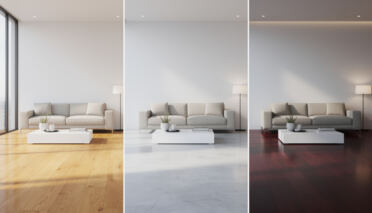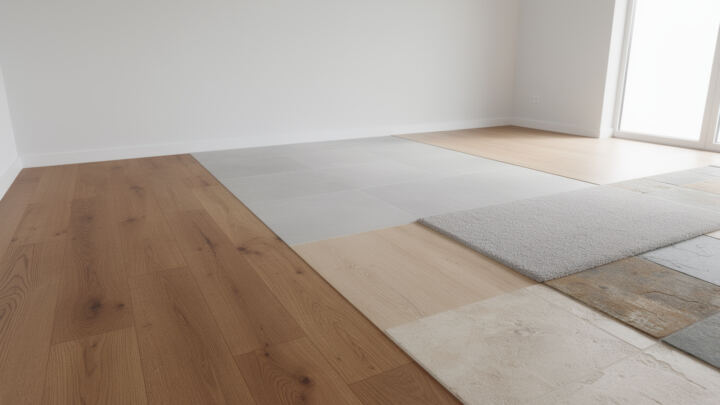
Floors are one of those home decisions that feel weirdly permanent. You can repaint a wall in a weekend, swap out light fixtures when you get bored, even change furniture on a whim. But flooring types? Once they’re in, they shape how your home sounds, feels, cleans, and ages—every single day. That’s why picking between hardwood flooring, laminate flooring, vinyl flooring, tile flooring, and carpet flooring can get overwhelming fast. A sample board looks great under showroom lighting, but what happens when your dog tears through the hallway, your kid drops a cup of juice, or winter humidity dries the place out?
The good news is that most “mystery” around flooring materials comes down to a few basics: how each product is built (layers matter), how it handles moisture and scratches, and what floor installation realistically looks like in your schedule and budget. If you think like a practical designer—matching the floor to the room’s real-life chaos—you’ll avoid the classic regret of choosing a pretty surface that can’t keep up. And yes, there are ways to get the look you want without signing up for constant flooring maintenance or surprise repairs.
In brief
- 🧭 Choose flooring types by room conditions: moisture, traffic, sunlight, and noise.
- 🌳 Hardwood flooring can last for decades (even centuries) with refinishing, but it hates water.
- 🧩 Engineered wood keeps the real-wood vibe while handling humidity and concrete better.
- 🛡️ Laminate flooring is a scratch-resistant workhorse, but it can swell if water gets into its core.
- 💧 Vinyl flooring (LVP/LVT and sheet) is the most “put-it-anywhere” option thanks to waterproof builds.
- 🧼 Tile flooring is timeless and wet-area friendly, yet grout and hardness change the day-to-day experience.
- 🧸 Carpet flooring wins on comfort and acoustics; carpet tiles add DIY flexibility and easy replacement.
Understanding flooring types: how construction affects daily life
If you only remember one thing about flooring materials, make it this: the “top look” is just the visible part of a system. What’s underneath—the layers, the core, the finish, and how it connects—decides your real-life experience with flooring durability and flooring maintenance.
Let’s follow a simple storyline. Imagine Riley, a first-time homeowner, renovating a 1990s house with a damp-prone basement, a sunny living room, and a kitchen that sees constant spills. Riley loves the idea of continuous wood-look floors everywhere. That’s a vibe, sure—but the construction realities will decide whether that vibe lasts two months or twenty years.
Layered vs. solid: why cores matter more than most people think
Solid hardwood is exactly what it sounds like: one piece of wood through the full thickness. Engineered hardwood is a “real wood on top” product: a genuine wood veneer bonded to a stable core (often plywood or high-density fiberboard). Laminate is a photo-real image layer under a clear wear layer, also bonded to a rigid core. Vinyl plank and vinyl tile are synthetic layers, often with a rigid composite core in modern products.
Why does this matter? Because water and temperature changes attack the core first. A stable core resists warping; a water-sensitive core swells. That’s why the same “oak look” can behave totally differently depending on whether it’s hardwood flooring, laminate flooring, or vinyl flooring.
Floor installation basics that quietly control performance
Floor installation isn’t just “put boards down.” It’s acclimation, subfloor prep, and choosing an attachment method that matches the product. Solid hardwood is typically nailed or glued to a subfloor, which often pushes you toward professional installation. Engineered wood can be nailed, glued, or floated, and floating click systems make it more approachable for skilled DIYers.
Laminate is usually a floating floor over underlayment, which helps with sound and minor subfloor imperfections. Vinyl can be click-lock, glue-down, or loose-lay; sheet vinyl is rolled out and cut to fit, and bad cuts or trapped air can turn into bubbles that haunt you every day.
A quick comparison table you can actually use
| Flooring type | Best at ✅ | Watch out for ⚠️ | Typical cost range (materials, before install) |
|---|---|---|---|
| Hardwood flooring 🌳 | Refinishing, resale appeal, warmth | Moisture, dents, seasonal movement | $5–$25/sq ft |
| Engineered wood 🪵 | Stability on concrete, wide planks | Surface scratches, limited refinishes | Often similar to hardwood (varies by veneer/species) |
| Laminate flooring 🧩 | Scratch resistance, UV stability | Swelling if water penetrates core, “hollow” sound | $1–$10/sq ft (commonly $1.50–$3.50) |
| Vinyl flooring (LVP/LVT) 💧 | Waterproof installs, comfort, value | VOCs if low quality, plastic footprint | $1–$5/sq ft |
| Tile flooring 🧼 | Wet areas, heat compatibility, timeless looks | Grout upkeep, hardness, cracking/chipping risk | $0.50–$80+/sq ft |
| Carpet flooring 🧸 | Softness, sound absorption, warmth | Stains, allergens, shorter lifecycle in traffic zones | $4–$20+/sq ft |
Once you see floors as “systems,” the next step is picking the right system for your lifestyle—not just your Pinterest board.
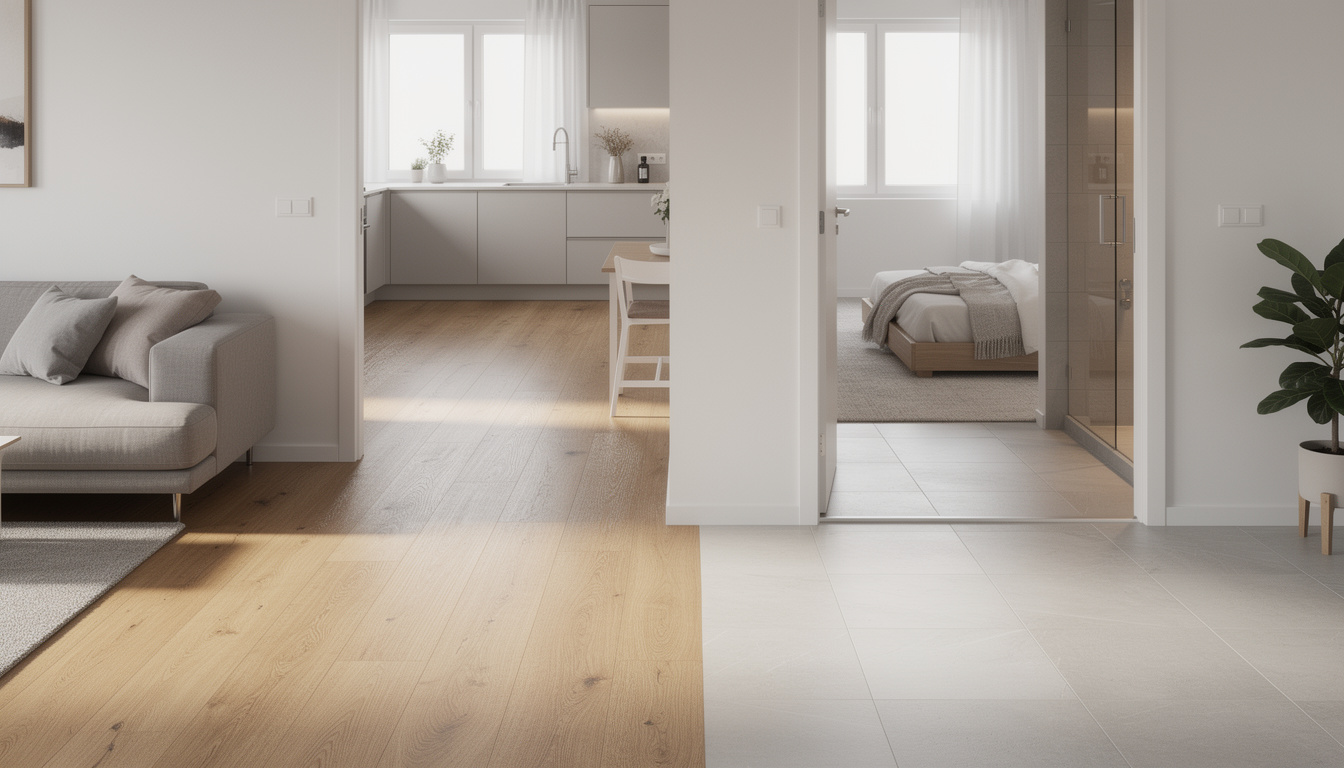
Hardwood flooring basics: solid vs engineered, species choices, and real-world upkeep
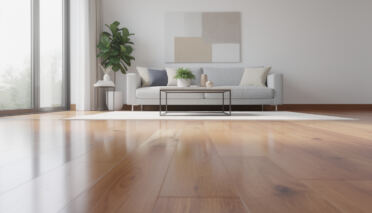
Hardwood flooring gets the poetic treatment for a reason. It looks rich without trying, it works with almost any style (minimal, farmhouse, mid-century, you name it), and it’s one of the few flooring materials that can be renewed again and again. But it’s also the floor that will call you out if you ignore moisture or treat it like it’s indestructible.
Solid hardwood: the classic that can outlive you (if you let it)
Solid wood planks are typically around 3/4-inch thick, sold as narrower strips or wider planks. You’ll see prefinished products everywhere now, but unfinished boards can still be site-finished if you want that seamless, custom look. The big superpower here is sanding and refinishing. When the finish is worn or scratched, you can remove the top layer and start fresh—over and over, for decades.
Riley’s neighbor across the street has original oak floors from the early 1900s. They’ve been refinished multiple times, and the patina looks intentional, not tired. That’s the upside of thickness and real wood all the way through.
Engineered hardwood: real wood on top, stability underneath
Engineered wood takes a different approach: a real wood veneer bonded to a stable core. This helps it handle humidity shifts better than solid boards, and it opens up more floor installation options—especially floating systems. If you love the wide-plank look, engineered products are often the safer bet because extra-wide solid planks can be more prone to movement.
For Riley’s basement family room (below grade), engineered is the realistic wood option—especially when the subfloor is concrete. It’s not “waterproof,” but it’s less likely to warp in normal humidity swings.
Species and style: what changes besides color
Choosing a species isn’t only about shade. It’s also about grain patterns and how easily scratches show. Oak remains popular in the U.S. because it balances character and practicality. Maple tends to be lighter and harder, but staining can be trickier. Walnut brings that deep, chocolate look that feels instantly upscale. Hickory is bold and busy (in a good way) if you want visual movement across the floor.
Then there are niche “wood-adjacent” options like bamboo (fast-growing and tough) and cork (bark-based composite pressed into planks). Cork is famously comfortable and quieter underfoot, which matters if you’re trying to calm down echoey spaces.
Maintenance reality check: the stuff people don’t post online
Hardwood’s biggest downside is moisture. Spills happen—no big deal if you wipe fast. The problem is water that sits, repeated humidity swings, or installing solid wood where dampness rises through concrete. Add heavy traffic, dogs, and gritty shoes, and you’ll see scuffs sooner.
Hardwood isn’t “high maintenance,” but it is “consistent maintenance.” Think felt pads, door mats, smart cleaning products, and occasional refinishing. Treat it like furniture-grade material that happens to be under your feet, and it rewards you.
Insight to keep: if you want a floor that can be reborn, hardwood is the champ—but only in rooms where water isn’t a frequent guest.
For a different kind of resilience (and a different price point), laminate is the next stop.
Laminate flooring explained: wear layers, scratch resistance, and where it fits best
Laminate flooring is basically the “busy household” solution that still tries to look stylish. It’s not trying to be precious. It’s trying to survive. And if your home includes kids, pets, rolling chairs, or that one friend who never takes their shoes off, laminate has a strong argument.
How laminate is built (and why it’s tougher than it looks)
Laminate is a layered product: a rigid fiberboard core, an image layer that can mimic wood or stone, and a transparent wear layer that takes the beating. Some products add a backing layer for sound control or comfort. That wear layer is the headline—because it’s what makes laminate so resistant to scratches and fading.
In Riley’s upstairs hallway, where sunlight hits the floor for hours and foot traffic is nonstop, laminate’s UV resistance and scratch tolerance are exactly the kind of “set it and forget it” vibe that reduces flooring maintenance stress.
Installation: why DIY is common (and where people mess it up)
Most laminate is installed as a floating floor with an underlayment, and boards typically click together. That’s why so many DIYers love it. The catch is prep: an uneven subfloor can create bounce, gaps, and that hollow sound people complain about.
Another common mistake is ignoring water management. Laminate isn’t waterproof. If water gets through seams and into the core, it can swell. That’s why laminate can be great in living rooms and bedrooms, but risky in bathrooms and laundry rooms unless you’re using a purpose-built water-resistant product and you’re strict about spill cleanup.
Feel underfoot and longevity: honest expectations
High-quality laminate has gotten visually impressive by the mid-2020s, with better textures and more realistic patterns. Still, it won’t feel identical to real wood because the surface is a hard, protective layer. It can also be slippery when wet—something to consider if you’ve got kids who treat socks like ice skates.
And when laminate is done, it’s done. You can’t sand and refinish it like hardwood flooring. Plan on replacement when wear or damage becomes obvious. Many households get a solid 10–20 years from good laminate, depending on traffic and product grade.
Where laminate shines
- 🏃 High-traffic spaces where scratches are a constant threat
- 🪑 Rooms with heavy furniture that gets moved around
- 🌞 Sunny areas where fading would annoy you
- 🧹 Homes that want quick, simple cleaning routines
Insight to keep: laminate is the “tough jacket” of flooring types—great protection, but not something you tailor and refinish forever.
Now let’s talk about the category that’s eaten half the market because it’s easy to live with: vinyl.
Vinyl flooring basics: LVP/LVT vs sheet vinyl, waterproof performance, and VOCs
If you’ve noticed vinyl flooring showing up everywhere, you’re not imagining it. Modern luxury vinyl plank (LVP) and luxury vinyl tile (LVT) took the idea of older vinyl and upgraded it with better visuals, stronger cores, and click-lock installs that make renovations faster. The best part? Many of these products are truly waterproof, which changes what’s possible in kitchens, basements, and bathrooms.
LVP vs LVT: it’s mostly shape and marketing
LVP is cut like planks to imitate wood. LVT is cut like tiles to imitate stone or ceramic looks. The construction is similar: a core, a design layer, and a wear layer. Brands name things differently to stand out, but functionally you’re shopping within the same family of flooring materials.
Rigid core vs flexible: why SPC and WPC keep coming up
Not all vinyl is created equal. Rigid-core products tend to feel better underfoot, bridge minor subfloor flaws more effectively, and handle real-world impacts with fewer dents. You’ll see two common rigid-core categories:
- 🪨 SPC (stone-polymer composite): typically more dent-resistant and stable
- 🌲 WPC (wood-polymer composite): often a bit softer and more forgiving underfoot
For Riley’s concrete basement slab, rigid-core vinyl is a stress-free choice: moisture resistance, fewer worries about minor slab imperfections, and no panic if a dehumidifier hose pops off.
Sheet vinyl: the old-school option that still makes sense
Sheet vinyl usually comes in wide rolls (often 6 or 12 feet) and is cut to fit. Because it can be installed as a continuous surface, it’s naturally waterproof—there are fewer seams for water to sneak through. That’s why sheet vinyl is still common in laundry rooms and budget-friendly kitchen remodels.
The trade-off is installation precision. A sloppy install can lead to bubbling, lifting edges, or trapped moisture underneath. So even though the material is affordable, you want a competent installer if you’re not confident.
Air quality and VOCs: the part you should actually ask about
Because vinyl is PVC-based, it can off-gas VOCs depending on quality and certifications. If you’re renovating in 2026, you’ll see more low-emission options than ever, but you still need to check product specs and look for low-VOC lines—especially for nurseries, bedrooms, or small apartments with limited ventilation.
Where vinyl belongs (hint: almost anywhere)
Vinyl’s superpower is versatility. It can mimic wood, stone, even more industrial looks, and it handles moisture in a way laminate can’t. That doesn’t mean it’s only a “utility” floor—high-end LVP can look genuinely upscale in living spaces.
Insight to keep: vinyl is the easiest path to “good looks + water safety,” as long as you choose a quality product and pay attention to emissions.
Next up: tile, where the design options are wild—and the physics are unforgiving.
Tile flooring fundamentals: ceramic, porcelain, stone, and grout realities
Tile flooring has a reputation for being “forever,” and in many ways that’s true. Tile can handle water, heat, and heavy use with minimal daily fuss. But tile also comes with a different kind of responsibility: grout lines, sealing (for some materials), and the fact that a hard surface feels hard after an hour of cooking dinner.
Tile types: the material changes everything
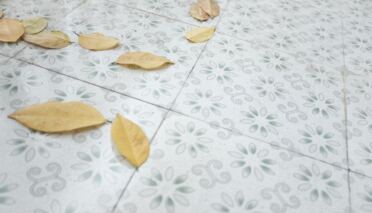
Ceramic tile is made from baked clay and can feel more natural and artisanal, especially in styles like Saltillo. Porcelain is technically ceramic too, but made from finer clay and fired hotter, which generally makes it denser and less absorbent—often a better choice for wet zones, with a price to match. Stone tile includes options like marble, granite, and sandstone, each with its own personality and quirks. Marble, for instance, is beautiful but can stain easily if you’re careless.
Cement tile has also stayed popular because patterns can be stunning. It’s typically more porous and needs sealing, but it can bring serious character to an entryway or powder room.
Glazed vs unglazed: style meets traction
Glazed tiles have a protective top layer that helps resist staining and water absorption, but chips can stand out because the body color may differ from the surface. Unglazed tiles run the same color through the material, which can hide small chips better and often provides more grip. In bathrooms, traction matters—nobody wants a beautiful floor that turns into a slip hazard.
If you’re comparing options, look up the Coefficient of Friction (CoF). It’s not glamorous, but it’s the difference between “spa-like bathroom” and “why is this floor trying to end me?”
Installation and upkeep: the grout is the real boss
Tile installation involves setting the tile, spacing it, grouting it, and sealing when needed. It’s doable DIY, but it’s time-consuming and mistakes are painfully visible. Uneven lippage, crooked lines, and inconsistent grout joints can ruin the effect even if the tile itself is gorgeous.
In day-to-day life, tile is easy to clean—but grout lines demand attention. Over time, grout can discolor and may need refreshing, and some stone surfaces need periodic resealing to prevent stains and moisture intrusion.
Where tile wins (and where it can annoy you)
Bathrooms, laundry rooms, and kitchens are obvious wins because tile doesn’t mind splashes. It also pairs nicely with underfloor heating, which solves the “cold tile shock” in winter. The annoyance factor shows up in living spaces if you want softness or quiet—tile reflects sound and feels unforgiving underfoot.
Insight to keep: tile is a design playground with serious durability, but grout and hardness are part of the deal—plan for them, and you’ll love it.
Finally, let’s talk comfort: carpet in its modern forms, especially modular tiles.
Carpet flooring today: carpet tiles vs broadloom, comfort, acoustics, and hygiene
Carpet flooring never really disappeared—it just got pickier about where it belongs. In an era where open-plan spaces can echo and hard floors dominate, carpet’s comfort and sound absorption feel freshly relevant. The trick is choosing between broadloom (classic wall-to-wall) and carpet tiles (modular squares that lean into flexibility).
Carpet tiles: the comeback kid with practical benefits
Carpet tiles are typically square pieces (often around 16–24 inches) that you arrange across the floor. Many modern versions are peel-and-stick, and some are designed to be installed over existing finished surfaces. That means faster floor installation and easier repairs: if one tile gets wrecked by a spilled smoothie or a paint project, you swap a tile, not the entire room.
Riley uses carpet tiles in a home office where a chair rolls all day and coffee accidents are basically scheduled. The modular approach keeps stress low: replace the worst sections and keep going.
Broadloom: maximum softness, maximum commitment
Broadloom carpet is the classic roll carpet stretched wall-to-wall. It’s cozy, warm, and feels safe for kids and older adults because it cushions slips. It also helps with insulation and keeps bedrooms feeling calm and quiet.
The downside is maintenance. Carpets can trap dust, pet dander, and allergens, and they’re more sensitive to moisture. Regular vacuuming is non-negotiable, and professional cleaning becomes part of the long-term plan. In high-traffic areas or on stairs, replacement cycles can be shorter—many households refresh those zones every several years depending on wear.
Where carpet makes the most sense
- 🛏️ Bedrooms where warm, soft comfort matters most
- 🎬 Home theaters and media rooms where acoustics are everything
- 👶 Playrooms where falls happen and sound needs damping
- 🧩 Offices with carpet tiles for easy replacement and creative patterns
Keeping carpet livable: simple habits that pay off
Carpet gets a bad rap mostly because people forget it’s a filter. If you maintain it, it’s fine. If you ignore it, it becomes a dust souvenir collection. Use good mats, vacuum regularly, spot-clean fast, and consider low-pile options if allergies are a concern.
Insight to keep: carpet is still the comfort king—carpet tiles just make it less risky and more adaptable to modern life.
What’s the biggest mistake people make when choosing flooring types?
Picking based on looks alone. The smarter move is matching flooring materials to moisture, traffic, sunlight, and how much flooring maintenance you’re actually willing to do. A gorgeous floor that can’t handle your daily routine turns into an expensive redo.
Is hardwood flooring worth the extra cost compared to laminate flooring or vinyl flooring?
If you want long-term value and the ability to refinish, yes. Hardwood flooring can last decades and boosts resale appeal. Laminate flooring and vinyl flooring can look fantastic for less money, but they’re usually replacement products rather than “refinish and renew” surfaces.
Which flooring types are safest for bathrooms and laundry rooms?
Tile flooring and waterproof vinyl flooring are the safest bets. They handle splashes and humidity without swelling. Laminate flooring is risky in these rooms unless it’s specifically designed for moisture and you’re strict about quick cleanup.
Do I need professional floor installation for every material?
Not always. Click-lock laminate and many LVP products are DIY-friendly if your subfloor is flat and you follow the instructions. Solid hardwood flooring, complex tile flooring patterns, and sheet vinyl usually benefit from pro installation because small mistakes become big, visible problems.
How do I balance flooring durability with comfort?
Mix materials by room. Use tougher surfaces (tile flooring or vinyl flooring) where water and mess are common, and use softer surfaces (carpet flooring) where comfort and quiet matter. In living spaces, engineered wood or higher-end LVP often hits the sweet spot for both durability and feel.