In brief
- 🏡 Hardwood flooring boosts increased home value by signaling quality and permanence to buyers.
- 🛡️ Solid boards and modern finishes deliver serious durability and a long lifespan when cared for well.
- ✨ The aesthetic appeal and timeless style fit everything from vintage bungalows to sleek new builds.
- 🧽 Daily life gets simpler thanks to easy maintenance (and fewer mystery smells trapped in fibers).
- 🌿 Many options are eco friendly, and hardwood can support improved air quality and be more allergy friendly than carpet.
- 🎨 The material’s versatility lets you stain, refinish, and re-style instead of ripping out and replacing.
Hardwood floors have a funny way of making a home feel “finished.” Not flashy-finished—more like quietly confident. The kind of upgrade that doesn’t need a sales pitch because you can hear it underfoot and see it in the way light spreads across a room. In cities where listings move fast and buyers scroll even faster, hardwood reads as a shortcut for “well cared for,” while in older neighborhoods it can feel like restoring a house’s original heartbeat. And it’s not just about looks: people install wood for durability, for easy maintenance, for being more allergy friendly, and for that sense that you’re buying something with a long lifespan rather than another disposable surface.
To keep it real, not every hardwood project is the same. The best outcomes depend on species, finish, subfloor prep, and—let’s be honest—how you actually live. To make the benefits concrete, we’ll follow a fictional homeowner, Maya, who’s renovating a 1990s house with two kids, a dog that thinks mud is a hobby, and a plan to sell in five to seven years. Each section tackles a different angle like a mini story: what holds up, what feels good day-to-day, what helps resale, what’s healthier, and what’s greener. By the end, you’ll have a practical feel for why hardwood still wins hearts (and offers) in 2026.
Hardwood floor durability and long lifespan: why it holds up in real life
Let’s start with the big promise people care about: durability. Hardwood is basically the opposite of “temporary.” A well-installed oak or maple floor can handle years of foot traffic, furniture shuffling, and the occasional dropped pan without looking like it’s giving up. That’s not magic—it’s material density, solid structure, and finishes that have evolved a lot. Modern aluminum-oxide finishes, for example, are designed to resist micro-scratches and wear patterns, which matters if your hallway is basically a daily parade route.
Maya’s first week after installation was the classic stress test: kids dragging backpacks, the dog skittering at corners, and a dining chair that never gets lifted properly. The floor didn’t stay “showroom perfect,” because nothing does. But it stayed presentable, and that’s the point. The wear showed up slowly and evenly rather than becoming obvious damage overnight.
Species, finish, and “life-proofing” choices that actually matter
Not all hardwood behaves the same. If you want fewer dents, the Janka hardness scale helps compare species. Hickory and maple tend to take abuse better than softer woods like pine. But hardness isn’t the only factor—grain pattern can hide scuffs, and stain color can either camouflage or spotlight little marks. Mid-tone stains often strike a practical balance: lighter hides dust, darker hides some scuffs, mid-tone hides a bit of both.
Finish choice is where many homeowners accidentally sabotage their own expectations. A high-gloss look is gorgeous for photos, but it’s also a spotlight for scratches. Satin or matte finishes are the “live your life” option. Maya picked a satin finish and immediately stopped obsessing over every tiny line in the surface.
Repairability: the underrated reason hardwood feels like a safe bet
One reason hardwood earns its long lifespan reputation is that it can often be repaired rather than replaced. For solid hardwood, sanding and refinishing can reset the look years later. Engineered hardwood can sometimes be refinished too, depending on the thickness of the wear layer. That ability to refresh instead of redo is a huge practical advantage when budgets and timelines get tight.
If you want a quick reality check, compare a deep scratch in carpet (you’re cutting and patching, and it still looks like a patch) versus a scratch in wood (you can spot-repair, blend, or refinish). Hardwood’s resilience isn’t only about resisting damage—it’s about bouncing back from it. That’s the kind of toughness that feels good to invest in.
Aesthetic appeal and timeless style: how hardwood changes the feel of a home
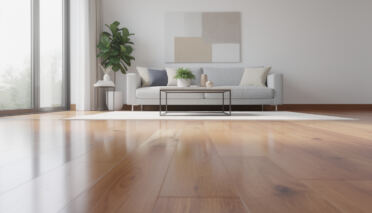
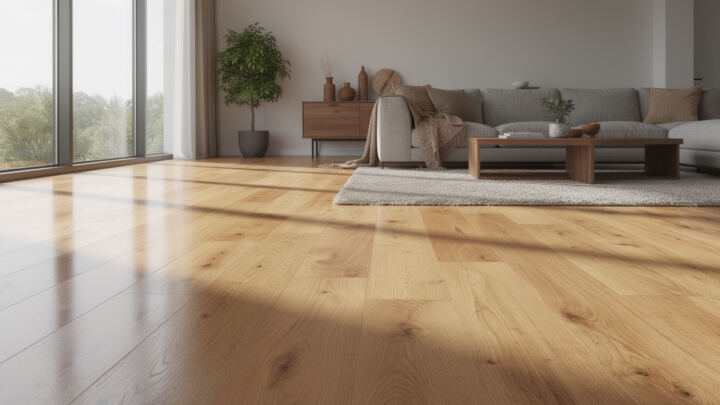
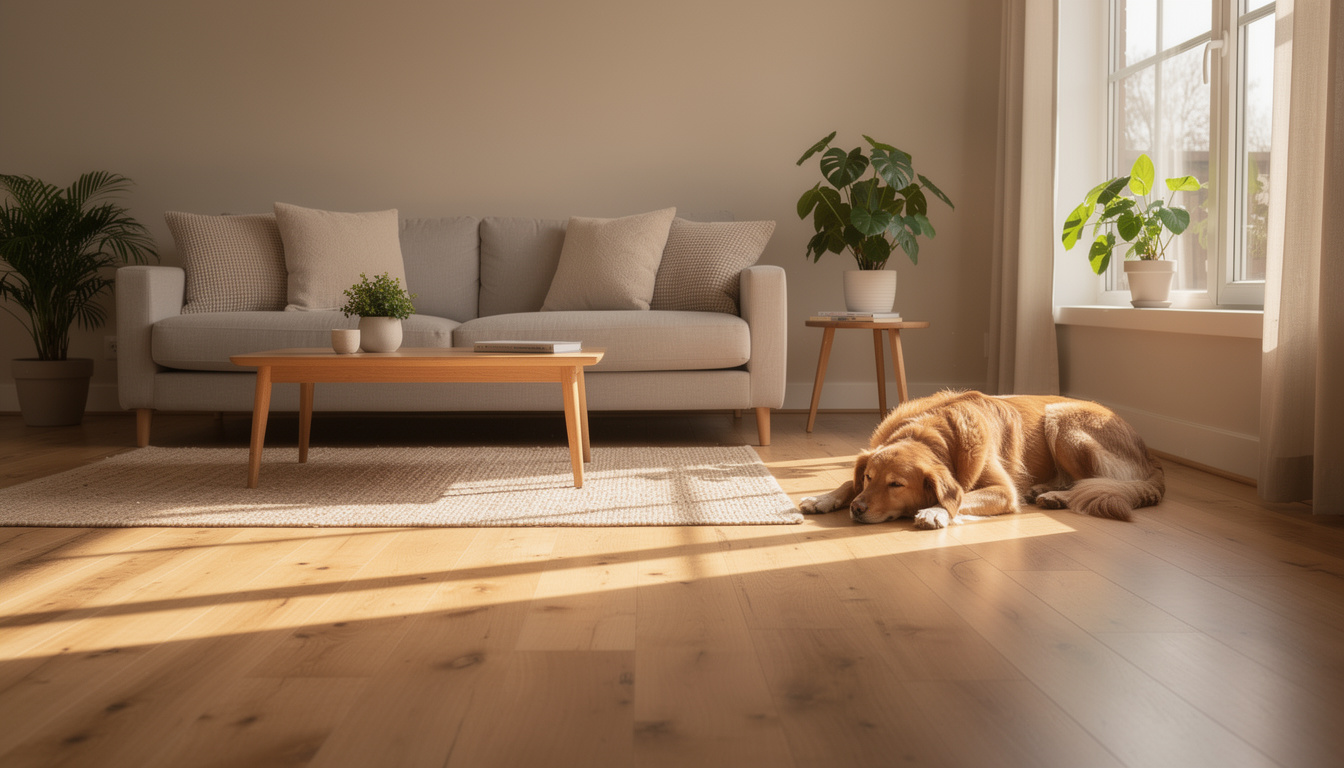
Hardwood has aesthetic appeal that’s hard to fake. It reflects light in a softer way than tile, feels more grounded than vinyl, and doesn’t visually “break up” a space the way busy patterns can. Even people who can’t name wood species tend to react to it instinctively: rooms feel warmer, ceilings feel higher, and the home looks more intentional. That’s why hardwood is associated with timeless style—it doesn’t scream a specific trend unless you push it into one.
Maya noticed the change on day one: the same furniture suddenly looked more expensive. Not because she bought new pieces, but because wood acts like a neutral, upscale backdrop. It’s similar to how a clean, tailored jacket makes the rest of an outfit look sharper. Hardwood does that for interiors.
Design versatility: from modern minimal to vintage charm
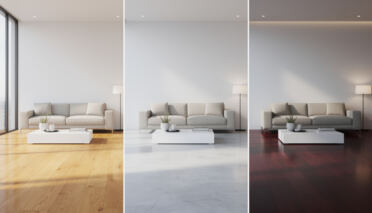
The versatility of hardwood is where it really shines. Wide planks can read modern and airy; narrow strips can feel traditional and detailed. A natural finish leans Scandinavian; a darker stain can feel dramatic and classic; a wire-brushed texture can bring in a rustic vibe without going full “farmhouse overload.”
If you’ve ever toured homes built in different decades, you’ve probably seen this in action. Craftsman houses with oak floors, mid-century homes with warm-toned wood, and contemporary builds with pale wide planks all feel coherent because the floor adapts to the architecture instead of fighting it.
Mixing with paint, rugs, and furniture: small choices that make it pop
Hardwood also plays nicely with color. Maya repainted her walls a soft off-white, then added a bold rug in the living room. The wood didn’t compete—it anchored. If you like switching decor seasonally, wood is your friend: it won’t lock you into one aesthetic the way a highly patterned tile might.
One practical tip: think about undertones. Some woods skew red, some golden, some cool and grayish. Match that undertone to your cabinets and trim so the whole space feels intentional, not accidental. When the undertones cooperate, hardwood looks “effortless,” and effortless is basically the definition of lasting design.
With the look locked in, the next question is what it’s like to actually live on it every day—because a gorgeous floor that’s annoying to maintain gets old fast.
Easy maintenance routines: keeping hardwood clean without losing your weekends
Hardwood’s reputation for easy maintenance is mostly deserved, as long as you follow a few simple rules. The daily reality is straightforward: sweep or vacuum with a hardwood-safe attachment, then damp-clean occasionally with a manufacturer-approved product. There’s no deep shampooing, no waiting for fibers to dry, and no mystery stains sinking into a sponge-like surface.
Maya’s weekday routine became almost boring (in a good way). A quick microfiber dust mop after dinner caught crumbs and pet hair. On Saturdays, she did a faster-than-expected pass with a lightly damp pad. The floor never felt grimy, and the house stopped having that “why does it smell like yesterday?” vibe that carpets can hold onto.
What to avoid (so you don’t accidentally shorten the floor’s lifespan)
Hardwood is tough, but it’s not invincible. The big enemies are standing water, harsh chemicals, and grit. Water seeps into seams and can cause cupping or swelling. Abrasive grit is basically sandpaper under shoes. And strong cleaners can dull finishes over time.
- 🧹 Place doormats to catch grit before it turns into micro-scratches.
- 💧 Wipe spills quickly—think “minutes,” not “later tonight.”
- 🪑 Add felt pads under chairs and heavy furniture to prevent dragging marks.
- 🧴 Use pH-neutral, hardwood-approved cleaners (skip vinegar mixtures unless the manufacturer explicitly allows it).
- 🐾 Keep pet nails trimmed; it’s the simplest anti-scratch habit you can adopt.
Realistic upkeep costs and refresh cycles
Maintenance is also about planning. Even the best floors will show wear in high-traffic zones eventually. The good news is that the refresh cycle can be predictable. Many homeowners can go years with just basic care, then choose a screen-and-recoat (for finished floors) to restore sheen without a full sand. For solid hardwood, a full refinish is a bigger project but it can dramatically extend the long lifespan and postpone replacement for decades.
In Maya’s case, the plan was simple: keep it clean, use rugs in the highest-traffic spots, and budget for a refresh before listing the house. That’s not “high maintenance.” That’s just smart ownership—like changing oil instead of replacing your car.
And speaking of listing: the next angle is money, because hardwood doesn’t just feel good—it often pays you back.
Increased home value: how hardwood floors influence buyers and appraisals
Hardwood isn’t the only renovation that can move the needle, but it’s one of the few that buyers notice immediately. In many markets, it’s shorthand for “quality,” which supports increased home value. Even when buyers can’t articulate why they prefer it, they often associate hardwood with better construction, easier cleaning, and a home that has been maintained rather than “covered up.”
Maya’s realtor was blunt: “People may not pay extra for every upgrade, but they absolutely discount for floors they hate.” That’s a key point. Hardwood can be a value add, but it can also be a value-protector—reducing objections during showings and making your home easier to market with fewer “we’ll have to replace that” comments.
Where hardwood helps most: first impressions and photo-driven shopping
Most buyers meet your home online first. Hardwood photographs well because it creates clean lines and natural texture. It makes spaces look brighter and more continuous, especially in open layouts. If you’ve ever compared two similar listings where one has warm wood and the other has worn carpet, you know which one gets the “save” and “share” clicks.
It also helps with flow. Matching hardwood through main living areas can make the home feel larger. Even if the square footage is the same, continuity can change perception—and perception is a big part of pricing psychology.
A practical comparison table for decision-making
Here’s a grounded way to think about it: not just “wood vs not wood,” but what you’re really buying—performance, repair options, and buyer appeal.
| Flooring type | Buyer perception 🧠 | Upkeep vibe 🧽 | Repair/refresh potential 🔧 |
|---|---|---|---|
| Solid hardwood | Premium, classic ✅ | Simple routine, watch water 💧 | High (refinish multiple times) ♻️ |
| Engineered hardwood | Upscale, modern ✅ | Simple routine, stable in humidity 🌦️ | Medium (depends on wear layer) 🛠️ |
| Carpet | Mixed; often seen as “replace later” ⚠️ | Stain battles, deep cleaning 🧴 | Low (patches show) 🧩 |
| LVP/vinyl plank | Practical; not always “premium” 🤷 | Very easy, water-friendly 🚿 | Low to medium (replace planks) 🔁 |
Maya chose engineered hardwood on the main level because her region swings humid in summer. That decision wasn’t about cutting corners; it was about stability and protecting resale. The floor delivered the “wood look and feel” buyers want, while reducing the risk of seasonal movement.
The bottom line insight: hardwood doesn’t just add beauty—it reduces friction in the selling process. And less friction often equals better offers.
Next up is the benefit people don’t always expect until they live with it: how hardwood can change the air and comfort of a home.
Allergy friendly and improved air quality: the health side of hardwood floors
Hardwood is often described as allergy friendly, and that’s not just marketing fluff. Smooth surfaces don’t trap dust, pollen, and pet dander the way carpet fibers do. That can support improved air quality, especially in homes where someone has allergies or mild asthma triggers. It’s not that hardwood eliminates allergens—it makes them easier to remove with regular cleaning.
Maya noticed it during spring. With carpet, the house always felt like it held onto pollen even after windows were closed. With hardwood, a quick sweep and a vacuum pass actually changed how the room felt. Less “stuff” lingering, fewer sneezes in the morning. If you’ve ever cleaned a carpeted room and still felt like the dust was somehow… still there, you’ll get it.
Why surface cleanliness affects how a home feels
Air quality is partly about what you can see (dust on a shelf) and partly about what you can’t (particles that get kicked up when you walk). Carpet can act like a reservoir. Every step can puff out tiny particles. Hardwood doesn’t hold onto particles as easily, so routine cleaning is more effective.
That matters for households with pets, too. Pet hair collects on the surface where it’s easy to gather instead of weaving into fibers. And odors? Hardwood tends to be less absorbent than carpet, so smells are less likely to linger—assuming spills are handled quickly.
Low-VOC finishes and smarter product choices
If health is a priority, pay attention to finishes, adhesives, and underlayments. Many modern products offer low-VOC or no-added-formaldehyde options, which can reduce off-gassing. In 2026, it’s also easier than ever to find certifications and transparent documentation from reputable manufacturers, so you’re not stuck guessing what’s in the materials.
Maya asked her installer for low-VOC finish options and made sure the space was ventilated during curing. The result: less “new floor smell,” and a home that felt comfortable faster.
Key insight to carry forward: hardwood supports healthier habits because it rewards simple cleaning and doesn’t hide what’s building up—what you see is what you can remove.
With health covered, the final angle is the one that makes hardwood feel like a broader lifestyle choice: sustainability, sourcing, and how wood can be surprisingly eco friendly when chosen well.
Eco friendly choices and responsible sourcing: making hardwood a smarter sustainability move
Calling hardwood eco friendly depends on how it’s sourced, manufactured, and shipped—but the potential is real. Wood is a renewable material when forests are managed responsibly. And because hardwood has a long lifespan, it can be a lower-waste option compared to surfaces that get replaced every 10–15 years. Longevity is sustainability’s quiet superpower: the greenest product is often the one you don’t have to replace.
Maya originally worried that choosing wood meant “cutting down forests for aesthetics.” Then she started looking into certified products. Options like FSC-certified hardwood help ensure the wood comes from responsibly managed forests. She also considered reclaimed wood for a feature area, which can deliver incredible character—nail holes, old growth grain, and that one-of-a-kind patina you just can’t manufacture convincingly.
Solid vs engineered: sustainability trade-offs that aren’t obvious
Engineered hardwood sometimes gets side-eyed, but it can be a smart sustainability play. It uses a thin layer of hardwood over a core, which can reduce the amount of slow-growing species required per square foot. It can also be more dimensionally stable, potentially reducing waste from warping or installation failures in humid climates. The best choice depends on your home conditions and how long you plan to stay.
Solid hardwood, on the other hand, can be refinished multiple times, stretching its usable life dramatically. If you’re in a stable interior climate and want a floor that can evolve for decades, solid wood can be the “buy once, maintain forever” option.
How to shop smarter without getting overwhelmed
You don’t need to become a forestry expert. Focus on a few practical signals:
- 🌲 Look for responsible sourcing certifications (like FSC) when possible.
- 🚚 Consider locally or regionally produced wood to reduce transport impact.
- 🧪 Ask about low-VOC finishes and adhesives for healthier indoor environments.
- ♻️ Explore reclaimed or salvaged wood if you want maximum character and minimal new extraction.
Maya ultimately chose a certified product with a neutral stain that worked with her home’s natural light. It delivered the timeless style she wanted and aligned with her desire to make a lower-waste renovation choice. The lasting takeaway: sustainability isn’t only about the material—it’s about durability, repairability, and choosing options that won’t be ripped out during the next trend cycle.
Is hardwood really allergy friendly compared to carpet?
Yes—hardwood is often more allergy friendly because it doesn’t trap dust, pollen, and pet dander in fibers. With regular sweeping/vacuuming and occasional damp cleaning, allergens are easier to remove, which can support improved air quality.
What’s the biggest mistake people make with hardwood floor maintenance?
Using too much water or the wrong cleaner. Standing moisture can cause swelling or cupping, and harsh chemicals can dull the finish. Stick to a microfiber mop, prompt spill cleanup, and a manufacturer-approved pH-neutral cleaner for easy maintenance.
Does hardwood always increase home value?
It often supports increased home value by improving buyer perception and reducing objections, especially in main living areas. The exact return depends on your market, the quality of installation, and whether the style fits the home, but hardwood commonly helps homes show better and sell faster.
Is engineered hardwood less durable than solid hardwood?
Not necessarily. Engineered hardwood can be very durable and more stable in humidity changes. The key factor is the thickness of the top wear layer and the quality of the finish. Solid hardwood typically offers more refinishing cycles over its long lifespan, but engineered can be a great real-world choice.
How do I make hardwood more eco friendly?
Choose responsibly sourced wood (e.g., FSC-certified), consider reclaimed options, ask for low-VOC finishes/adhesives, and prioritize a timeless style you won’t want to replace. The combination of durability, repairability, and smart sourcing is what makes hardwood truly eco friendly.