In brief
- 🏠 vinyl flooring now covers everything from budget roll goods to premium rigid-core planks, so you can match performance to each room.
- 💧 For waterproof flooring, focus on product construction (core + seams) instead of just the marketing label.
- 🪵 luxury vinyl plank nails the hardwood vibe without the humidity drama—great for busy homes and basements.
- 🧱 vinyl tiles (LVT) bring stone/tile looks with warmer underfoot comfort and easier cleaning than grout-heavy ceramic.
- 🧼 sheet vinyl is still the king of “easy wipe” rooms thanks to minimal seams and big-roll coverage.
- 🔧 Your results depend on floor installation basics: subfloor flatness, correct underlayment, and smart layout planning.
- 🧽 Simple floor maintenance habits (mats, felt pads, pH-neutral cleaner) keep wear layers looking new for years.
Vinyl has quietly become the workhorse of modern home renovation. Ten years ago, people picked it mostly because it was cheap. Today, they pick it because it can look shockingly close to oak, concrete, or marble, while shrugging off water and daily chaos. The category is also a lot bigger than most shoppers expect: you’ll see planks, tiles, rolls, rigid cores, cushioned backings, and a buffet of installation styles that range from “weekend DIY” to “call a pro, please.” That variety is awesome—until you’re staring at labels like LVP, LVT, WPC, SPC, loose-lay, glue-down, and peel-and-stick, wondering what actually matters.
This guide cuts through that noise by treating vinyl like what it really is: a set of flooring options built from layers (wear layer, design film, core, backing) that each change how the floor feels, lasts, and installs. Along the way, you’ll follow a simple storyline—Maya and Jordan renovating a 1990s townhouse—so the choices feel real instead of theoretical. If you want floors that survive kids, pets, renters, or just a clumsy friend with red wine, you’re in the right place. The trick is matching the right vinyl type to the right room, then installing it like you actually want it to last.
Vinyl Flooring Basics in 2026: How Construction Shapes Real-World Performance
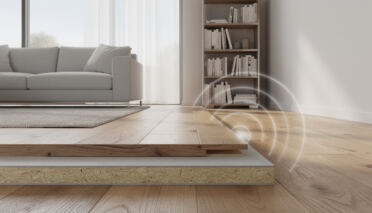
Before getting lost in brand names, it helps to understand what you’re buying. Most modern vinyl flooring is a layered system. The top is the wear layer (often urethane-based), which is basically your “shield” against scratches, stains, and dulling. Under that sits the design layer, a printed film that creates the wood grain, stone veining, or tile pattern. Then you’ve got the core (flexible or rigid) that determines stability, dent resistance, and how forgiving the product is over imperfect subfloors. Finally, the backing adds grip, cushion, or acoustic benefits depending on the type.
In Maya and Jordan’s townhouse, the first surprise was the subfloor. Their kitchen had a slightly wavy plywood patch from an old dishwasher leak. That matters because vinyl can “telegraph” imperfections—meaning bumps and dips show through, especially with thinner flexible products. Rigid-core vinyl can hide small flaws better, but it’s not a magic carpet. If you want the floor to look crisp (and stay quiet), you’re really buying two things: the planks/tiles/rolls and the prep work underneath.
Wear Layer, Thickness, and the “Looks Great at Year Five” Factor
The wear layer is where marketing and reality collide. For low-traffic bedrooms, a modest wear layer can be fine. For hallways, entryways, and open-plan living areas, you’ll want more protection—because grit from shoes is like sandpaper over time. Maya and Jordan learned this the hard way in their previous rental: the cheap vinyl in the entry looked tired fast because nobody used mats and the finish dulled where everyone turned the corner.
Thickness isn’t only about durability; it’s also about feel. Thicker vinyl (or vinyl with attached pad) tends to sound less “clicky” and feels nicer underfoot. But the bigger win is structural stability: the thicker and better-engineered the product, the less it’s going to feel like a temporary surface. If you’ve ever walked on a floor that felt slightly hollow, you know what I mean.
Waterproof vs Water-Resistant: The Unsexy Truth About Seams
People love the phrase waterproof flooring, but water management is usually about seams and edges. Many modern vinyl products are fully waterproof in the material itself. The weak point is installation details: gaps at the perimeter, poorly clicked joints, or unsealed transitions near a tub. In bathrooms, a “waterproof” plank with sloppy seams can still let water travel underneath and cause odor or subfloor damage. The smart move is pairing the right vinyl type with clean edge work, good transitions, and common sense—like wiping puddles instead of letting them sit overnight.
Next up, we’ll get specific about the most popular category people ask for when they want that warm wood look without the drama: luxury vinyl plank.
Luxury Vinyl Plank (LVP) Flooring Options: Wood Looks Without Wood Problems
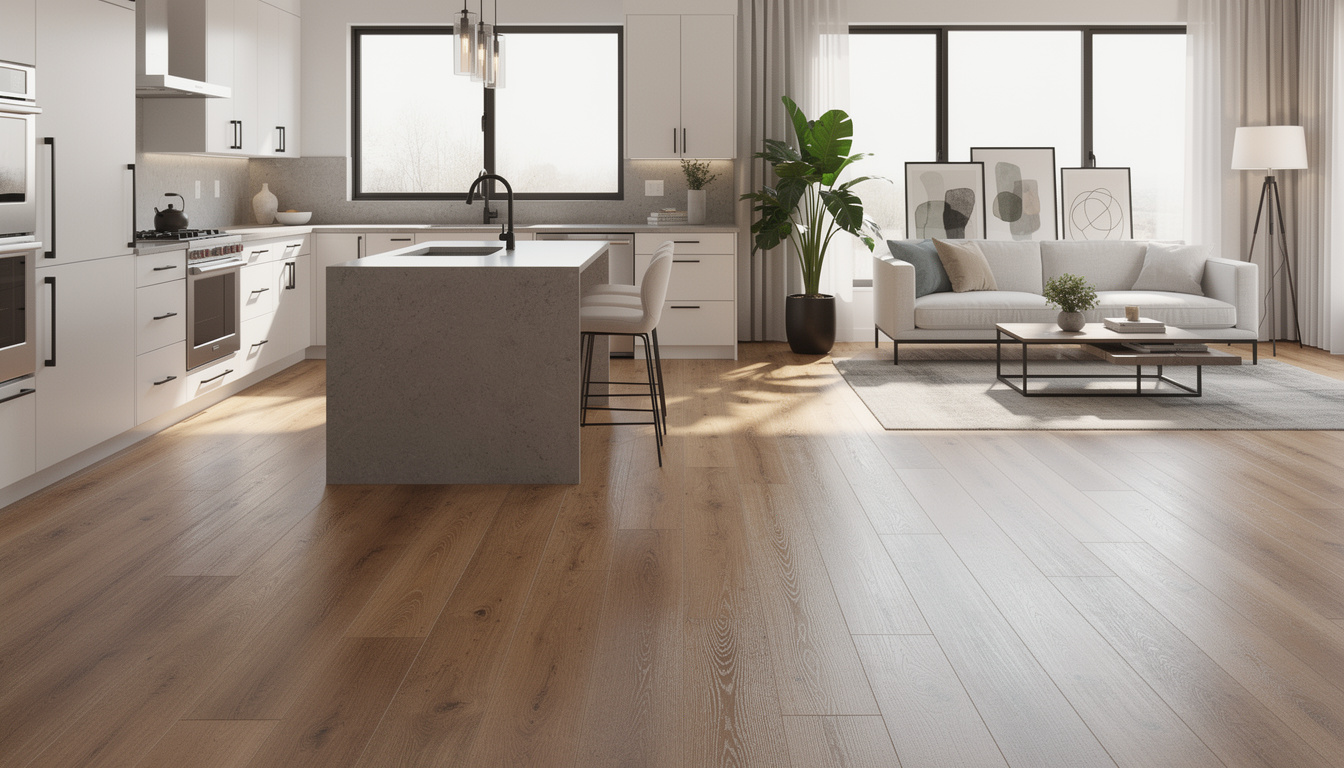
Luxury vinyl plank (LVP) is the “I want hardwood, but I also want to live my life” option. The planks are sized like wood boards and printed with wood visuals that can be surprisingly convincing, especially when paired with embossing that matches the grain. For Maya and Jordan, LVP was the top contender for the main floor because they wanted a continuous look from living room to kitchen—without worrying about spills, dog-water drips, or the occasional dropped pan.
What makes LVP click with homeowners is how forgiving it is. Real hardwood can swell with moisture, scratch easily, and demands a level of caution that doesn’t fit everyone’s routine. LVP, on the other hand, is built to handle day-to-day mess. If you’re planning a home renovation where the floor has to be both stylish and resilient, LVP usually lands in the sweet spot.
Where LVP Shines: Kitchens, Basements, and Busy Family Zones
LVP is a strong pick for kitchens because it handles splashes and routine cleaning without needing special rituals. In basements, it’s even more valuable. Basements can be damp, and traditional wood or laminate can get cranky down there. A high-quality LVP system gives you that “finished home” vibe without inviting moisture trouble.
Maya and Jordan also liked the design flexibility. With planks, you can run long lines to make a narrow space look bigger, or do patterns like herringbone if your product supports it. That kind of styling used to be reserved for pricey materials. Now it’s a weekend project—if you’re patient and your subfloor is flat.
Click-Lock vs Glue-Down LVP: Two Paths, Different Tradeoffs
Click-lock floating LVP is popular because it’s DIY-friendly and doesn’t require adhesives. It “floats” over the subfloor with an expansion gap around the edges. That makes it easier to replace later, and great for homeowners who might change styles in a few years.
Glue-down LVP is more permanent. It tends to feel a bit more solid underfoot and is often used in high-traffic or commercial settings. If you’ve got heavy furniture that never moves (think giant bookcases), glue-down reduces the chance of shifting. The catch is the floor installation is less forgiving—subfloor prep must be excellent, and removal is a bigger job.
LVP Reality Check: How It Fails (and How to Prevent It) 😬
Even durable flooring can look rough if it’s treated badly. The common culprits are grit (no doormat), heavy furniture dragged without pads, and sharp impacts. Sunlight can also fade some visuals over time, so sunny rooms may need basic window treatments or a UV-resistant product choice.
The best insight Maya and Jordan picked up: if you spend on anything, spend on the wear layer and a clean installation. Fancy colors don’t matter if the floor looks scratched in a year. Next, let’s talk about the tile-look sibling of LVP: vinyl tiles (LVT).
If you’re leaning more “spa bathroom” or “modern concrete entryway,” tile visuals might fit better than planks—and that’s where LVT takes over.
Vinyl Tiles (LVT) and Tile-Look Flooring Options: Style Without Grout Drama
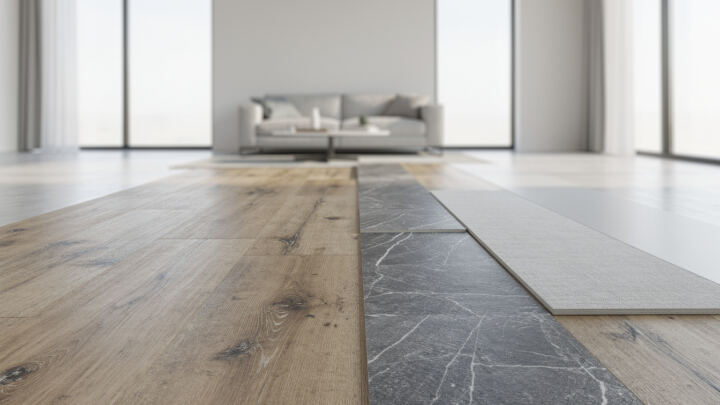
Vinyl tiles, usually called LVT (luxury vinyl tile), are built for people who love the look of stone, ceramic, or concrete—but don’t love cold surfaces and grout maintenance. LVT comes in common tile sizes (like 12×24) and can create very “architectural” rooms: sleek bathrooms, sharp laundry spaces, and entryways that feel designed instead of accidental.
Jordan was sold on a marble-look LVT for their small downstairs powder room. The room gets heavy use when friends visit, and it’s where wet umbrellas go to die. Traditional tile would look great, but grout lines can discolor over time, and the floor would be colder underfoot. LVT gave them the look with easier cleaning and a more forgiving feel.
Why LVT Often Feels Safer and More Comfortable Than Ceramic
Ceramic can be slippery when wet, especially in socks. LVT typically has a bit more traction and a softer “give,” which matters in bathrooms where puddles happen. It’s also quieter. In multi-story homes, that acoustic difference can reduce that constant clack-clack sound you get with hard tile.
One underrated advantage: LVT can deliver crisp tile visuals without grout, meaning you get the graphic pattern without the upkeep. If you love the grid look, some products offer grout-colored edges or optional grout-style accessories, but you’re not married to scrubbing lines with a toothbrush.
Floating vs Glue-Down LVT in Real Rooms
Floating LVT installs like click-lock planks. It’s popular for DIY and renovations where you’d rather not mess with adhesive. It also makes replacement simpler if you damage a tile or want to update a room later.
Glue-down LVT is common in commercial areas and busy homes because it lays flat and stays put. If you’re putting LVT in a place with rolling loads (like an office chair without a floor mat), glue-down can be the steadier choice. It’s also great when you want a super low profile to match adjacent floors.
A Quick Comparison Table for Common Vinyl Flooring Types
Here’s a practical snapshot Maya and Jordan used to narrow down their flooring options. It’s not about “best overall”—it’s about best for your room and lifestyle.
| Type | Look | Water Handling 💧 | Comfort 👣 | Best Fit 🏡 |
|---|---|---|---|---|
| LVP | Wood planks 🪵 | Excellent (depends on seams) ✅ | Good 🙂 | Living rooms, kitchens, basements |
| LVT | Stone/tile 🧱 | Excellent ✅ | Good 🙂 | Bathrooms, entryways, laundry rooms |
| Sheet vinyl | Many patterns 🎨 | Great with minimal seams 🌊 | Very good (often cushioned) 😌 | Large rooms, rentals, playrooms |
| Peel-and-stick | Tiles/planks 🧩 | Fair to good ⚠️ | Fair 🙂 | Small DIY refreshes, temporary upgrades |
| Glue-down vinyl | Planks/tiles 🧱🪵 | Excellent ✅ | Firm 🙂 | High-traffic homes, commercial spaces |
| Loose-lay | Planks/tiles 🧩 | Good ✅ | Soft 😌 | Bedrooms, quick-change rooms |
Now that tile looks are covered, the next question is usually budget and speed. That’s where roll goods and quick-stick products come into play—especially sheet vinyl.
Some people see “sheet” and think old-school. In reality, it’s still one of the smartest materials for certain rooms.
Sheet Vinyl, Peel-and-Stick, and Loose-Lay: Budget-Friendly Vinyl Flooring That Still Looks Good
Sheet vinyl is the classic format: big rolls (often wide enough to cover many rooms with few seams) that create a nearly continuous surface. If your goal is quick cleaning and water resistance in a practical space, sheet goods can be hard to beat. Maya’s sister, who runs a messy craft room with paint, glue, and glitter, swears by it. One wipe and the chaos disappears—at least visually.
The “modern” part is the printing and texturing. Today’s sheet visuals can mimic plank layouts or stone patterns with surprisingly believable shading. It’s not trying to fool a flooring inspector up close, but in real life—furniture on top, lighting changing through the day—it can look sharp.
Why Sheet Vinyl Is Still a Power Move for Big Rooms
Seams are where water sneaks through. Fewer seams means fewer opportunities for moisture to get underneath. That’s why sheet is popular in laundry rooms, mudrooms, and basements. It’s also comfortable—many products include a cushioned backing that makes standing easier, which matters if you’re folding laundry or working at a counter for a long stretch.
The main drawback is installation complexity. Cutting around doorways, toilets, and odd angles takes skill. If the room has a lot of corners, paying a pro can actually save money by avoiding waste and preventing gaps.
Peel-and-Stick Vinyl: The “Saturday Makeover” Option 🛠️
Peel-and-stick is exactly what it sounds like: remove the backing, stick it down. It’s popular with renters and anyone who wants a low-commitment refresh. The catch is prep. If you stick it onto a dusty, uneven, or slightly oily surface, corners can lift. And if you put it over textured floors, the pattern may telegraph through.
Used smartly, it’s great. Think: a tiny powder room, a closet, a laundry nook. Maya used peel-and-stick in a pantry once, and it turned a scuffed space into something clean and bright in an afternoon. The insight: treat it like a “light-duty” finish and you’ll be happy.
Loose-Lay Vinyl: Fast, Flexible, and Surprisingly Comfortable
Loose-lay vinyl is designed to stay in place through weight and a grippy backing, rather than clicks or glue. That makes it appealing for spaces where you want easy replacement—like a guest room that might become a nursery, or a home office where you’re not sure the layout will stay the same.
It can also be a quiet upgrade. The soft underfoot feel works well in bedrooms, and it’s forgiving for DIYers who hate fiddly click joints. If your lifestyle changes often, loose-lay is the “keep your options open” choice.
Practical Shopping Checklist for These Vinyl Flooring Options ✅
- 🧹 Subfloor condition: smooth and flat is non-negotiable for peel-and-stick; sheet needs it too, just in a different way.
- 💧 Moisture exposure: sheet vinyl is awesome where spills happen often; seal edges and transitions.
- 🪑 Furniture load: heavy pieces can dent softer goods; use pads and plan layouts.
- 🎯 Room size: big open areas favor sheet; small spaces are perfect for peel-and-stick experiments.
- 🔁 Replaceability: loose-lay wins if you want quick swaps later.
Choosing the format is half the battle. The other half is making sure the installation doesn’t sabotage the product, which brings us straight to floor installation tactics.
Floor Installation for Vinyl Flooring: Subfloors, Layout, and Methods That Prevent Regret
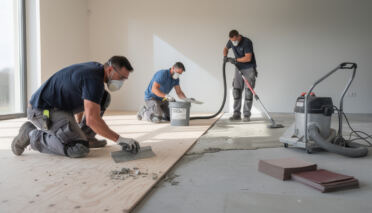
Most vinyl complaints aren’t really about the vinyl. They’re about the prep. A gorgeous plank installed over a bumpy subfloor can look cheap, sound hollow, and wear unevenly. Maya and Jordan budgeted time for prep after a contractor friend told them a blunt truth: “You’re not installing a floor—you’re installing a system.” He wasn’t being dramatic.
Whether you’re installing LVP, LVT, or sheet vinyl, the goal is the same: a clean, dry, flat base and an installation method that matches the room’s abuse level.
Subfloor Prep: The Step Everyone Tries to Skip (Don’t) 😅
Vinyl highlights imperfections, especially in bright light. If there’s a dip, you’ll feel it. If there’s a ridge, you’ll see it. The fix is usually straightforward: scrape off debris, patch low spots with leveling compound, and sand high seams. The floor should be flat enough that planks don’t “rock” when you step on them.
Concrete needs moisture awareness too. Even if vinyl itself can handle water, a damp slab can create problems underneath. Many projects call for a moisture test and the right underlayment or vapor barrier—especially in basements.
Layout Planning: Small Choices That Make Rooms Look Bigger
Layout sounds like aesthetics, but it’s also durability. Starting with a tiny sliver of plank along a wall looks awkward and increases the chance of edge damage. A better plan is to measure the room, dry-lay a row, and adjust so perimeter cuts are reasonable.
Direction matters. Running planks along the longest wall can make a space feel longer. In hallways, aligning planks with the path of travel looks natural. Maya and Jordan also matched plank direction across the living-kitchen area to avoid a “patchwork” vibe.
Choosing the Right Installation Method for the Job
Click-lock (floating) is the favorite for DIY because it’s clean and replaceable. But it needs expansion gaps and the correct underlayment (if any). Too-soft underlayment can make joints fail over time.
Glue-down is more permanent and stable, making it ideal for high-traffic zones and commercial settings. It’s also great for large spaces where a floating floor might feel too bouncy. The tradeoff is mess and difficulty of removal.
Peel-and-stick is fast, but adhesive strength varies. Rolling the floor after installation improves bond, and so does careful cleaning beforehand. Treat it like a precision job, not a slap-on hack.
Finishing Details: Transitions, Trim, and the “Pro Look”
Transitions aren’t just cosmetic. They protect edges, manage height differences, and reduce trip hazards. Baseboards or shoe molding hide expansion gaps on floating installations. In wet rooms, smart edge work helps keep water from traveling under the surface.
Get these details right and the floor looks intentional, not like a rushed weekend job. And once it’s down, the goal is keeping it looking that way—without turning cleaning into a hobby.
Floor Maintenance for Durable Flooring: Cleaning Habits That Extend Vinyl’s Life
Vinyl is popular partly because floor maintenance is simple. You don’t need wax, you don’t need refinishing, and you don’t need special potions. What you do need is consistency: grit control, gentle cleaners, and a few protective habits that prevent the kind of damage that can’t be “buffed out.”
Jordan’s rule is now posted by their entryway: “Shoes off or wipe feet.” It sounds petty until you see what tiny bits of sand can do to a wear layer over thousands of steps.
The Daily/Weekly Routine That Actually Works
Dry dust is the enemy because it turns into abrasion. A microfiber mop or soft broom keeps the surface from dulling. For weekly cleaning, a damp mop with a pH-neutral cleaner is plenty. The key word is damp—vinyl doesn’t need a flood to get clean, and over-wetting can push moisture into edges and transitions.
Spills should be wiped up quickly, especially anything with pigments (red wine, curry, hair dye). Most quality vinyl resists stains well, but letting things sit is just asking for trouble.
Scratch and Dent Prevention: The Boring Stuff That Saves Money 💸
- 🪑 Put felt pads under chairs and heavy furniture, and replace them when they get gritty.
- 🚪 Use doormats outside and inside entries to trap debris before it hits the wear layer.
- 🐶 Keep pet nails trimmed—vinyl is tough, not invincible.
- 🧯 Avoid harsh chemicals and abrasive scrubbers; they can haze the finish.
- 🛋️ Lift heavy items instead of dragging them (yes, even “just a little”).
Repair Reality: Plank Replacement Beats “Miracle Fixes”
If a plank is gouged, you typically replace it. That’s why it’s smart to buy extra material and store it. Maya and Jordan kept one unopened box in a closet, because matching a discontinued dye lot later is a pain.
For glue-down or sheet, repairs can be more technical, sometimes involving patching and careful seam work. If you suspect you’ll need frequent repairs (kids with scooters indoors, for example), a replaceable click-lock system can be a calmer choice.
With maintenance dialed in, the last piece is confidence while shopping—knowing what questions to ask so you don’t get upsold into the wrong product.
Is vinyl flooring really waterproof, or is that just marketing?
Many modern products qualify as waterproof flooring because the material and core don’t absorb water. The practical risk is usually at seams, edges, and transitions. A careful floor installation (tight joints, correct trims, smart transitions, quick spill cleanup) is what keeps water from sneaking underneath.
What’s the easiest vinyl flooring type for a DIY home renovation?
Peel-and-stick is the simplest for small, low-risk spaces, but it demands a very clean, smooth subfloor. For most DIYers doing entire rooms, click-lock luxury vinyl plank or click-lock vinyl tiles are the best balance of speed, durability, and replaceability.
Is sheet vinyl a bad idea if I want my home to look modern?
Not at all. Sheet vinyl has come a long way in print quality and can look surprisingly current, especially in laundry rooms, mudrooms, or basements. Its big advantage is minimal seams, which helps in wet or messy spaces. Just know it often benefits from professional installation in rooms with lots of corners.
How do I choose between luxury vinyl plank and vinyl tiles?
Pick luxury vinyl plank when you want a wood look across living areas, bedrooms, or open-plan spaces. Choose vinyl tiles (LVT) when you want stone/ceramic visuals for bathrooms, entryways, or laundry rooms—and you’d rather skip grout cleaning while keeping that tile style.
What’s the simplest floor maintenance routine for vinyl?
Sweep or dry-mop regularly, damp mop with a pH-neutral cleaner when needed, wipe spills fast, and protect the surface with doormats and felt pads. Those basics do more for durable flooring than any “miracle” product.