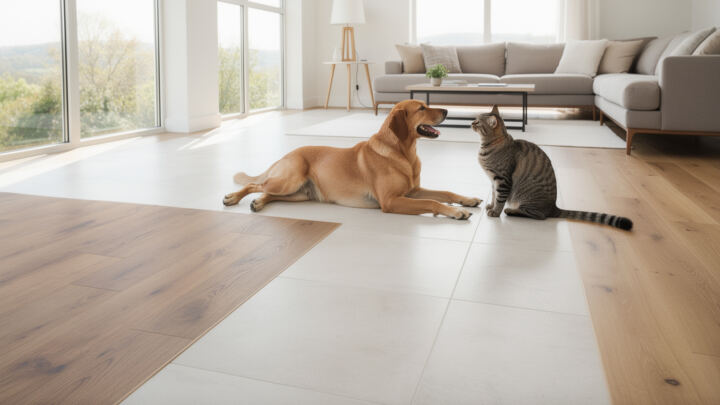
If you live with pets, you already know your floor is basically the “main character” of the house. It takes the daily beating: the click-click of nails during zoomies, the water bowl splash zone, muddy paw prints after a walk, and that one “oops” moment you swear happened in slow motion. The tricky part is that you don’t just want something tough—you want it to still look good when sunlight hits it, feel nice when you’re barefoot, and stay safe when your dog cuts a corner like it’s a racetrack. That’s why pet-friendly flooring is less about chasing a “perfect” material and more about building the right combo: scratch-resistant wear layers, waterproof flooring where it matters, a non-slip surface so joints aren’t stressed, and finishes that hide the reality of fur, drool, and life.
In 2026, the best options have gotten better at the stuff pet owners actually care about: realistic textures, quieter underfoot cores, easier repairs, and coatings that resist staining without making your home feel like a plastic box. To make this real, we’ll follow Mia—a busy remote worker with a senior lab mix, a high-energy rescue terrier, and a cat who treats hallways like a speedway. She wants durable flooring that’s easy to clean, doesn’t amplify noise during video calls, and won’t turn into a slip hazard when the water bowl gets bumped (again). Let’s get into what truly works for flooring for pets, and why.
En bref
- 🐾 Prioritize flooring durability: pick wear layers and ratings designed for real foot traffic and claws.
- 💧 Use waterproof flooring in “mess zones” (mudrooms, laundry areas, near bowls) to avoid swelling and odor issues.
- 🧽 Choose finishes that are easy to clean and don’t spotlight every hair—matte and textured is the cheat code.
- 🧲 Look for a non-slip surface to protect puppies learning traction and seniors protecting joints.
- 🧪 For accidents, enzymatic cleaners + quick action help keep floors stain-resistant and odor-free.
- 🎯 The sweet spot for many homes: high-rated laminate (AC4–AC5), quality engineered wood, and LVP in wet areas.
Pet-friendly flooring basics: what pet owners should test before buying
Before you even compare planks and colors, it helps to think like a pet—and like a cleaning routine. Mia learned this the hard way when she picked a glossy dark floor in her last apartment. It looked amazing… for about 48 hours. Then it became a museum exhibit of paw prints, micro-scratches, and floating fur tumbleweeds. The lesson: pet-friendly flooring isn’t just a product category; it’s a performance checklist.
Start with the “four enemies”: claws, water, traction, and maintenance. Claws cause scuffs and scratches, especially where pets turn sharply (hallways, around couches, near doors). Water shows up as drool, bowl spills, wet paws, and accidents. Traction is the safety factor—especially for big dogs launching off corners and older animals that can’t recover from slips as easily. Maintenance is the day-to-day reality: if it’s annoying to clean, it won’t stay clean.
Scratch resistance, wear layers, and why ratings matter
A common misconception is that thickness alone equals toughness. What actually matters is the surface protection—how well the top layer resists abrasion from grit and nails. For laminate, many manufacturers use an abrasion class scale; in practical home terms, AC4 or AC5 is where pet owners start breathing easier. These tiers are built for heavier traffic and do better against the constant micro-abrasion that pets bring inside.
Mia’s terrier drags in fine sand from the yard like it’s a hobby. That sand is basically sandpaper. The result: even a floor that’s “kind of” tough gets dulled fast if you don’t match your household to the right wear rating. A higher wear classification doesn’t make a floor invincible, but it dramatically slows down the visible aging.
Water resistance vs waterproof flooring (they’re not the same)
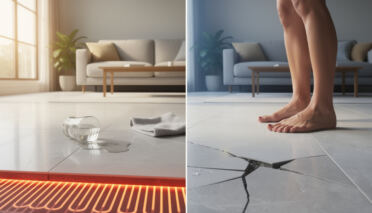
“Water-resistant” usually means it can handle small spills if you wipe them promptly. Waterproof flooring is designed to withstand standing moisture without swelling at seams or warping the core. If you have a mudroom, laundry area, or the infamous “water bowl splash radius,” waterproof matters. Mia placed her dog’s bowl on a mat, but the lab still manages to flood the area during enthusiastic drinking sessions. That’s where waterproof luxury vinyl plank (LVP) tends to shine.
Also think about the hidden water: damp paws and melted snow near entryways. Those areas act like slow-drip tests on your seams. Even great materials can fail if moisture repeatedly sneaks into joints.
Traction and comfort: your pets’ joints aren’t optional
A floor can be tough and still be a bad idea if it’s slippery. A non-slip surface often comes from embossing or texture that gives paws something to grip. This isn’t just for “old pets”—puppies and anxious dogs can develop confidence issues on slick floors, and cats can launch themselves into accidental splits that look funny but aren’t harmless.
Then there’s feel. Comfortable flooring matters if your dog flops down where you are, all day. Hard, cold surfaces can be fine, but many pet owners end up adding washable rugs for warmth and joint relief. The good news: you can plan for that and still keep style intact.
A quick reality-check table for pet-focused shopping
| What to test in-store | Why it matters for flooring for pets | What “good” looks like |
|---|---|---|
| 🧤 Texture feel | Helps with traction and hides wear | Embossed or light texture; not overly slick |
| 🔦 Sheen level under light | Gloss highlights hair and scratches | Matte or low-sheen finish |
| 💧 Seam tightness & core type | Reduces swelling risk around spills | Click systems that lock tight; waterproof flooring in wet zones |
| 🧽 Cleaning demo | Predicts real-life maintenance | Easy to clean with pH-neutral cleaner and damp mop |
| 🐾 Sound under taps | Nails can echo and stress everyone out | Underlayment/cushioning; softer underfoot options |
Once you’ve got the basics locked, choosing materials gets a lot less overwhelming—because you’re shopping for performance, not hype.
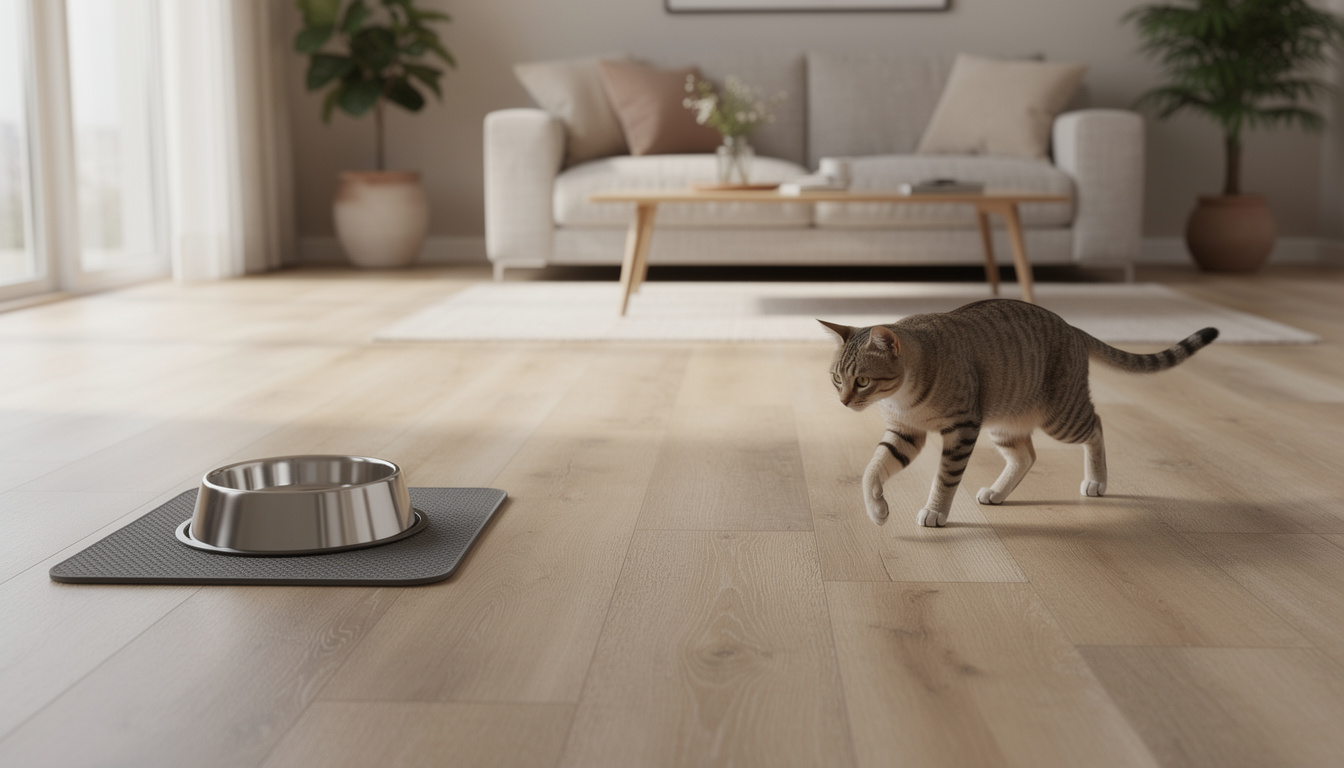
Durable flooring choices that actually survive claws: laminate, engineered wood, and vinyl plank
Let’s talk materials the way pet owners talk: “Will it scratch?” “Will it stink if there’s an accident?” “Will I hate cleaning it?” Mia narrowed her options to three practical front-runners: high-rated laminate, engineered hardwood, and LVP. All three can be genuinely durable flooring, but they shine in different ways depending on how your home runs.
High-rated laminate (AC4–AC5): the everyday hero for busy homes
Modern laminate is not the flimsy stuff people remember from decades ago. Today’s better lines use tough wear layers that punch above their price point. For households with energetic dogs or indoor-outdoor cats, scratch-resistant laminate in the AC4–AC5 range is often the “set it and forget it” option—especially in living rooms and bedrooms where you want warmth but don’t want to babysit the floor.
Mia’s favorite part was how laminate can look like oak or walnut without her paying the “real wood anxiety tax.” She also liked that routine cleaning is simple: vacuum or sweep, then a lightly damp mop (not soaking). The best part? Matte, slightly textured laminate hides the tiny daily scuffs that would drive you nuts on a glossy finish.
One caution: laminate varies wildly. If you choose a low-grade product, seams can be the weak point. If you choose a better one and install it properly, it becomes a strong competitor for flooring for pets.
Engineered hardwood: real wood vibes with more stability
If you love the authentic look and feel of wood, engineered hardwood is the route that makes sense in a pet household. It’s built in layers, which improves stability compared to solid hardwood, especially when humidity swings through the year. That layered design helps reduce the “move and gap” issues that can happen in real homes with real weather.
For pet owners, focus on three things: species hardness, wear layer thickness, and finish. Harder species (like oak or hickory) tend to resist dents better; you’ll often hear people refer to the Janka hardness scale as a quick reference. A thicker wear layer—often around 3 mm or more—can mean more future flexibility if refinishing is ever on the table. And the finish matters a lot: a durable matte UV-cured coating can help the floor stay more stain-resistant and forgiving in daily life.
Mia chose engineered wood for her office because she wanted that “real wood” warmth on camera. She went with a rustic visual that naturally camouflages minor marks. Is it totally scratch-proof? No wood is. But smart finish choices make it far less stressful.
Vinyl plank (LVP): waterproof, softer, and ridiculously practical
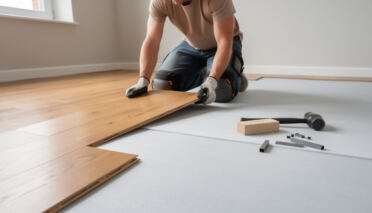
If one material has won over pet owners recently, it’s LVP. It’s typically waterproof flooring, comfortable underfoot, and surprisingly good-looking now. In the messy zones—mudrooms, kitchens, laundry areas—LVP is the floor that doesn’t punish you for having a life.
When Mia’s lab shakes off water like a sprinkler system near the back door, LVP is the difference between “wipe and move on” and “panic about swelling.” It’s also quieter than many hard surfaces, which matters when nails are tapping through the house while you’re trying to focus.
For traction, look for a texture that supports a non-slip surface. Some vinyl visuals are so smooth they behave like ice when wet. Others have embossing that feels more secure for pets, especially seniors.
A practical picking guide (based on your home’s chaos level)
- 🏃 If you’ve got high-speed pets and lots of traffic: scratch-resistant laminate (AC4–AC5) is a strong value play.
- 🪵 If you want real wood style but less drama: engineered hardwood with matte finish and a solid wear layer fits the bill.
- 🚿 If spills are constant or you’ve got a “splash zone”: waterproof flooring like LVP is your stress reducer.
- 🦴 If you’re thinking about senior dogs: prioritize comfortable flooring and traction over showroom shine.
Once you pick the right material for each room’s mess level, you can stop fighting your floor and start enjoying the pets you bought it for.
Need visual comparisons and installer tips from people who’ve tried everything? This is a helpful starting point:
Cleaning, odor control, and stain-resistant habits that keep pet-friendly flooring looking new
Buying the right floor is only half the story. The other half is the routine that keeps it looking like you didn’t just host a mud-wrestling tournament. The good news: you don’t need a complicated system. You need a consistent one, built around how mess actually happens in a pet home.
Mia’s turning point was realizing that most visible wear came from tiny particles—grit, dust, litter scatter—getting dragged around daily. Those particles act like abrasives, slowly dulling surfaces and creating the “it looks tired” effect. So instead of deep-cleaning once a week and hoping for the best, she shifted to small daily wins.
The daily routine that protects flooring durability
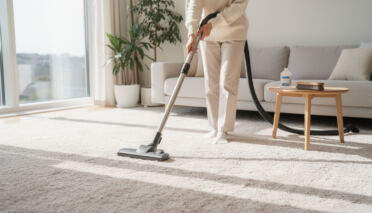
The most underrated habit is a quick daily sweep or vacuum. Pet hair isn’t the main issue; the dirt trapped in it is. If you let that build up, you’re basically polishing your floor with sand. A lightweight vacuum that handles fur (and can do edges) is a pet owner’s best friend.
Then, spot-clean the high-risk zones. Mia keeps a microfiber cloth in a drawer near the back door. Muddy paw prints get wiped right away with a damp cloth. The goal is simple: less time for moisture and dirt to bond with the surface.
Accidents happen: how to clean without locking in odor
When pets have accidents, speed matters more than strength. First blot—don’t scrub aggressively, especially on wood visuals where you can grind debris into texture. Then use an enzymatic cleaner that breaks down organic material, which helps prevent lingering odor. This is how you keep a floor truly easy to clean without turning your home into a perfume battlefield.
On waterproof vinyl, you’ve got more flexibility, but it’s still smart to avoid harsh chemicals that can dull finishes over time. On engineered wood, keeping moisture minimal is key: damp is fine; wet is risky.
Finish choices that reduce visible mess (without constant effort)
If you want the cheat codes, here they are: matte finishes and subtle texture. Matte doesn’t reflect light as aggressively, so it hides fine scratches and dust. Texture breaks up the “flat mirror effect,” so paw prints don’t look like a crime scene when sunlight hits at a low angle.
Mia also avoided very dark, very glossy floors. They look incredible in staged photos, but real-life pet homes aren’t staged. Choosing a mid-tone with variation (like a natural oak look) makes the day-to-day feel calmer.
Small protective add-ons that don’t ruin your style
- 🧼 Washable runners in hallways to catch grit before it spreads.
- 🍽️ A waterproof mat under food and water bowls (bigger than you think you need).
- 🚪 A doormat system: one outside for mud, one inside for moisture.
- ✂️ Nail trims—if you hear loud clicking, it’s time.
These habits don’t just keep things pretty; they extend flooring durability and reduce the chance you’ll need repairs earlier than expected.
If you want a quick demo of maintenance routines and what cleaners to avoid, this video search should point you to solid walkthroughs:
Non-slip surface and comfortable flooring: designing safer rooms for puppies and senior pets
Pet owners often shop floors like they’re buying armor—hard, tough, indestructible. But the real win is balancing toughness with safety and comfort. If your dog slips every time they stand up, that’s not a “fun quirk.” Over time, repeated slipping can stress joints, especially in larger breeds and senior dogs. Cats, meanwhile, can adapt, but they’ll still appreciate predictable traction when they sprint and pivot.
Mia’s lab started showing subtle signs of aging: hesitating before jumping off the couch, taking corners more slowly, and sliding a little when rushing to the door. That’s when she stopped thinking only about scratches and started thinking about movement.
Where slips actually happen (and how to plan for them)
Most slips occur in predictable spots: the top of stairs, transitions between rooms, near doors where moisture collects, and around food stations. You don’t always need to change the whole house to improve safety. Sometimes it’s about choosing a more textured product in those zones, or adding washable runners that don’t bunch up.
If you’re choosing hard surfaces like tile-look materials, the texture and finish become even more important. A non-slip surface isn’t just marketing—it’s a feel test. If it feels slick under a damp hand, imagine wet paws.
Comfort isn’t just “soft”: it’s also warmth and noise
Comfortable flooring can mean a bit of underfoot give, warmer feel in winter, and less noise. LVP tends to be softer than tile and can feel more forgiving during long standing sessions (for humans too). Engineered wood often feels warmer than stone-look surfaces. Laminate can be comfortable, but pairing it with a quality underlayment helps reduce the “hard echo” effect and makes nail clicks less intense.
Mia also noticed something unexpected: when the floors were quieter, her terrier seemed less reactive to movement noises. Less click-clack meant fewer “alert barks” during work calls. Flooring changed the vibe of the house.
Room-by-room comfort strategy (without babying everything)
Here’s how Mia approached it in a way that still looked grown-up: LVP in the back entry and kitchen (because water), engineered wood in the office and living room (because vibe), and runners where traction mattered most. She didn’t try to force one material everywhere. That decision alone made the house easier to live in.
For multi-pet homes, it also helps to consider litter tracking. A textured surface can hide tiny specks visually, but you’ll still want mats placed strategically so grit doesn’t become a daily scratch source.
Materials to avoid (or at least think twice about)
Some surfaces fight pet life. Soft woods dent and mark easily. Highly porous natural stone can stain if not sealed properly. High-pile carpets can trap odors and hair, and loop styles can snag claws. If you love carpet in bedrooms, consider low-pile options with better stain technology and be realistic about cleaning schedules.
Smart pet-proofing isn’t about turning your home into a kennel—it’s about designing for real movement, so the floor supports your pets instead of betraying them.
Repair, replacements, and realistic expectations for scratch-resistant, stain-resistant flooring for pets
Even the best floor will eventually show life. That’s not failure; it’s proof your home is being used. The goal is to choose products where wear is slow, damage is limited, and fixes don’t require a total meltdown. Mia’s approach was to plan for “future her”: if something happens, can she repair it without replacing the whole room?
What “scratch-resistant” really means in real homes
Scratch-resistant means the surface is engineered to reduce visible scratching and abrasion in normal use. It does not mean “immune to claws, grit, and furniture.” If a large dog launches off a couch while there’s sand on the floor, something will mark. The difference is whether that mark is a tiny scuff that disappears into texture… or a bright line that catches light forever.
Matte finishes and natural variation patterns are your allies. They help the floor stay visually calm even when it’s not perfect.
Laminate repairs vs engineered wood fixes vs vinyl plank swaps
With laminate, minor surface marks can sometimes be disguised with repair kits matched to the color. If a plank is deeply damaged, replacement is often the practical route because laminate isn’t typically refinished like wood. That’s why choosing AC4–AC5 and a textured finish matters so much up front.
Engineered hardwood can be more forgiving long-term if it has a thick wear layer. Small scratches can blend in, and in some cases refinishing is possible. If the wear layer is thin, your options narrow, so it’s worth checking specifications before you fall in love with a sample.
LVP is usually about plank replacement when damage is severe. The upside is that it’s often straightforward if you have spare planks and the floor is a floating click system. Keeping an extra box after installation is one of those boring tips that feels genius later.
Budgeting like a pet owner (not like a showroom)
Mia built her budget around durability and repairability instead of chasing the fanciest visual. She spent more on the highest-risk zones—entryways and kitchen—because that’s where waterproof and traction pay off. In lower-risk rooms, she focused on a balanced product that was easy to clean and still stylish.
She also asked installers about transition strips, edge sealing where appropriate, and how to avoid moisture traps under mats. Those “small details” are often what decide whether a floor looks great for years or starts failing at seams.
One last reality check: the best floor is the one you’ll maintain
If a floor requires special rituals to stay nice, it won’t stay nice. If it works with your routine—quick vacuum, occasional damp mop, fast spot cleans—it will look better longer, even if it wasn’t the most expensive option. That’s the core of flooring durability in a pet household: choose wisely, then keep it simple.
Is laminate flooring actually good for dogs and cats?
Yes—modern laminate can be very pet-friendly when you choose a high abrasion rating like AC4 or AC5. It’s typically scratch-resistant, easy to clean, and budget-friendly. Pick a matte or textured finish to help hide hair and minor scuffs, and keep grit under control with regular vacuuming.
What’s the best waterproof flooring for pet accidents and wet paws?
Quality luxury vinyl plank (LVP) is a top choice because it’s designed as waterproof flooring and handles frequent spills without swelling. It’s also often more comfortable flooring than tile and can provide a non-slip surface when you choose a textured option.
How do I clean pet urine without leaving odor or stains?
Blot immediately, then use a pet-safe enzymatic cleaner that breaks down organic residues. Avoid soaking seams, especially on wood-based floors. Fast cleanup plus the right cleaner helps keep surfaces stain-resistant and prevents lingering smells.
What flooring should pet owners avoid if they want fewer headaches?
Soft hardwoods (they dent and scratch easily), highly porous stone if it’s not well sealed (it can stain), and high-pile or loop carpets (they trap hair and odors and can snag claws). If you love carpet in certain rooms, consider low-pile styles with stain protection and commit to regular deep cleaning.
How can I reduce slipping for a senior dog without redoing all my floors?
Add washable runners in high-speed pathways, use larger spill mats under bowls, and prioritize traction at transitions (doorways, stairs). If you’re replacing a room, choose a more textured product that supports a non-slip surface, and keep nails trimmed to improve grip and reduce scratching.