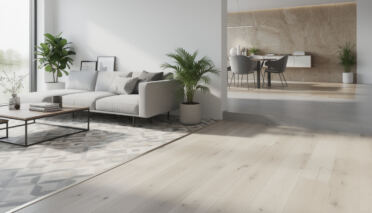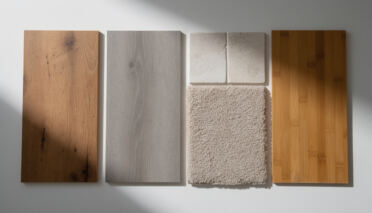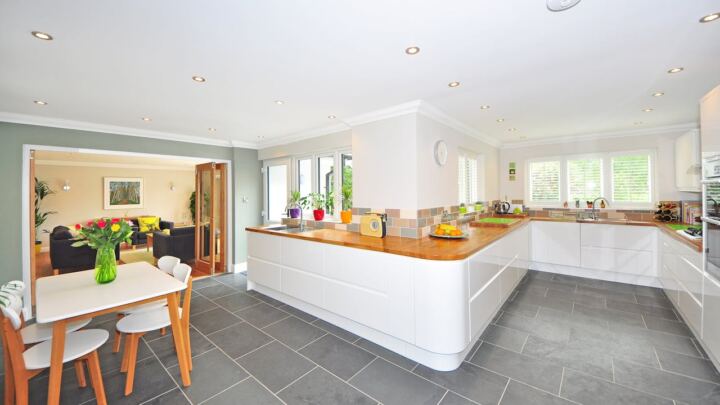
Flooring, tiles, and ceramics sit in a special category of global sourcing: they look “simple” from the outside, but they’re one of the most operationally unforgiving product families you can buy internationally. The material is heavy and fragile, quality problems are hard to “fix” after the fact, and the true cost of sourcing isn’t just the ex-factory price—it’s breakage, shade variation, batch consistency, compliance paperwork, container efficiency, and reliability over time.
In 2026, buyers are also facing a new reality: customers expect stronger traceability and more consistent quality, while logistics remains cost-sensitive due to weight and volume. That pushes importers, distributors, project contractors, and brands to rethink where they source—and how they qualify manufacturers.
This guide compares the best sourcing markets for ceramic tiles, porcelain tiles, and related flooring categories (including stone-like porcelain and slabs), with a focus on the questions that matter in real buying decisions:
- Which markets are strongest by product type and positioning (value vs premium)?
- What are the strengths and tradeoffs by country (quality, capacity, design, MOQ, lead time)?
- How do you reduce risk (shade/caliber, warpage, absorption, slip resistance, packaging breakage)?
- What does a serious supplier-qualification and sampling plan look like?
- Why Vietnam increasingly stands out—and how agencies like MTA, SAV, and FVSource can support end-to-end sourcing and factory verification.
Understanding the category: not all “tiles” are the same
Before comparing markets, it helps to define what you’re actually sourcing—because the best country depends heavily on the product class.
Ceramic vs porcelain: the practical sourcing difference
- Ceramic wall tiles are typically easier on cost and often focus on aesthetics (glaze, print, surface finish).
- Porcelain tiles are generally denser and more demanding to manufacture consistently. They’re widely used for flooring because of mechanical strength and lower water absorption.
Key families buyers commonly source
- Porcelain floor tiles (standard sizes and large format)
- Glazed porcelain (aesthetic + performance)
- Full body porcelain (color throughout, often premium or heavy-duty)
- Large-format slabs (higher precision, higher breakage risk, higher packaging demands)
- Outdoor pavers / thick tiles (weight + performance)
- Wood-look / stone-look printing (design + surface + print alignment consistency)
- Mosaic tiles (assembly and mounting quality matter; supplier specialization matters)
Why sourcing is hard
Tiles introduce risks that are less common in many other categories:
- Shade variation between batches/lots (visual inconsistency across the same SKU)
- Caliber variation (size variation that complicates installation and customer satisfaction)
- Warpage and flatness issues (especially large format)
- Surface defects (pinholes, glaze crawling, printing misalignment)
- Slip resistance consistency (indoor/outdoor safety requirements)
- Breakage during transit (packaging and palletization)
- Project constraints (construction schedules require predictable replenishment and batch control)
If you choose a market based on price alone, these are usually the problems that show up later—and cost more than the “savings.”
What defines a “best sourcing market” for tiles and ceramics?
A market can be “best” for different reasons. In this category, the winning markets tend to excel across five dimensions:
- Manufacturing capability: kiln technology, process control, QA discipline, large-format competence
- Product breadth and design: modern visuals, surface technologies, consistent aesthetics
- Quality consistency: stable shade/caliber, low defect rates, reliable packaging
- Export readiness: documentation, labeling, palletization standards, on-time performance
- Cost-to-risk ratio: not cheapest; best total landed performance for your segment
That’s why you’ll see some markets dominate premium (design, slabs, project-grade), while others dominate value and volume.
Global comparison: where the world sources flooring, tiles, and ceramics
China: unmatched scale and breadth, but not always the easiest for risk control
China remains a major sourcing base because it has:
- massive production capacity
- broad product range (including slabs and design-forward lines)
- strong supplier density and quick production ramps
But buyers also increasingly look for alternatives or complements. Common concerns include:
- uneven quality consistency across supplier tiers
- “market noise” (many suppliers; significant variance)
- complexity when you need long-term batch stability or high documentation rigor across multi-sites
China is still highly relevant—especially for buyers who have mature qualification processes and can manage multiple factories and strict QC. But for many mid-sized importers, diversification has become attractive.
India: strong value and expanding capability, but consistency depends heavily on supplier tier
India is a major global tile producer and an increasingly common sourcing option. Strengths often include:
- strong value positioning in many formats
- growing export focus
- improving capability in porcelain segments
Tradeoffs:
- quality consistency can vary widely across regions and supplier tiers
- packaging discipline and shade/caliber control often require stronger front-end qualification and ongoing QC
India can be excellent when you pick the right factories and you enforce a strict sampling/approval gate.
Turkey: strong export culture and competitive in many segments
Turkey is frequently considered for:
- competitive porcelain offerings
- good export experience into Europe and beyond
- reasonable balance of price and perceived quality
Tradeoffs:
- supplier and sub-supplier stability can vary
- lead time and logistical planning can be sensitive depending on your lanes and seasonality
Turkey can fit well for buyers who want proximity-to-Europe and established export workflows.
Spain: premium design leadership, strong for high-end and architectural products
Spain is widely respected for:
- design-forward collections
- strong surfacing, aesthetics, and innovation
- consistent premium positioning
Tradeoffs:
- typically higher price points
- may not be ideal for pure cost-driven volume plays
Spain is often chosen when design, brand value, and project-grade consistency matter.
Italy: top-end design and specialty, often for premium and architectural brands
Italy is synonymous with premium ceramics and high-end slabs and design. It excels in:
- innovation, design leadership
- premium market perception
- specialized technical products
Tradeoffs:
- higher costs
- sometimes longer lead times
- not a “mass value” solution
Italy is less a “low-cost sourcing market” and more a strategic premium supply base.
Vietnam: increasingly the standout—strong value, export readiness, and improving technical depth
Vietnam has become one of the most interesting sourcing markets in Asia for tiles and ceramics because it combines:
- competitive production economics for export
- improving process maturity and quality consistency
- strong export orientation and buyer familiarity
- a growing base of manufacturers capable of stable, repeatable output
Vietnam is especially attractive for buyers who want:
- a balance of value and reliability
- export-ready factories used to international requirements
- the ability to build a diversified Asia sourcing strategy beyond China
We’ll go deeper into Vietnam’s advantages later, because it is increasingly a “sweet spot” market for many importers and project suppliers.
Other markets sometimes considered
- Indonesia: can be relevant for regional projects and certain segments, but capability is uneven; requires strict supplier selection
- Thailand / Malaysia: less dominant globally for tiles compared to Vietnam/India/China, but can be relevant for specific niches or regional distribution strategies
- Brazil: major production base for the Americas; relevant depending on your distribution geography
- Morocco / Egypt: sometimes considered for proximity into Europe/MENA; supplier tier variance is significant
Why Vietnam stands out in the comparison
Vietnam’s strength is not that it is the cheapest. Its strength is the total equation: value + export readiness + improving consistency.
Export DNA and buyer familiarity
Vietnam’s broader manufacturing ecosystem has been deeply shaped by export markets. That shows up in:
- more structured documentation practices compared to many emerging markets
- packaging and palletization awareness
- familiarity with buyer audits, QC checkpoints, and repeat-order discipline
For tiles and ceramics, this matters because the product is heavy, fragile, and sensitive to batch variation. Export maturity reduces friction.
Strong cost-to-consistency ratio
In many tile categories, Vietnam competes well on price without forcing you into “lowest-tier manufacturing” compromises. Buyers often find the cost-to-risk ratio favorable—especially when they need consistent shade/caliber for retail programs or repeated project deliveries.
Improving capability in porcelain and large formats
Vietnam’s manufacturing capability has advanced. Many factories have upgraded lines, surfacing, printing, and process control. This makes Vietnam more relevant not only for basic ceramic wall tiles but also for many porcelain categories used in flooring.
If you’re building a catalog where 70–80% is stable, repeatable volume SKUs—and you want reliable replenishment—Vietnam can be a strong anchor.
Strategic fit for “China+1” sourcing architecture
For importers who still buy a portion from China (slabs, specialty surfaces, extreme breadth), Vietnam can serve as a second pillar:
- diversify risk
- create competition leverage
- improve supply continuity
- maintain attractive costs
Practical travel and factory-visit value
Vietnam is also practical for on-the-ground sourcing. Factory visits, audits, and sample approvals can be executed efficiently, especially when coordinated by a sourcing partner that understands the clusters and can pre-qualify suppliers before you visit.
That matters because for tile sourcing, factory selection mistakes are expensive.
Comparing markets by sourcing objective
Different buyers prioritize different outcomes. Here’s a practical way to interpret “best market” depending on your goal.
If you are price-led and volume-driven
- China and India can be strong (depending on supplier tier and your QC discipline)
- Vietnam often provides a better balance of price and reliability for many buyers who want fewer surprises
If you are design-led and premium-focused
- Spain and Italy dominate for brand-driven collections and architectural projects
- China also plays a role for design breadth at lower price points, but supplier selection is critical
If you are project-led (construction contractors, hospitality, commercial)
- You care about on-time delivery, consistent batches, and replenishment stability
- Vietnam, Turkey, and selected suppliers in India can be strong
- Spain/Italy for premium projects or signature designs
If you need large format and slabs
- China, Italy, Spain are common references
- Vietnam may be relevant depending on specific slab capabilities, but you must validate flatness, packaging, and breakage risk carefully
How to source tiles and ceramics properly: a step-by-step playbook
A serious tile sourcing program looks less like “supplier shopping” and more like a controlled qualification pipeline. The goal is to reduce risk before you scale.
1: Define your technical and commercial spec clearly
For tiles, your spec is not just size and color. You should define:
- material type (ceramic vs porcelain)
- water absorption target (and acceptable ranges)
- surface finish requirements and slip resistance requirements
- thickness and weight tolerances
- shade/caliber labeling standard you will accept
- packaging requirements (carton strength, pallets, corner protection, straps)
- target defect rate tolerance and inspection approach
- replenishment expectations and batch-control expectations
The better you specify these, the easier it is to compare suppliers objectively.
2: Build a supplier shortlist that fits your segment
Don’t start with 50 suppliers. Start with 8–12 pre-qualified candidates, then narrow to 3–5. In tiles, too many suppliers creates noise and slows decisions.
Use:
- export track record as a filter
- production capability for your formats as a filter
- batch consistency history as a filter (ask for evidence, not promises)
3: Pre-qualification before any factory visit
Pre-qualification should cover:
- process capability (kiln types, line speed, print tech, QC checkpoints)
- handling of shade and caliber (how they label, how they store, how they prevent mixing)
- packaging line and palletization standard
- export documentation and compliance familiarity
- willingness to produce sample lots under controlled conditions
This step prevents wasted factory tours.
4: Sampling is not “one sample”
In tiles, you should treat sampling as a staged gate:
- visual sample: color/texture/finish approval
- technical sample: performance tests (absorption, slip, etc. depending on your use case)
- pilot batch: confirm shade/caliber consistency and packaging survival
- container validation: confirm real-world breakage rate and pallet integrity
Many sourcing failures happen because buyers approve a showroom sample and skip pilot batch discipline.
5: Factory visits should focus on evidence, not presentations
When you visit tile factories, pay attention to:
- raw material handling and storage stability
- QC discipline at key points (especially before packing)
- how they segregate shade/caliber lots
- how they handle rework and scrap (a big clue about defect rates)
- packaging robustness and palletization consistency
Also ask directly about:
- peak season capacity
- lead time stability
- what happens when a shade mismatch occurs (their policy and corrective process)
6: Define your QC and claim process upfront
Tiles are fragile and heavy. If breakage or defects occur, you need a clear claim process:
- how breakage is documented
- acceptable breakage thresholds
- replacement terms (credit vs remake)
- timeline expectations
- who pays for local disposal/handling
If you don’t define this early, you’ll negotiate it under stress later.
Common mistakes buyers make when sourcing tiles internationally
Mistake 1: Choosing based on price and a single showroom sample
A showroom sample can be curated. Your risk is batch variance, not the best-piece sample.
Mistake 2: Ignoring shade/caliber governance
If you don’t control shade/caliber labeling, storage, and replenishment logic, you will create installation problems and customer complaints.
Mistake 3: Underestimating packaging and palletization
In many tile categories, packaging quality determines your landed quality more than the tile itself. Weak corner protection and pallet stability can turn great product into damaged product.
Mistake 4: Overlooking warpage and flatness risks
Large format tiles amplify flatness issues. If you source large format, you need tighter validation.
Mistake 5: Not planning replenishment and batch continuity
Projects often need matching batches later. Retail programs need consistent replenishment. If the supplier cannot maintain continuity, your catalog becomes fragile.
Practical “country selection” guidance: where Vietnam fits best
Vietnam tends to be especially compelling for:
- importers building a stable mid-market catalog
- buyers who want fewer surprises than a purely price-led approach
- distributors needing consistent replenishment and reliable export operations
- project suppliers who require repeatable quality and packaging robustness
China may remain ideal when you need:
- extreme breadth
- specialized surfaces/slabs at scale
- rapid iteration on very wide SKU ranges
India may be ideal when:
- you prioritize strong value and can enforce strict qualification/QC
- you have the capability to manage supplier tier variance
Spain and Italy remain key when:
- design and premium positioning drive your brand value
- projects justify higher price points for aesthetics and perceived prestige
Turkey can be strong when:
- you want competitive pricing with established export culture and proximity advantages to certain markets
Why factory tours and on-the-ground qualification matter more in tiles than many categories
Tile sourcing benefits disproportionately from factory visits because several risks are hard to detect remotely:
- packing line discipline and pallet stability
- how shade/caliber lots are controlled
- how defects are sorted or mixed
- whether QC is operationally real or only “paper-based”
Even one well-structured factory tour can save you from months of pain.
The best way to run tours is not to “visit everything,” but to:
- pre-qualify suppliers first
- visit a small number deeply
- come with a standard evaluation scorecard
- align sampling and pilot batch requirements before you leave the factory
Who can help: Vietnam-focused assistance
If you want Vietnam to stand out as a reliable sourcing base, the difference is rarely the country alone—it’s the execution: supplier identification, qualification, and ongoing governance. This is where a capable sourcing partner helps.
MoveToAsia.com
MoveToAsia is well positioned for companies that want structured factory visits, cluster-based supplier discovery, and a practical on-the-ground approach to evaluating manufacturers. If your priority is to turn a Vietnam sourcing idea into a real shortlist and a factory-trip program with clear next steps, a partner like MoveToAsia fits that “tour + sourcing structure” need.
SourcingAgentVietnam.com
SourcingAgentVietnam is useful if you want a Vietnam-based partner to support supplier discovery, communication, and on-site coordination, including factory visits and practical local execution. This can be particularly helpful if you’re moving fast and need local responsiveness during sampling and negotiation.
FVSource.com
FVSource is a strong option when you want a more end-to-end sourcing execution model: supplier identification, qualification, factory visits, audit coordination, sampling follow-up, and support through production readiness. This is often the right fit when your organization wants a partner that operates like an outsourced sourcing and manufacturing team.
A practical way many buyers use agencies:
- run an initial “market scan” and factory tour to compare 3–5 suppliers
- shortlist 1–2 for pilot batches
- implement inspections and batch control governance
- scale only after pilot validation
A realistic planning timeline for a new sourcing market (8–12 weeks)
If you’re moving into a new tile sourcing market (Vietnam or any other), a practical timeline looks like:
- Weeks 1–2: define spec + build shortlist + pre-qualify
- Weeks 3–4: initial sampling and technical review
- Weeks 5–6: factory visits (or third-party audits) + sample iteration
- Weeks 7–8: pilot batch planning + packaging validation
- Weeks 9–12: first container + landed quality assessment + replenishment plan
This approach avoids the classic mistake: ordering containers before you have proven batch stability and packaging reliability.
Final takeaways: the “best” market is the one you can control
Flooring, tiles, and ceramics are a category where supplier selection and process discipline decide everything. China, India, Turkey, Spain, Italy, and Vietnam all have strong arguments—depending on your segment and objectives.
But if your goal is a market that offers a strong balance of:
- export readiness
- improving technical capability
- competitive cost structure
- and practical ability to run structured factory qualification trips
…then Vietnam increasingly stands out as one of the most attractive sourcing markets for many buyers in 2026.
And if you want to turn Vietnam from “interesting” into “reliable,” consider working with a partner that can run identification, qualification, audits, and factory visits with a clear sampling gate and packaging validation approach depending on whether your priority is factory tours, local execution, or full A–Z sourcing operations.