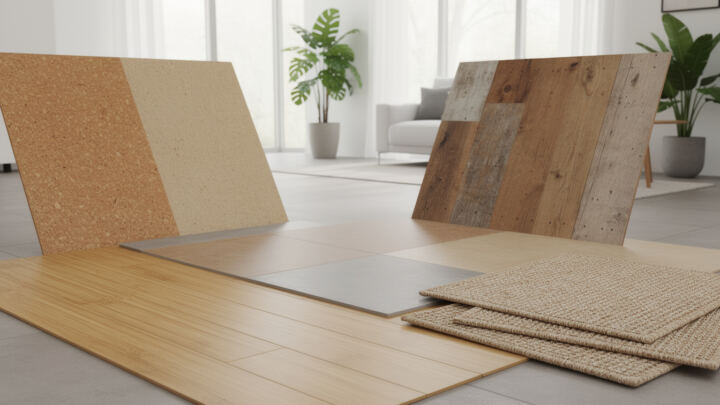
Flooring is one of those home decisions that looks purely aesthetic… until you live with it. Suddenly you’re thinking about scuffs, noise, allergy flare-ups, wet shoes, dog nails, and that “new-floor smell” that can linger way longer than anyone wants. The good news is that eco-friendly options aren’t a niche thing anymore. In 2026, the sustainable flooring market is booming, and not just because people want to feel virtuous—because the materials have genuinely gotten better: more durable finishes, smarter manufacturing, and a big push toward low-VOC and non-toxic products that don’t wreck indoor air quality. And since indoor air can be significantly more polluted than outdoor air (EPA research often cites a multiple), what you put under your feet is also what you’re breathing every day.
But “green” can be messy. A natural material might be shipped halfway across the planet. A recycled product might still need chemical binders. A biodegradable floor might be awesome at end-of-life… but annoying if it can’t handle your kitchen chaos. So let’s talk like real people: what works, what doesn’t, and how to choose a floor that fits your space, your budget, and your values—without falling for greenwashing. And yes, we’ll hit the classics (bamboo, cork, hardwood) and a couple of wildcards you might not have on your radar.
En bref
- 🌿 The most sustainable choice is often keeping your current floor and restoring it instead of replacing it.
- 🏡 Prioritize low-VOC and non-toxic materials to protect indoor air quality, especially for kids and sensitive noses.
- 🎋 Bamboo grows fast and can be very durable, but certifications and adhesives matter a lot.
- 🍾 Recycled tiles (glass/metal) and reclaimed wood can be stunning, but installation details decide whether they’re practical.
- 🪵 Renewable and responsibly sourced wood (FSC-certified or reclaimed) can last decades and be refinished instead of replaced.
- 🧼 Linoleum is old-school and secretly a star: biodegradable, easy-care, and family-proof.
- 🧪 Don’t forget the “extras”: adhesives, grout, sealers, and underlay can make or break a sustainable build.
Eco-friendly flooring materials: how to judge what’s truly sustainable
Before you even look at samples, it helps to understand what “eco-friendly” really means in flooring. People often stop at “it’s natural,” but that’s only one piece of the puzzle. A natural floor can still be coated in high-emission finishes, glued down with nasty adhesives, or shipped so far that the transport footprint cancels out the feel-good story. Real sustainability is about the full lifecycle: sourcing, manufacturing, installation, daily life, and what happens when it’s ripped out years later.
Start with health and indoor air quality. Many conventional materials (and even some “green-ish” ones) can release VOCs or formaldehyde for a long time after installation. If you’ve ever walked into a freshly renovated room and thought, “why does my throat feel weird?”, that’s the vibe you’re avoiding. Low-emission choices aren’t just nice-to-have—if you work from home, have kids playing on the floor, or you’re dealing with allergies, it’s a practical upgrade.
Then there’s longevity. It’s not glamorous, but the most sustainable floor is usually the one that stays put for decades. Replacing flooring every few years is expensive, resource-heavy, and basically guarantees extra waste. A durable material that holds up—and can be repaired, refinished, or reused—is almost always a greener bet than a trendy option that looks tired after five winters of grit and slush.
Another key filter: end-of-life options. Can it be reused, recycled, or safely biodegraded? A biodegradable product (like real linoleum) has a different end-of-life story than something plastic-based. But even with recyclable materials, local recycling availability matters. It’s worth asking the retailer, “Where does this actually go in my city?” because “recyclable in theory” and “recyclable in real life” are not the same thing.
Certifications help you cut through marketing. The names vary by region, but these are the ones that tend to show up on credible products: FSC for responsibly managed forests, FloorScore and GREENGUARD for low chemical emissions, and specific programs for leather sourcing such as Leather Working Group or labels aimed at safer chemistry like MADE SAFE. You don’t need to collect them like Pokémon cards, but one strong certification is better than a dozen vague claims on a box.
Here’s a quick comparison framework you can literally screenshot and use while shopping.
| What to check 🔎 | Why it matters 🌍 | What “good” looks like ✅ |
|---|---|---|
| Material origin 🌱 | Impacts deforestation, biodiversity, and extraction damage | FSC wood, rapidly renewable sources, reclaimed supply chains |
| Chemical emissions 🧪 | Affects indoor air for years | low-VOC / non-toxic, FloorScore or GREENGUARD |
| Durability 🛠️ | Longer life = fewer replacements and less waste | Refinishable surfaces, tough wear layers, strong warranties |
| Installation method 🧩 | Adhesives and removability change the footprint | Floating systems or mechanical fastening; low-emission adhesives if needed |
| End of life ♻️ | Landfill vs reuse/recycling vs biodegradation | Reusable planks, take-back programs, biodegradable options |
If this feels like a lot, here’s the human version: imagine two neighbors, Maya and Jordan. Maya picks a “natural” floor with a bargain glue-down install, and the room smells sharp for weeks. Jordan picks a recycled-content floating floor with verified low emissions and keeps it for 20 years. Same square footage, totally different impact. That’s the mindset—choose the system, not just the surface.
Next up, let’s get into the crowd favorites that usually top the list: bamboo, cork, and linoleum—and why they’re loved (and where they can disappoint).
Top sustainable natural flooring options: bamboo, cork, and real linoleum
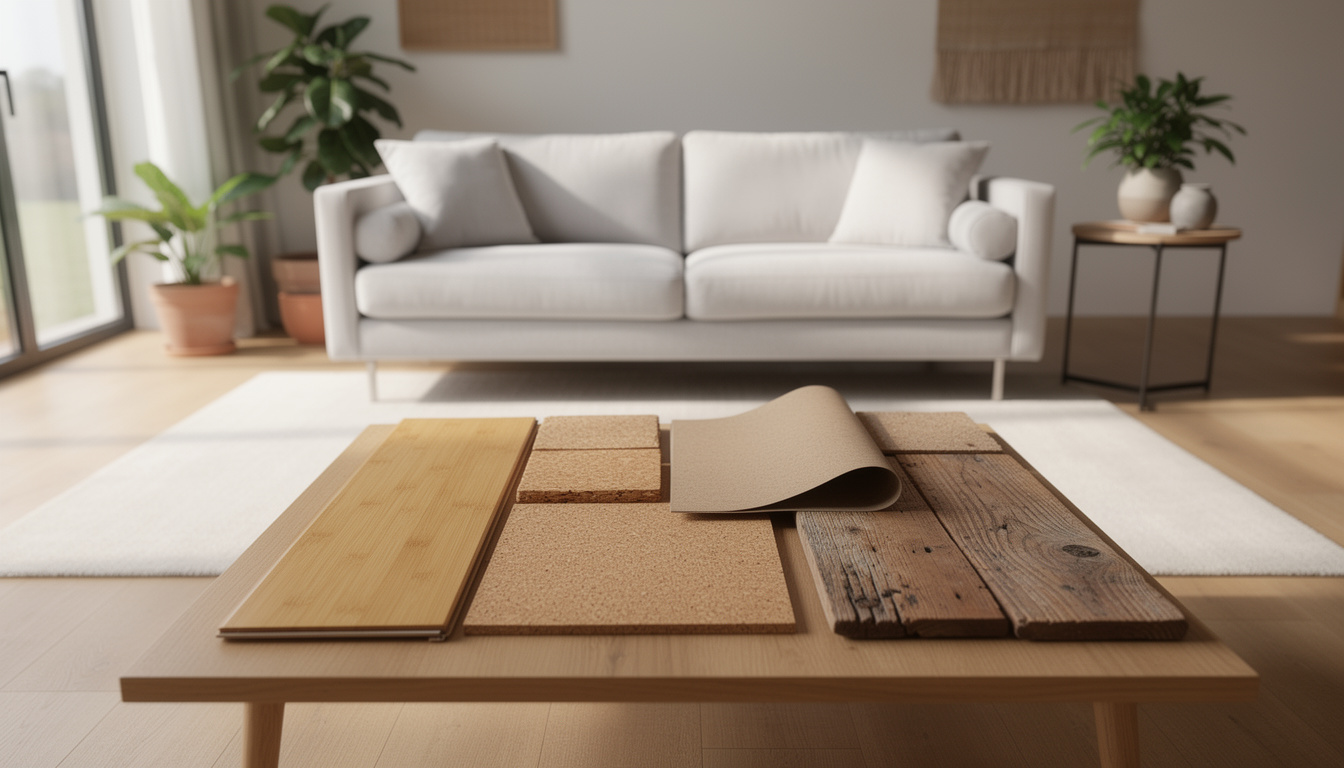
Let’s talk about the big three that come up whenever someone says they want a sustainable floor that still looks like a “normal” home: bamboo, cork, and natural linoleum. They’re popular for a reason—they’re renewable (in different ways), they can be durable, and they don’t have to look like a crunchy science project. Still, each one has quirks you’ll want to know before committing.
Bamboo flooring: fast-growing, tough, but quality varies
Bamboo is a classic eco-friendly pick because it grows ridiculously fast compared to trees. Many bamboo species reach maturity in roughly 3–5 years, while common hardwood trees can take decades. It also regenerates from its root system, so you’re not replanting in the same way you would with timber. That’s the headline.
The fine print is manufacturing. Some bamboo floors—especially strand-woven styles—are extremely durable and can handle busy households. Strand-woven bamboo is basically bamboo fibers compressed together, which makes it harder and more dent-resistant than you’d expect. The catch? Compression usually involves adhesives. If those adhesives contain formaldehyde or higher-emission resins, you’ve traded one problem for another. So if bamboo is your choice, aim for products that are clearly low-VOC and preferably certified (GREENGUARD/FloorScore-type programs, depending on where you are).
Real-life example: a friend put bamboo in a rental-grade hallway because it was “green and cheap.” It looked great for a year, then the finish started to wear in a dull path right down the center. Meanwhile, another household used a higher-grade strand-woven bamboo in an open-plan living space with kids and it still looks sharp years later. Same material category, wildly different outcomes. That’s why bamboo shopping is more about specs and certifications than the word “bamboo” on the label.
Cork flooring: warm, quiet, allergy-friendly… and a little precious
Cork has one of the best sustainability stories out there because it’s harvested as bark from cork oak trees without killing the tree. The bark regrows, typically harvested in multi-year cycles, which makes it genuinely renewable. Those cork landscapes also support biodiversity, so buying cork can indirectly support the conservation of those ecosystems when it’s sourced responsibly.
In daily life, cork is cozy. It has natural spring, it’s quieter underfoot, and it can feel warmer than tile in the morning. Cork is also naturally resistant to microbes and can deter pests, which is why people with allergies often like it. It’s a very “I want comfort but I’m still being responsible” option.
But cork can be easier to dent or scratch than harder surfaces. If you’ve got heavy furniture with tiny feet, or a big dog that launches into zoomies, you’ll want felt pads and smart layouts. It’s not that cork can’t work in active homes—it can—but it does better when you treat it like a finish you respect, not a surface you punish.
Natural linoleum: the low-drama, biodegradable workhorse
Real linoleum (not vinyl pretending to be it) is made from ingredients like linseed oil, wood flour, cork dust, pine resin, and natural pigments. That’s why it can be biodegradable and why it tends to have a different indoor-air profile than plastic-based floors. It’s also surprisingly family-friendly: easy to clean, generally water-resistant in day-to-day spills, and it can be a strong choice for kitchens, mudrooms, playrooms—places where you want “wipe and move on.”
Linoleum also gets style points now. Modern designs aren’t just speckled school-corridor vibes; you’ll find bold colors, subtle patterns, and tile formats that look crisp in contemporary spaces. If you want a sustainable floor that doesn’t require a lifestyle change, linoleum is honestly one of the most underrated picks.
If you want to see how installers and renovators talk about these materials in real projects, a quick YouTube search can be surprisingly helpful—especially for hearing the pros/cons in plain language.
Okay, so you’ve got renewable and natural options covered. Next, let’s switch to materials that win on “this will outlive me” energy: wood, tile, and concrete—especially when they’re sourced and finished the right way.
Durable eco-friendly floors that can last decades: wood, tile, and concrete
If you’re trying to be sustainable, durability is your best friend. A floor that stays in place for 30, 50, or even 100 years beats a “perfectly eco” floor that fails early and gets replaced twice. This is where wood (done responsibly), tile, and concrete shine—because when they’re installed well, they’re basically the long-game champions.
Hardwood: sustainable when sourced right, unbeatable when refinished
Hardwood has a reputation as the “gold standard,” and it can be—if you buy it responsibly. Wood stores carbon captured during tree growth, and that carbon stays locked in the boards throughout the floor’s life. The big sustainability lever is sourcing: aim for FSC-certified wood whenever possible, or go reclaimed if you want maximum character and minimum waste.
There are three common hardwood routes:
- 🪵 Solid hardwood: One piece of wood. It can be sanded and refinished multiple times, which is huge for longevity.
- 🧩 Engineered hardwood: A stable core with a hardwood veneer. It uses less slow-growing timber and can be more dimensionally stable in shifting humidity.
- ♻️ Reclaimed hardwood: Salvaged from old buildings. It keeps material out of landfill and brings unique grain, color, and history.
Refinishing is where hardwood really becomes a sustainability flex. Instead of ripping it out, you refresh the surface. Some industry research has shown refinishing can massively cut the carbon footprint compared to full replacement. In practical terms, refinishing also lets you update a honey oak floor to a modern tone without trashing perfectly good material. That’s a win for your wallet and the planet.
One caution: finishes and adhesives. A gorgeous wood floor can still off-gas if you use high-emission sealants. Look for low-VOC finishes, and if you’re sensitive, ask for product data sheets rather than trusting “eco” on a brochure.
Tiles: recycled options and century-level durability
Tile is one of the most durable categories out there. It’s also flexible: you can pick recycled content, natural stone, or classic ceramic/porcelain depending on your priorities.
Here’s the quick breakdown:
- 🍾 Recycled glass tile: Striking and easy to clean. Just be careful in wet zones because it can get slippery.
- 🪨 Stone tile: Ridiculously durable. It can feel cold, so it pairs well with rugs or radiant heat.
- 🐾 Porcelain/ceramic tile: Made from clay/minerals, tough and pet-friendly, with lots of style options.
- 🔩 Recycled metal tile: Often made with recycled aluminum/copper. Durable and bold, best when you want a design statement.
Tile’s sustainability story depends on longevity and sourcing. It can be energy-intensive to produce, and transporting heavy materials adds emissions, so local or regional sourcing helps. Also, don’t forget the grout and sealers—choose low-emission products so the whole system stays non-toxic.
Concrete: modern, minimal, and surprisingly air-quality friendly
Concrete floors are everywhere right now because they’re sleek and hard-wearing. Polished concrete can look high-end without needing extra layers of material, especially if you’re working with an existing slab. That “use what’s already there” approach is often the greenest move.
Concrete also doesn’t trap dust like carpet, and some homeowners like it for a cleaner-feeling indoor environment. Pair it with area rugs if you want softness without committing to wall-to-wall textile. And if you go for sealers, keep it low-VOC so you don’t undo the air-quality benefits.
If you’re renovating and want to see polished concrete, tile installs, and refinishing projects in action, videos can help you spot what “good craftsmanship” looks like before you hire anyone.
Now that we’ve covered the heavy hitters, let’s get into the “wait, that counts as eco-friendly?” category—materials that can be recycled, rescued, or simply last so long they become the less-waste option.
Recycled and unconventional eco-friendly flooring: rubber, vinyl, laminate, leather, and composites
Not every sustainable choice is purely natural. Sometimes the greener move is taking a material that already exists (or would become waste) and turning it into something that lasts a long time. That’s the logic behind many recycled floors and a few unconventional options that have quietly become mainstream in certain rooms.
Rubber flooring: safe, slip-resistant, and built for busy zones
Rubber is a standout for high-traffic spaces and “oops-prone” areas. It’s naturally shock-absorbing and often slip-resistant, which is why it shows up in gyms, playrooms, and sometimes bathrooms. From a sustainability angle, rubber can be made from recycled sources (like post-consumer tires) or responsibly harvested natural rubber, and it can often be recycled again at end-of-life depending on local programs.
The trade-off is comfort in the emotional sense, not the physical one. Rubber can feel a bit utilitarian, and it can be cooler and firmer than cork or wood. In a bedroom, it might feel like you’re living in a boutique fitness studio. In a home gym, it’s perfect. Context is everything.
Vinyl plank: plastic, yes—but longevity and recycled content change the math
Vinyl plank is tricky. It’s plastic-based, which is not what most people imagine when they say “eco-friendly.” Still, the reason it gets discussed in sustainable circles is longevity. A floor that lasts decades—and prevents multiple replacements—can reduce the total resource use compared to shorter-lived options. In 2026, there are also more lines that incorporate recycled content, which improves the footprint compared to purely virgin plastic.
If you go this route, keep your standards high: choose low-VOC certified products and avoid anything with questionable emissions. Also, consider floating installation so the floor is easier to remove and potentially reuse, rather than being glued down forever.
Laminate: improving recyclability and material efficiency
Laminate used to be the poster child for “cheap and disposable,” but modern lines are getting more thoughtful. Some manufacturers have improved material efficiency and recyclability, and reporting in the industry suggests a large share of modern laminate can be recycled in the right facilities. The catch is that infrastructure varies, so again: ask what happens locally.
Laminate can be a practical compromise when you want a durable wear surface and a budget that won’t tolerate premium hardwood. Just make sure you’re buying low-emission, certified product—because older laminate reputations didn’t come from nowhere.
Leather flooring: niche, but interesting when it’s deadstock
Leather flooring sounds wild until you see it installed—then it clicks. It’s typically constructed like engineered wood, but the top layer is treated leather. It’s warm, soft, and great for sound dampening, which can make apartments or echo-prone homes feel calmer.
For leather to be genuinely sustainable, it should come from recycled or deadstock sources—leftover leather from other manufacturing that would otherwise be trashed. Also look for credible sourcing signals (like LWG) so you’re not buying into a messy supply chain.
Composite decking indoors: rescued materials and low maintenance
Composite decking was born outdoors, but it’s creeping inside—especially in workshops, garden offices, and mudroom-type spaces. It’s often made from recycled plastic and wood fiber, and it’s tough as nails. If you can rescue leftover composite from a project (a real thing people do), that’s basically an anti-waste win. It’s not the choice for every living room aesthetic, but in utility spaces it’s a smart, durable solution.
Up next: choosing by room, because the most sustainable floor is the one that fits the way you actually live—spills, pets, kids, and all.
Choosing eco-friendly flooring by room: moisture, foot traffic, pets, and comfort
Here’s where decision-making gets real. You’re not choosing flooring in a vacuum; you’re choosing it for a specific room with specific chaos. The most sustainable plan is to pick something that won’t fail under your lifestyle. Because if it can’t handle your household, it won’t stay on the floor long enough to be truly eco-friendly.
Kitchens: wipeable, resilient, and not precious
Kitchens need to handle dropped pans, spilled sauce, and constant cleaning. Natural linoleum is a strong option here because it’s resilient, easy to maintain, and made from mostly natural inputs. Tile (ceramic/porcelain) is also excellent if you don’t mind the harder feel underfoot. If you love cork in a kitchen, it can work—but it needs proper sealing and a mindset of quick wipe-ups so moisture doesn’t linger.
A practical example: Maya (from earlier) has two kids who treat the kitchen like a snack stadium. She chose linoleum in a warm tone, added washable rugs in high-splash zones, and basically stopped stressing about every crumb. That’s the vibe you want: a floor that supports your life instead of policing it.
Bathrooms: water rules everything around me
Bathrooms are about water management. Stone tile, porcelain, and ceramic are the safest bets because they’re inherently water-resistant. If someone tries to sell you a “waterproof wood bathroom,” that can work in some designs, but it becomes a maintenance contract you didn’t ask for. For sustainability, choose durable tile and pair it with responsible grout/sealer choices that are low-emission.
Living rooms: comfort, acoustics, and long-term style
Living rooms are where you want comfort and looks. Hardwood (solid, engineered, or reclaimed) is a favorite because it ages well and can be refinished. Cork is amazing here if you like a quieter, warmer feel. Bamboo can also work beautifully in open-plan areas if you choose a high-quality, certified low-VOC product with a tough finish.
Bedrooms and nurseries: low-VOC and cozy underfoot
If you’re prioritizing indoor air, bedrooms deserve extra attention because you spend so many hours there. Cork is comfortable and naturally resistant to microbial growth. For carpet lovers, look at natural fibers like wool or plant-based options, or carpets made from recycled materials—just be mindful that carpet can trap allergens and needs consistent cleaning. If allergies are a concern, hard surfaces plus washable rugs can be a calmer setup.
Home gyms, basements, and utility spaces: tough and forgiving
Rubber shines in gyms and play spaces because it’s shock-absorbing and grippy. Basements are moisture wildcards, so you’ll want materials that won’t panic when humidity rises—tile and sealed concrete are common winners. Composite decking indoors can be a surprisingly smart option in outbuildings or garden offices where boots and equipment are normal.
One small move that makes a big difference across rooms: put felt pads under furniture, use entry mats, and control humidity for wood-based floors. Preventive care is sustainability in action, not just a maintenance chore.
Finally, let’s talk about the hidden part of eco-friendly flooring that people forget until it’s too late: adhesives, finishes, and installation choices.
Low-VOC installation and maintenance: adhesives, finishes, and end-of-life planning
You can buy the most sustainable material in the world and still mess it up with the install. This is where people accidentally sabotage their own goals: a gorgeous non-toxic floor paired with a high-emission glue, or a recycled tile installed with harsh sealants that stink up the whole house. The fix is simple—treat installation materials as part of the flooring system, not an afterthought.
Adhesives and finishes: the invisible source of VOCs
If you’re sensitive to smells (or you just don’t want your house to smell like a chemistry set), prioritize low-VOC or zero-VOC adhesives and finishes. Water-based products are often lower-emission than solvent-based options. For wood, natural oils and waxes can be appealing, but they still need to match your lifestyle—some need more frequent upkeep than hard factory finishes.
Floating installations can also reduce chemical exposure and make reuse easier later. A floating floor (click-lock, for example) can often be removed and reinstalled, which is a big sustainability perk if you move or remodel. It’s not always the right choice for every material, but it’s worth asking about.
Maintenance: make it last, keep it natural
Eco-friendly maintenance is mostly about avoiding harsh products and preventing damage. pH-neutral cleaners are a safe bet for many surfaces. Entry mats reduce grit (which is basically sandpaper on your finish). Furniture pads prevent dents and scratches. And for wood or bamboo, stable indoor humidity helps prevent warping or gaps.
When something wears, aim for restoration over replacement. Refinish hardwood. Reseal cork. Regrout tile instead of ripping it out. These are the unsexy moves that keep tons of material out of landfill.
End-of-life planning: don’t wait until demolition day
This sounds dramatic, but it’s smart: ask now what happens later. Can the material be reclaimed? Is there a take-back program? Will it be reusable if installed as a floating system? Even if the answer is “not really,” knowing it can influence your choice. For instance, picking a floor that can be removed intact is a practical step toward reuse, which is usually better than recycling.
And yes, sometimes the most sustainable move is doing nothing. If your current floor is structurally fine, restoring it (deep clean, reseal, refinish) is often the lowest-impact choice you can make.
To wrap the practical side of this up, here are a few quick questions people ask when they’re trying to balance healthy indoor air with real-life durability.
What is the lowest VOC flooring option for a healthy home?
Hard surfaces with verified low-emission finishes tend to be best: polished concrete with a low-VOC sealer, tile with low-emission grout/sealant, and responsibly finished solid hardwood. For any category, look for third-party labels like FloorScore or GREENGUARD to confirm low-VOC performance rather than relying on marketing copy.
Is bamboo flooring actually sustainable, or is it just hype?
Bamboo can be genuinely sustainable because it’s rapidly renewable (often maturing in about 3–5 years) and regrows from roots. The real deciding factors are sourcing and chemistry: choose certified, low-VOC products and avoid high-emission adhesives or finishes. High-quality strand-woven bamboo can also be very durable, which improves sustainability through longevity.
Is cork flooring a good idea if I have kids and pets?
It can be, especially in bedrooms and living spaces where comfort and sound reduction matter. Cork is renewable and naturally resistant to microbes, but it can dent or scratch more easily than tile or stone. Using furniture pads, choosing a strong finish, and being realistic about heavy traffic zones will keep it looking good longer.
Are recycled floors always better than natural materials?
Not automatically. Recycled flooring can be great because it diverts waste and reduces demand for virgin resources, but you still need to check emissions (low-VOC), durability, and end-of-life options. A natural material that’s sourced responsibly and lasts 50 years can outperform a recycled option that needs replacement in 10.
How do I avoid greenwashing when shopping for eco-friendly flooring?
Ask for proof: third-party certifications (FSC for wood, FloorScore/GREENGUARD for emissions), published product data sheets, and clear statements about recycled content and take-back programs. Also look at the whole system—adhesives, underlayment, grout, and sealers—because a sustainable floor can be undermined by toxic installation materials.