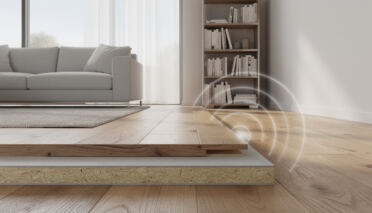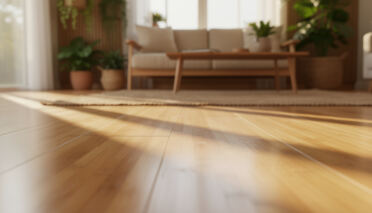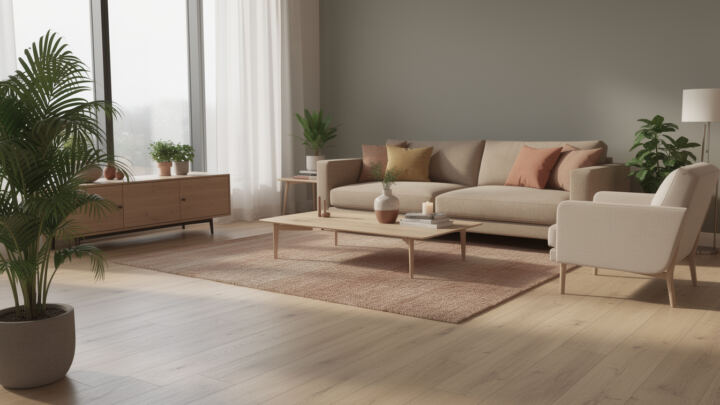
Floors don’t just sit there and “go with everything.” They control the vibe of a room in a way people only notice when it’s wrong: the space feels cold, busy, dated, or weirdly unfinished. The trick to aesthetic harmony isn’t chasing a perfect match—it’s building a clear relationship between flooring, light, furniture scale, and the story your rooms tell as you move through them. A honey-toned oak can make a modern sofa look warmer (or accidentally orange). A charcoal tile can make white walls look crisp (or slightly clinical). Even the rug you toss down “for later” can become the thing that dictates the whole color palette.
To make this feel real, let’s follow a simple thread: Maya just bought a 1990s house and is doing a phased home renovation. She wants something cohesive, but not bland. Her goal is to make every room feel intentional, even if it’s mixing flooring types (hard surfaces + rugs, tile + wood look, etc.). That’s exactly where most people land in 2026—practical upgrades, smarter materials, and a style that looks pulled together on a Monday morning, not just in listing photos.
En bref
- 🧭 Treat flooring as the visual baseline for your room design—everything else “reads” against it.
- 🎨 Use color coordination by undertone (warm vs cool), not just “light vs dark.”
- 🧶 Nail texture matching by balancing smooth with soft (or rustic with clean) so the room feels layered, not chaotic.
- 🏠 Choose materials by lifestyle first—pets, kids, moisture, and cleaning habits should guide material selection.
- 🧩 Make transitions look deliberate with thresholds, runners, and consistent trim—not accidental patchwork.
How to Match Flooring with Your Interior Décor: Start with the “Visual Temperature” of the Room
If you want your interior décor to feel cohesive, start with a question that sounds a bit dramatic but works every time: does the room feel warm, cool, or neutral? That “visual temperature” comes from undertones—yellow/red (warm), blue/green (cool), or balanced (neutral). This is where most mismatches happen, because people compare samples in a store under fluorescent lights, then install them under daylight and warm LEDs at home. Suddenly, the “greige” plank looks lavender. Fun.
Maya’s living room is a good example. She’s got north-facing windows (cool light), creamy walls, and a tan leather chair she refuses to ditch. When she tested a very cool gray LVP, the leather chair looked oddly orange, like it was glowing. Switching to a neutral oak tone fixed the whole thing—same furniture, same walls, but the room stopped fighting itself. That’s color coordination doing heavy lifting without anyone noticing.
Use a simple undertone check before you buy anything
Grab two items you already own and love in that room—say, your sofa fabric and your main wood piece (coffee table, cabinet, or dining table). Compare your flooring sample against them in three lighting conditions: morning daylight, evening lamps, and overhead lighting. If the floor makes your favorite pieces look “off,” it’s not the pieces. It’s the floor.
One more move that saves money: match the floor to the largest, least-changeable elements. Floors are harder to replace than pillows. If your kitchen has a permanent black countertop, don’t choose a floor that turns it greenish. Let the floor support the fixed features, not compete with them.
Let contrast do the styling (without making it look choppy)
People hear “match” and think identical. In real room design, contrast is what adds depth. Light walls + medium floors + darker accents often look more expensive than “all medium everything.” The catch is keeping contrast consistent. If you do high contrast in one room (white walls, dark floor), then go low contrast next door (beige walls, beige floor), the house can feel like a showroom maze.
A practical way to keep flow: pick one of these to repeat across the home—either a similar floor tone, a repeated rug fiber (like jute/wool), or consistent trim color. That repeating element becomes your quiet thread of aesthetic harmony, even when you mix decor styles room to room.
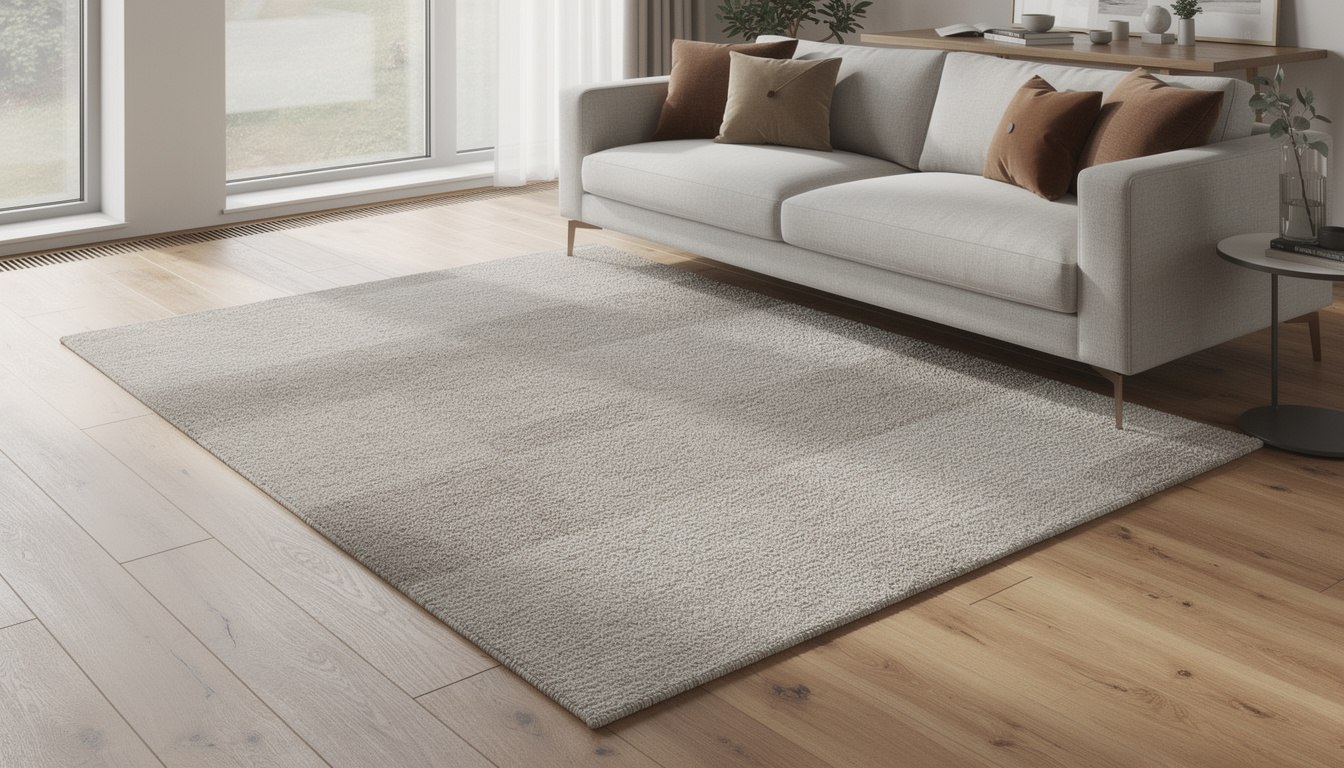
Flooring Types Explained: Picking Materials That Actually Support Your Décor (and Your Life)
Choosing among flooring types is where style meets reality. The dream is “timeless and elegant.” The reality is muddy shoes, a dog that skids around corners, and a kitchen that sees three spills before breakfast. The best-looking homes in 2026 aren’t necessarily the ones with the fanciest finishes—they’re the ones where material selection matches how people live.
Maya’s plan: hardwood feel in the main areas, something water-safe in kitchen and baths, and rugs where comfort matters. That’s a common, smart mix. The key is making those choices look intentional, not like you ran out of budget halfway down the hall.
Quick personality guide to common materials
Hardwood reads classic and warm, and it plays nicely with almost any interior décor—modern, traditional, Scandinavian, rustic. It also telegraphs “real” in a way buyers still respond to. The main downside is maintenance and sensitivity to moisture and scratches, especially in busy homes.
Engineered wood gives you a similar look with better stability. It’s often the sweet spot for people who want wood aesthetics but live with seasonal humidity swings.
Luxury vinyl plank/tile is the chameleon. It can mimic wood or stone, and the higher-end stuff in 2026 looks legitimately convincing at a glance. It’s also forgiving, which makes it a quiet hero in family homes and rentals.
Tile (porcelain/ceramic) is your durability champ, especially in wet zones. It can look modern (large format) or historic (patterned encaustic vibes). Just remember tile adds “coolness,” both visually and literally, so décor needs warmth—wood tones, textiles, softer lighting.
Natural stone is dramatic and unique, but it demands care. It’s less “set it and forget it” and more “respect the material.” If your décor leans luxe or old-world, stone can feel perfect.
A table that helps you decide without overthinking
| Flooring type | Best for | Pairs well with decor styles | Watch-outs |
|---|---|---|---|
| 🌳 Hardwood | Living rooms, dining, bedrooms | Traditional, modern, rustic | Scratches + moisture sensitivity |
| 🪵 Engineered wood | Whole-home continuity | Scandinavian, transitional, classic | Quality varies by brand/layer thickness |
| 🛡️ LVP/LVT | Kids/pets, rentals, basements | Modern, coastal, farmhouse | Cheap versions can look flat or glossy |
| 🧱 Porcelain tile | Kitchens, bathrooms, entryways | Minimalist, Mediterranean, industrial | Hard underfoot; grout needs care |
| ⛰️ Stone | Statement spaces, luxury zones | Classic, eclectic, high-end traditional | Sealing + staining risk depending on stone |
The takeaway: let your décor lead the look, but let your daily routine pick the material. That’s how you avoid the “pretty but annoying” floor that quietly makes you hate your own house.
Next up, let’s get into the part that makes rooms feel designed, not just renovated: texture matching and smart layering.
Texture Matching for Aesthetic Harmony: Layering Rugs, Carpets, and Hard Floors Without the Chaos
Texture is what turns a decent space into one that feels finished. And it’s also what can make a room look messy if you stack the wrong surfaces together. Texture matching isn’t about “everything feels the same.” It’s about balancing tactile experiences so your eye (and your feet) get variety without overload.
Maya learned this the hard way with a heavily hand-scraped wood-look floor sample. It looked great online, but in person the texture was loud—every plank screamed for attention. When she placed a chunky woven rug on top, it was like two lead singers fighting for the mic. She swapped to a calmer plank texture, then let the rug be the star. Instantly, the room looked calmer and more expensive.
Pairing textures: use contrast, but keep one side “quiet”
Here are combinations that consistently work in real homes:
- 🧸 Smooth wood + plush rug: cozy, classic, especially for bedrooms and living areas.
- 🧺 Sleek tile + flatweave runner: practical for kitchens and hallways, easy to clean.
- 🪵 Rustic grain floor + simple wool rug: you get warmth without visual noise.
- 🧱 Concrete/stone look + natural fiber (jute/sisal): adds warmth and stops the space feeling sterile.
The mental shortcut: if your hard surface already has strong patterning (like chevron, herringbone, bold veining, or busy grout lines), keep textiles simpler. If the hard surface is plain, rugs can bring in personality.
Pattern rules that don’t feel like rules
People get nervous about patterns because they picture a design disaster. A safer way to do it is thinking in “scales.” If the floor has a micro-pattern (like subtle wood grain), you can use a larger rug pattern (like oversized stripes). If the floor is visually loud, your rug should be mostly solid with maybe a border.
Also, don’t forget the “negative space” idea. A room needs rest areas. If your rug is bold, let furniture fabrics be calmer. If your sofa is patterned, keep the floor calmer. Your goal is aesthetic harmony, not a Pinterest collage.
Acoustics are part of texture, too
Hard surfaces bounce sound. That’s why open-plan spaces can feel echoey even when they look great. A rug isn’t just decoration—it’s a sound tool. If your room feels loud, add a larger rug, thicker curtains, or upholstered furniture. It changes how the space feels emotionally, not just visually.
End result: when textures are balanced, your décor feels intentional, your lighting feels softer, and the whole room design lands with less effort.
Now that the surface “feel” is handled, the next step is where most homes win or lose: going room-by-room and matching each space to its job.
Room Design That Works: Matching Flooring to Each Room’s Function (and Still Looking Cohesive)
Every room has a job, and your flooring should help it do that job. That doesn’t mean every room needs a different surface—actually, too many switches can make a house feel chopped up. The goal is consistency where it matters and purposeful changes where it helps performance.
Living rooms: comfort, zones, and “anchoring” furniture
In living rooms, hard floors with a generous area rug are usually the sweet spot. The rug anchors the seating group and makes the space feel like a destination, not a pass-through. If your rug is too small, everything looks like it’s floating. Maya went with a rug large enough that the front legs of the sofa and chairs sit on it—suddenly the layout looked planned instead of accidental.
For décor, this is where color coordination matters most because living rooms often connect visually to hallways or dining spaces. Keep a shared tone—maybe the same warm-neutral wood or the same rug fiber repeated elsewhere.
Bedrooms: softness first, style second (but you can have both)
Bedrooms should feel good underfoot. If you’re doing wall-to-wall carpet, pick something dense and not overly shaggy so it holds up and vacuums well. If you prefer wood, add a large rug under the bed, or runners on both sides. It’s one of those small quality-of-life upgrades that feels luxurious every morning.
Décor-wise, bedrooms can handle calmer palettes. Let the floor be a quiet base and bring interest through bedding texture and warm lighting. That’s how you get cozy without clutter.
Kitchens and bathrooms: water-safe floors that don’t kill the vibe
Kitchens need floors that forgive. Porcelain tile and quality LVP are popular for a reason: spills happen, and nobody wants to baby their floor while cooking. If you use tile, consider a washable runner near the sink for comfort and sound control. Choose a non-slip option, because style is not worth a wipeout.
Bathrooms are about moisture management. Tile remains the classic move, but modern waterproof vinyl can work in some setups. Add quick-dry mats and keep the palette consistent with the rest of the home so it doesn’t feel like a different building.
Hallways and stairs: the durability test
These spaces see constant traffic, so pick tough finishes and consider runners to protect surfaces. A hallway runner is also a design trick: it creates direction and makes the home feel longer and more intentional. On stairs, a well-installed runner adds grip and can introduce pattern in a controlled way.
Practical insight: if you want a home that feels cohesive, pick your “main” flooring for the majority of the square footage, then use secondary surfaces only where function demands it. That’s the difference between a thoughtful home renovation and a patchwork upgrade.
Once each room works on its own, the next step is making the whole house feel like one story—through decor styles and transitions.
Decor Styles and Seamless Transitions: Making Mixed Flooring Look Deliberate
Mixing surfaces isn’t the problem—mixing them without a plan is. A home can absolutely blend wood with tile, or vinyl with carpeted zones, as long as the transitions look intentional. This is where decor styles matter, because each style has a different tolerance for contrast.
Style-driven pairing ideas that feel current
Modern minimalist spaces like calm, matte surfaces: light wood, large neutral tile, simple rugs with subtle texture. The floor should support clean lines and negative space. If you crave pattern, do it in one controlled place, like a geometric rug.
Rustic farmhouse loves character: visible grain, wider planks, warmer tones, and textiles that feel natural. Here, a braided or vintage-style rug looks right at home. The key is keeping the room from turning muddy—add a few cleaner elements (crisp trim, simple lighting) so it doesn’t feel heavy.
Industrial decor can handle darker floors and harder surfaces, but it needs warmth from leather, wood accents, and textiles so it doesn’t feel like a lobby. A flatweave rug over concrete-look tile can do a lot.
Coastal tends to prefer lighter floors (whitewashed wood looks, pale oak, sand-toned tile) plus natural fibers. If the floor is light, you can bring contrast through navy accents without the room turning gloomy.
Bohemian/eclectic rooms often work best with a simpler floor and bolder rugs. If your décor is layered, let the hard surface stay understated so the space feels curated instead of chaotic.
Transitions that look like design, not like compromise
Three tools make transitions clean: correct profile strips, consistent height alignment, and a clear visual boundary. A wood threshold stained to match the plank can disappear (good if you want flow). A contrasting metal strip can look intentionally modern (good if you want definition). Either approach works if it’s repeated consistently.
Maya used one “rule” that kept her sane: every transition had to answer “why.” Tile at the entry because it’s wet-zone protection. Wood look in the living areas because it’s warmer. Rugs to soften acoustics and define zones. When there’s a reason, it automatically looks intentional.
A quick checklist before you commit
- ✅ Does the transition happen at a natural break (doorway, cabinet line, change of function)?
- 🎨 Do the undertones stay friendly (warm with warm, cool with cool)?
- 🧩 Is there a repeating element (trim color, rug fiber, wood tone) that ties spaces together?
- 🧼 Will you still like cleaning it weekly?
When transitions make sense, the house feels designed as one piece—even if you used multiple flooring types. That’s the finish-line feeling people chase.
How do I choose flooring if my furniture mixes warm and cool tones?
Pick a floor with a neutral undertone (often balanced oak, light walnut, or true greige) and use rugs to bridge the gap. The floor should not push everything warmer or cooler; it should act like a referee. Then reinforce color coordination with small accents that repeat across the room (pillows, art, or curtains).
What’s the easiest way to test color coordination at home?
Bring home samples and check them in three lights: morning daylight, evening lamps, and overhead lighting. Place the sample next to your biggest décor items (sofa fabric, cabinets, countertop). If the sample changes dramatically or makes your key pieces look ‘off,’ it’s not the right undertone for that room design.
Can I mix different flooring types in an open-plan space without it looking messy?
Yes—use zoning. Keep one main flooring for most of the area, then define functions with rugs (living zone, dining zone). If you must change surfaces (like tile in a kitchen area), make the boundary intentional with a straight line aligned to cabinetry or an island, and keep undertones consistent for aesthetic harmony.
What’s the biggest texture matching mistake people make?
Letting both the hard surface and the rug be ‘loud’ at the same time—heavy hand-scraped planks plus chunky weave, or bold patterned tile plus a busy rug. Keep one surface calm and let the other add interest. That balance is what makes the room feel curated.
Which material selection is best for a busy household with pets?
High-quality LVP/LVT or dense engineered wood with a tough finish tends to be the most forgiving. Pair it with low-pile, easy-clean rugs in high-traffic zones. You get durability, easier maintenance, and the décor still looks intentional—especially during a home renovation when life is already chaotic.