En bref
- 🧭 Start with your real life: foot traffic, kids, pets, and how “messy” cooking gets—durable floors matter more than trends.
- 💧 Treat kitchens as “semi-wet” zones: prioritize water-resistant flooring and smart seam/grout strategies.
- 🧼 Make sure your choice supports easy maintenance; the prettiest floor isn’t fun if it’s stressful to clean.
- 💸 Balance flooring cost with lifespan: your kitchen remodel should feel good for 10–15 years, not 10–15 months.
- 🛠️ Match material to skill: some options are DIY-friendly, others need pro-level floor installation to avoid expensive failures.
- 🎨 Pick visuals that work with your kitchen design (cabinets, counters, lighting), not just a showroom sample.
- 📦 Compare flooring materials using a simple scorecard: waterproofing, scratch resistance, comfort, repairability, and resale.
Your kitchen is where real life happens: morning coffee spills, kids racing for snacks, pets circling the dropped crumbs, and that one dinner party where someone inevitably sloshes a glass of something across the room. That’s why kitchen flooring isn’t just a style decision—it’s a durability, cleaning, and comfort decision that you’ll feel every single day. And since kitchens are usually the priciest room to redo, you don’t want to pick a floor that looks amazing in a photo but fails under weekday chaos. In recent estimates used across the remodeling world, a full kitchen renovation often lands somewhere around the mid–five figures, and flooring can quietly eat a big chunk of that once you add prep work, underlayment, and labor. The goal is simple: choose something that handles heavy traffic, shrugs off moisture, and still looks current a decade from now. The tricky part? There are more options than ever, and they all promise the moon. Let’s cut through that and make your flooring selection feel a lot less like guesswork and a lot more like strategy.
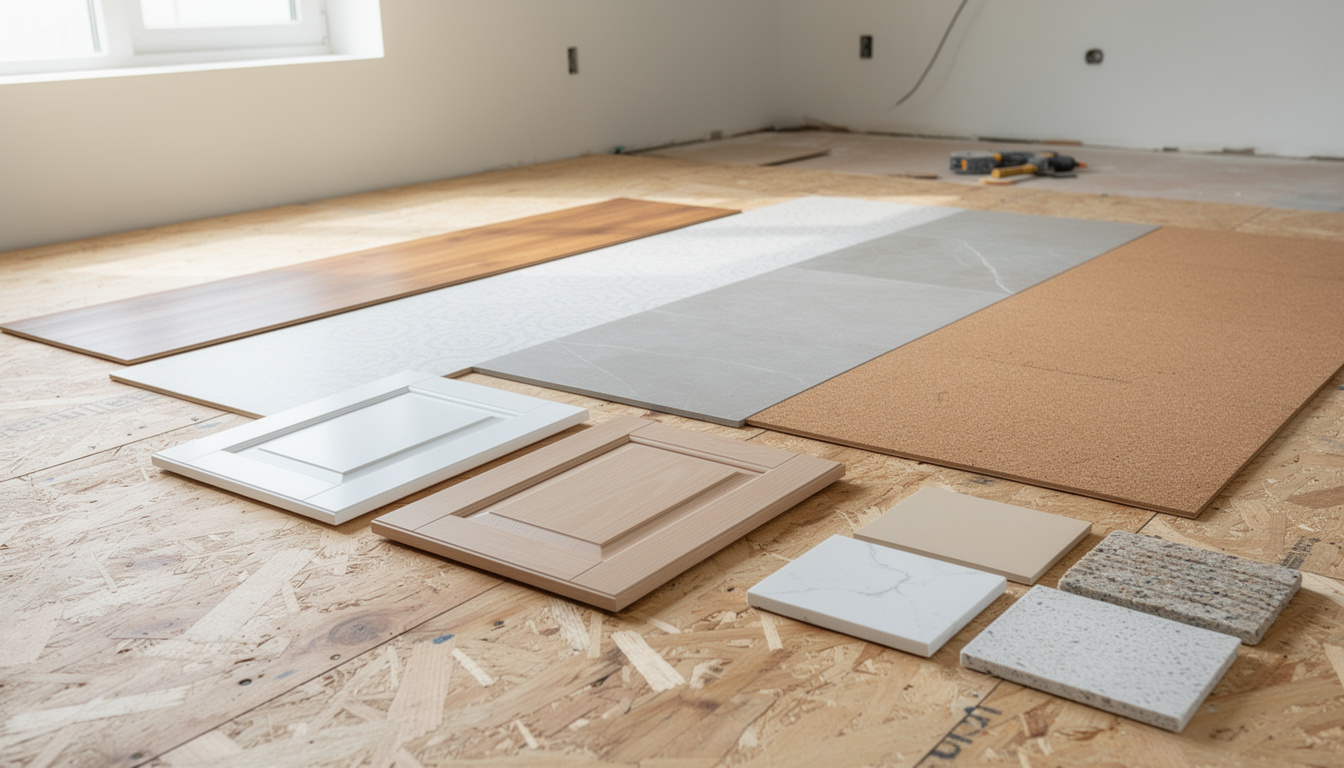
How to Select Kitchen Flooring for Real Life: Traffic, Water, and Daily Wear
If you want your kitchen flooring choice to age well, start with the boring stuff: who walks here, what gets spilled here, and how often you’ll actually clean it. Kitchens aren’t bathrooms, but they aren’t living rooms either. They’re best described as “semi-wet” work zones, meaning moisture shows up in small, frequent incidents—splashed dishwater, boiling pasta spills, melting ice, the dog’s water bowl getting kicked. That’s why water-resistant flooring (or truly waterproof surfaces) tends to outperform materials that only tolerate “a little damp.”
Durability first: what your floor needs to survive
Think about impact and abrasion. If you’ve ever dropped a cast-iron skillet, you already know the kitchen is not a gentle environment. Durable floors need to resist dents, chips, and deep scratches from chair legs, sand on shoes, and moving appliances. A quick mental test helps: if your household is shoes-on, has a big dog, or you cook daily, treat durability as non-negotiable.
Here’s a simple reality check: “hard” isn’t always “better.” Porcelain tile is incredibly tough, but it’s also unforgiving—if a glass drops, it usually shatters. Softer surfaces like cork cushion impacts, but they can scratch if you drag something heavy. Your best choice depends on which kind of damage you’re more likely to face.
Water resistance isn’t just material—it’s seams, grout, and edges
A lot of floors fail at the weak points. Sheet goods with fewer seams block water better than products with lots of joints. Tile is waterproof on the face, but grout can stain if it’s not sealed on a schedule. And wood-look products can be water-safe if their core and locking system are designed for wet areas. When comparing flooring materials, ask: where does water go when it sits for 10 minutes?
Scrubbable and sane: designing for easy maintenance
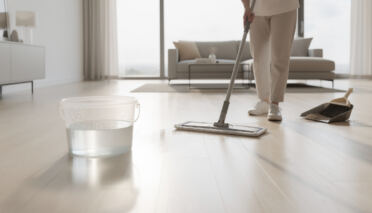
Easy maintenance isn’t about being lazy; it’s about whether your kitchen stays pleasant. If you have to baby the floor, you’ll resent it. Kitchens need finishes that handle frequent sweeping, quick mopping, and occasional deeper cleans without drama. Look for surfaces that don’t trap grime in texture and that tolerate common cleaners without dulling or staining.
A practical mindset: the best floor is the one you’ll keep clean without thinking about it. That’s the kind of decision that still feels smart years later, especially when you’re trying to protect the value of a major remodel.
Kitchen Flooring Materials Compared: Vinyl, Tile, Stone, and Cork (What Works and Why)
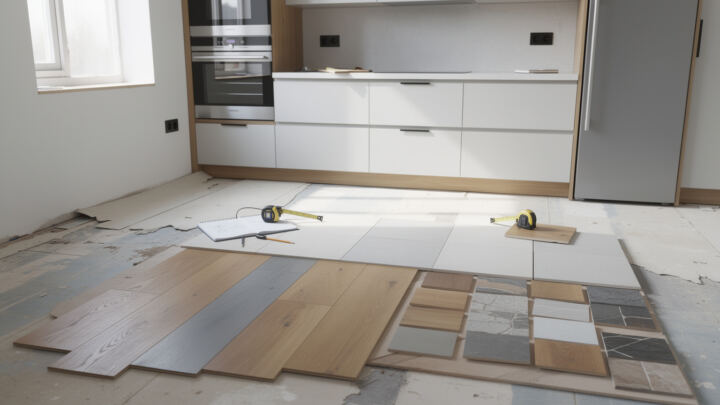
Let’s make the options concrete. Below are five common picks that show up again and again in successful kitchen renovation projects because they balance looks and performance. None is perfect for everyone, but each can be the “right” answer in the right scenario.
Sheet vinyl: fewer seams, more forgiveness
Sheet vinyl has been around forever, but modern versions look better and perform better than the older stuff people remember from decades past. The big advantage is simple: it’s installed in large rolls, so you end up with minimal seams for water to sneak through. If your household is spill-prone, that wall-to-wall protection is a big deal.
It’s also comfortable underfoot and doesn’t feel icy in winter the way some tile can. Cleaning is straightforward—regular sweeping plus occasional mopping. For flooring cost, it’s often one of the most budget-friendly paths, but professional install is usually worth it because the cuts and adhesive work need to be precise to avoid bubbles and gaps.
Luxury vinyl plank (LVP): the popular “hardwood look” without the panic
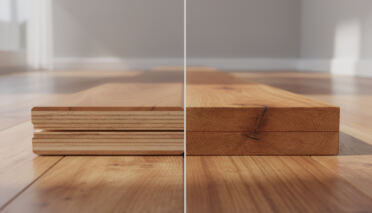
Luxury vinyl plank is popular because it looks like wood, handles water well, and is often DIY-friendly thanks to click-lock edges. It typically floats over the subfloor rather than being glued down, which can make installation faster and less messy. Another perk: many products can go over existing surfaces like tile or linoleum (assuming the base is flat and stable), which can reduce demolition time.
It’s not invincible, though. Dragging a heavy fridge can scratch or dent it, so you’ll want sliders and a little patience. If you want that warm wood vibe in your kitchen design but don’t want to worry about every splash, LVP is a very practical middle ground.
Porcelain tile: the durability champion (with a few catches)
Porcelain is fired hotter than standard ceramic, so it tends to be tougher and less absorbent. It’s an excellent choice for households that want a surface that can take serious punishment and still look sharp. But it’s hard, cold, and can be slippery when wet unless you choose a slip-resistant finish.
Installation is where porcelain gets serious. It’s heavy, needs a proper underlayment, and requires good technique with thinset and leveling. Grout is the ongoing maintenance piece: even if the tile is basically bulletproof, grout benefits from periodic sealing to reduce stains over time.
Natural stone tile: character, texture, and ongoing care
Stone floors are stunning because they’re genuinely unique—no two tiles match perfectly. Options like travertine, slate, marble, and granite bring different vibes: slate often offers great slip resistance; marble can look luxurious but can get slick when polished; granite is tough and can shine beautifully. Stone can work brilliantly in the right kitchen, especially if you love organic texture.
The tradeoff is maintenance and cost. Stone usually needs sealing on a schedule (often every few years, depending on the product and your cleaning habits). Skip that, and stains can become part of the “design” whether you wanted them or not.
Cork: warm, quiet, and nicer to stand on
Cork is the option people don’t expect to love—until they walk on it. It’s softer, warmer, and helps reduce noise, which is huge if there’s living space under the kitchen. It can handle everyday life well, and minor dents can rebound over time. That said, it can scratch, and it’s not totally stain-proof if spills sit too long.
One underrated benefit: cork can often be refinished. If you’re the kind of person who wants a floor you can “refresh” instead of replace, that’s a real advantage.
Now that the materials are on the table, the next step is deciding what fits your budget, timeline, and installation plan.
Flooring Cost and ROI for a Kitchen Renovation: Spend Smart Without Regret
It’s easy to underestimate flooring cost because the sticker price per square foot doesn’t show the full picture. A kitchen floor quote usually includes (1) material, (2) underlayment or prep, (3) labor, (4) transitions and trim, and sometimes (5) disposal and subfloor repair. That’s why two floors with similar “material prices” can land in totally different budget realities once you factor in the install details.
Typical price bands (material + install logic)
Using commonly seen market ranges for mainstream products: sheet vinyl can land around the low single-dollars per square foot for materials, with installation adding a meaningful amount depending on complexity. LVP materials often sit in the mid range, and pro install can push it higher—though DIY can reduce that if you’re confident. Tile has a broad material range, but labor is the big swing factor: proper tile work is skilled, time-intensive, and not the place to gamble if you want a flat, lasting finish.
Natural stone usually sits at the premium end because both the product and the install requirements are more demanding. Cork tends to sit in the mid range and can be DIY-friendly depending on the product format (glue-down, click-lock, or peel-and-stick), though it still benefits from good prep and careful finishing.
| Option (kitchen flooring) 🧱 | Typical material range 💸 | Install complexity 🛠️ | Water-risk score 💧 | Maintenance vibe 🧼 |
|---|---|---|---|---|
| Sheet vinyl 🟦 | $1–$2/sq ft (common quality tiers) | Medium (best with pro cutting/glue) | Low (few seams) | Easy (sweep + mop) |
| LVP (click-lock) 🪵 | $2–$10/sq ft | Low–Medium (DIY-friendly) | Low (waterproof cores help) | Easy (gentle mop) |
| Porcelain tile 🧩 | $0.50–$15/sq ft | High (underlayment + thinset + grout) | Low on tile / Medium at grout lines | Moderate (seal grout periodically) |
| Natural stone tile 🪨 | $5–$45/sq ft | High (pro strongly recommended) | Medium (needs sealing) | Moderate–High (seal + careful cleaning) |
| Cork 🍂 | $3–$9/sq ft | Low–Medium (varies by format) | Medium (good, but wipe spills fast) | Easy–Moderate (can refinish) |
ROI thinking: aim for “timeless + tough”
Many homeowners talk about resale, but even if you’re not moving soon, ROI matters in daily enjoyment and in avoiding redo costs. A well-chosen kitchen floor should feel current for roughly the 10–15 year window people expect from a major remodel. That means you’re better off picking a finish that plays nicely with multiple styles—warm neutrals, classic stone looks, or natural wood tones—rather than a super-specific pattern that screams a particular trend cycle.
One useful approach is to spend where failures are expensive. If your subfloor is questionable, budget for prep. If you’re going tile, pay for excellent setting work. A “cheap” tile install that cracks or gets lippy edges is the kind of bargain you pay for twice.
A quick case: Maya and Jordan’s remodel math
Maya and Jordan planned a midrange kitchen renovation and originally wanted stone because it looked high-end. But they had two dogs and a habit of coming in through the back door with wet shoes. They shifted to a high-quality LVP with a textured finish and invested the savings into better lighting and a strong vent hood. Their floor still reads “warm and upscale,” but cleaning is faster and stress is lower—an underrated win.
Next up: getting the floor installation right, because even the best product can fail if the base is wrong.
Floor Installation That Lasts: Subfloor Prep, Layout Tricks, and Common Mistakes
Here’s the part people skip on social media: a floor is only as good as what’s under it. Subfloor prep isn’t glamorous, but it’s the difference between a kitchen that feels solid and one that squeaks, shifts, or cracks. If you’re serious about flooring selection, treat installation strategy as part of the product choice, not an afterthought.
Subfloor reality: flat beats “almost flat”
Most modern products—especially floating planks—need a flat surface more than they need a thick surface. A floor that’s slightly wavy can lead to movement, joint stress, and premature wear. Before any floor installation, check for dips and high spots, then use leveling compound or sanding as needed. Tile is even less forgiving; unevenness telegraphs through and can crack grout or tile.
Moisture management: kitchens punish shortcuts
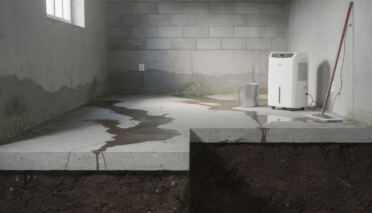
Moisture comes from above (spills) and sometimes from below (slabs, crawlspaces, or small plumbing leaks). Using the right underlayment, vapor barrier, and perimeter expansion gaps matters. Sheet vinyl is great at blocking spills from reaching the subfloor, but seams and edges must be sealed correctly. Click-lock products need proper edge spacing so they can expand and contract without buckling.
Layout and visual strategy: make the room look bigger (without trying too hard)
Plank direction affects how your kitchen feels. Running planks along the longest dimension often makes the space look more open. Large-format tile can look sleek and reduce grout lines, which can help with easy maintenance, but it demands a flatter base to avoid lippage. If your kitchen has an island, think about sightlines from the main entry—what do you want people to notice first?
Common mistakes (and how to avoid them)
- 🚫 Skipping appliance planning: use glides, coasters, or protective boards when moving refrigerators and ranges to avoid dents and scratches.
- 🚫 Choosing glossy finishes in spill-heavy homes: a little texture can improve grip on water-resistant flooring.
- 🚫 Underestimating transitions: plan clean edges where kitchen meets adjacent rooms to prevent tripping and to keep the design intentional.
- 🚫 Ignoring grout care: if you choose tile, commit to sealing schedules so the floor stays sharp instead of looking “perma-dirty.”
- 🚫 Mixing too many bold patterns: in a busy kitchen, calmer floors often make the whole kitchen design feel more expensive.
When the installation plan is solid, you’re free to focus on how the floor supports the look of the space—without sacrificing everyday performance.
Kitchen Design Meets Function: Color, Texture, Comfort, and Cleaning Habits
A kitchen floor is basically the largest “furniture piece” in the room, so it has huge influence over how your renovation feels. But design doesn’t have to fight performance. In fact, the best outcomes happen when aesthetics and practicality are chosen together, like they’re on the same team.
Color and pattern: hide the right mess
Pure white floors look amazing—until you cook. Super-dark floors can show dust and crumbs like a spotlight. Mid-tone wood looks, gentle stone looks, and lightly varied patterns tend to be the sweet spot for real kitchens because they disguise everyday grit without looking busy. If you’re choosing tile, consider grout color as part of the design, not an afterthought.
Texture and sheen: slip resistance without “roughing it”
High-gloss finishes photograph well, but kitchens need traction. A matte or lightly textured finish can reduce slip risk when someone steps on a wet patch. This is one reason slate and honed stone finishes stay popular: they feel natural, they’re forgiving, and they don’t scream for constant polishing.
Comfort underfoot: the standing test
If you cook a lot, you stand a lot. Hard surfaces can lead to fatigue, especially at the sink and stove. Cork and some vinyl constructions offer a softer landing. Tile and stone can still work if you build comfort in other ways—anti-fatigue mats, smart work zones, and warm-toned lighting to keep the room feeling inviting even when the materials are cool.
Maintenance habits: be honest, then pick accordingly
If your idea of cleaning is a quick sweep and an occasional mop, pick a floor that loves that routine. Vinyl and porcelain are generally low-stress. Stone can be totally manageable, but it asks more from you: appropriate cleaners, periodic sealing, and quick attention to spills. The best-looking stone kitchens are usually owned by people who enjoy that kind of care.
A design snapshot: one floor, three styles
Imagine the same warm oak-look LVP in three different kitchens. In a modern space, it pairs with flat-front cabinets and black hardware. In a farmhouse vibe, it works with shaker doors and a chunky apron sink. In a classic look, it supports off-white cabinets and simple brass pulls. That’s the magic of choosing a floor that’s visually flexible: it gives your renovation room to evolve.
To wrap up the practical side, the questions people ask most often tend to be about waterproofing details, installation choices, and long-term upkeep.
Is waterproof kitchen flooring really necessary, or is water-resistant enough?
If your kitchen regularly sees spills, pets, or kids, waterproof surfaces (like sheet vinyl or many LVP products) reduce the risk of subfloor damage. Water-resistant options can still work, but they rely more on quick cleanup and correct sealing at seams, edges, or grout lines.
What’s the biggest mistake people make during floor installation?
Skipping subfloor prep. Even premium flooring materials can fail if the base isn’t flat, clean, and stable. Leveling and moisture control are boring steps that prevent squeaks, cracked grout, and plank separation later.
Which kitchen flooring option is easiest to maintain day to day?
For most households, vinyl (sheet or LVP) and porcelain tile offer the simplest routine: sweep often and damp-mop as needed. Tile does require occasional grout care, while vinyl needs protection from dragging heavy appliances.
How do I choose flooring that won’t look dated in 10 years?
Stick with versatile visuals: natural wood tones, stone-inspired looks, and balanced mid-tone colors. Avoid overly trendy patterns that dominate the room. Timeless doesn’t mean boring—it means your kitchen design can change around the floor without clashing.
Can I install new flooring over existing tile or linoleum during a kitchen renovation?
Often yes, especially with click-lock LVP, as long as the existing surface is flat, firmly attached, and not hiding moisture issues. For the best result, confirm height transitions (dishwasher clearance, adjacent rooms) and follow the manufacturer’s specs for underlayment and expansion gaps.