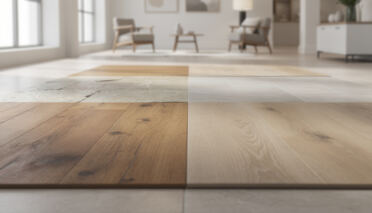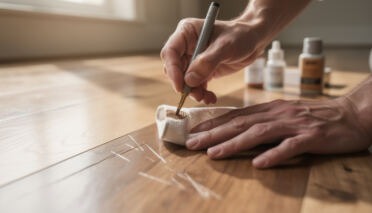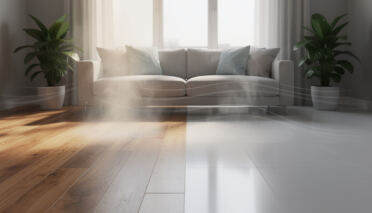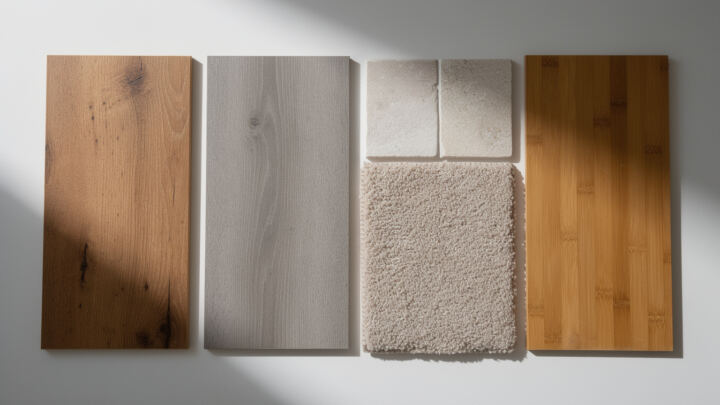
- 💸 Flooring cost isn’t just the sticker price: the real number comes from a cost breakdown that mixes material cost, installation cost, prep work, and waste.
- 🧱 The biggest spread is between soft surfaces (think carpet pricing) and long-haul premium picks like hardwood flooring, tile flooring, and natural stone.
- 🛠️ Subfloor repairs, underlayment, old floor removal, furniture moving, and tricky cuts can quietly add dollars per square foot.
- 🚿 Moisture changes everything: kitchens, baths, and basements tend to push buyers toward LVP and tile, shifting the budget even if the room is small.
- 📊 A smart cost comparison looks at lifespan and maintenance, not just the installed price per square foot.
Flooring upgrades are one of those home projects that feel simple until you start adding up the receipts. A plank looks like a plank, a tile looks like a tile—then you realize one choice is forgiving, another one demands a perfect subfloor, and a third one eats your budget in “small stuff” like transitions, trims, and underlayment. In 2026, homeowners are still dealing with a split market: bargain material promos are easy to find, but skilled labor (especially for tile and finish carpentry) can jump fast depending on where you live.
The trick is to stop thinking in single numbers and start thinking in a clean cost breakdown. What are you paying for the surface itself? What are you paying for the work? What are you paying for the room to be ready for that work? Once you see those layers, comparing flooring types becomes a lot less emotional and a lot more practical. And yes—your lifestyle matters. A rental, a busy family kitchen, and a “shoes-off” formal living room can justify totally different spending choices, even at the same square footage.
Flooring Cost Breakdown Basics: What You’re Actually Paying For
If you’ve ever gotten two quotes that don’t even look like they belong to the same planet, it’s usually because one quote is a surface-level number and the other is a real-world flooring cost plan. Most projects land somewhere in a big range (often a few thousand dollars all-in), but your exact total depends on how many “hidden line items” your home triggers.
Material cost vs. installation cost (and why the split matters)
Start with the two pillars: material cost (what you buy) and installation cost (what it takes to make it look right). Materials can be cheap and still be expensive to install—tile is the classic example. On the flip side, some mid-priced floating floors go down quickly, which can keep labor calmer.
Here’s the mindset shift: when you compare options, don’t just compare product tags. Compare total installed cost per square foot. That’s the number that decides whether you’re repainting next month or eating ramen noodles for a while.
The “prep tax”: subfloor, leveling, and old floor removal
Even the best floor fails on a bad base. If your subfloor is uneven, squeaky, water-stained, or just plain tired, leveling and repairs can add meaningful dollars—especially in older homes where floors dip over time. That cost isn’t glamorous, but it’s the difference between “wow” and “why does this feel bouncy?”
Removal and disposal is another sneaky one. Pulling up old carpet is usually fast. Pulling up glued-down vinyl, thinset tile, or multiple layers of past renovations can turn into a mini demolition job.
Underlayment, moisture barriers, and transitions
Underlayment isn’t one-size-fits-all. A basic foam pad for a laminate might be cheap, while an acoustical underlayment for a condo can cost more (and sometimes it’s required by building rules). Moisture barriers matter in basements and slab-on-grade homes, and skipping them is a classic “save now, pay later” move.
Then there are transitions: reducers, T-moldings, stair noses, thresholds. Individually they look minor; together they can feel like a subscription you didn’t sign up for.
Waste factors and layout complexity
Most installers plan for 5–10% extra material to cover cuts, mistakes, and a few spare pieces for future repairs. Patterned installs (herringbone, diagonal tile, mixed-width planks) can push waste higher. Tight closets, lots of doorways, and angled walls can do the same.
If you want a single rule that keeps you sane: budget the visible floor, then budget the floor you can’t see—prep, waste, and finishing details. That’s where projects either stay smooth or go sideways.
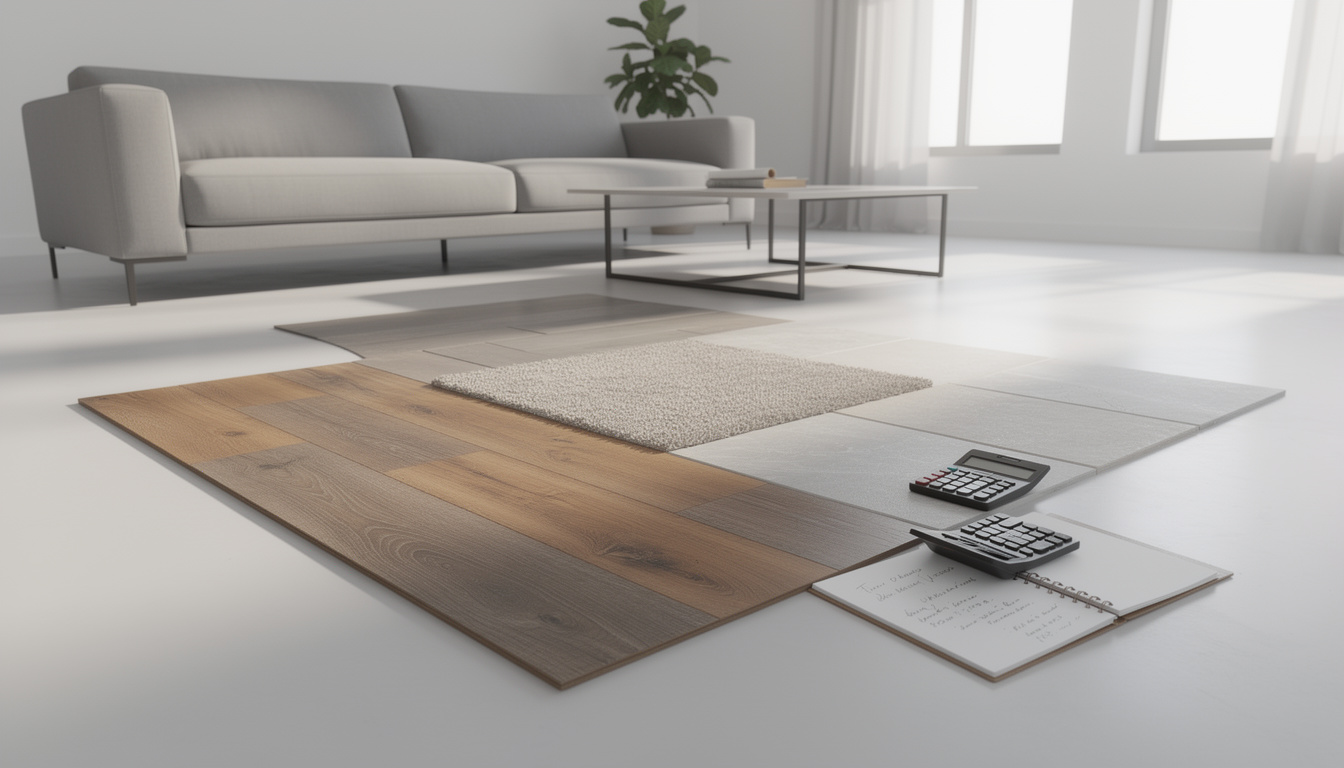
Cost Comparison Table (2026): Installed Price Ranges by Flooring Types
A clean cost comparison needs consistent units. The ranges below reflect typical U.S. pricing for standard rooms (no major structural changes). Your local labor market can push numbers up or down, and special layouts can stretch them further. Still, this gives you a practical baseline for comparing flooring types without guessing.
| Flooring Type | 💰 Material Cost (per sq ft) | 🛠️ Installation Cost (per sq ft) | 📦 Total Installed (per sq ft) | ⏳ Typical Lifespan |
|---|---|---|---|---|
| Carpet | $2–$5 | $1–$2 | $3–$7 | 5–15 years |
| Luxury Vinyl Plank (LVP) | $2–$5 | $1–$3 | $3–$8 | 10–25 years |
| Vinyl Sheet | $1–$3 | $1–$4 | $2–$7 | 15–25 years |
| Laminate | $1–$3 | $2–$8 | $3–$11 | 15–25 years |
| Engineered Wood | $4–$10 | $4–$8 | $8–$18 | 20–30 years |
| Solid Hardwood | $5–$12 | $3–$8 | $8–$20 | 20–100+ years |
| Ceramic Tile | $1–$5 | $5–$12 | $6–$16 | 25–50 years |
| Porcelain Tile | $3–$12 | $5–$15 | $9–$27 | 25–50+ years |
| Natural Stone | $6–$20 | $10–$25 | $16–$45 | 40–100+ years |
| Bamboo | $3–$7 | $2–$6 | $5–$13 | 20–25 years |
| Cork | $2–$8 | $3–$7 | $5–$15 | 25–40 years |
Notice the pattern: the biggest “labor multipliers” tend to be tile and stone, because the craft is slower and the substrate has to be right. Meanwhile, vinyl flooring cost (especially sheet vinyl or click LVP) often stays competitive because installation can be quicker and more forgiving.
Next up, the numbers get real when you zoom into each material and ask, “What does this feel like to live with?”
When people say they “hate their floors,” it’s usually not about the spreadsheet. It’s about a wet dog sprinting through a hallway, a toddler dropping a cup, or a chair scraping in a home office. That’s why the next sections get into what you’re buying beyond the surface.
Budget-Friendly Flooring Types: Carpet, Vinyl, and Laminate Costs in Real Homes
Affordable doesn’t have to mean flimsy, but it does mean you need to match the product to the room’s personality. If the space is low traffic and dry, you can get away with more. If it’s a mudroom, kitchen, or basement, “cheap” can turn expensive fast.
Carpet pricing: the cozy shortcut (with some fine print)
Carpet pricing tends to be attractive because the installed total can sit in the $3–$7 per sq ft zone, and the install is usually quick. Bedrooms, playrooms, and upstairs areas often benefit from the warmth and sound absorption.
The tradeoff is longevity and stains. In a busy household, carpet can develop traffic lanes that never quite bounce back. A real-life example: a 1,000 sq ft upstairs carpet refresh might be budget-friendly today, but if the family has pets and kids, replacement could come sooner than expected—sometimes closer to the 5–10 year mark than the 15-year dream.
Vinyl flooring cost: why LVP keeps winning kitchens and basements
Vinyl flooring cost varies by format, but it’s often the best “stress-free” money you can spend. LVP commonly lands around $3–$8 installed, while vinyl sheet can be as low as $2–$7 installed. The appeal is obvious: water resistance, easy cleanup, and fewer panic moments when something spills.
Here’s the part people miss: not all vinyl is created equal. Thicker wear layers and better locking systems can cost more upfront but save you from edge chipping or visible wear. If you’ve got a big open-plan space, a slightly higher-grade LVP can feel less hollow and look more consistent under changing light.
Laminate: wood vibes on a budget, with moisture limits
Laminate can mimic hardwood looks for a lower material cost, but the labor range can swing widely—often because of trim work, room complexity, and subfloor conditions. Installed totals frequently sit around $3–$11 per sq ft. In a dining room or living room, laminate can look genuinely sharp.
Moisture is the landmine. Laminate generally doesn’t love standing water, and once a plank swells, refinishing isn’t a reset button. If you’re choosing laminate for a kitchen, you’ll want excellent edge sealing habits and a fast cleanup lifestyle—otherwise LVP is usually the calmer choice.
A quick decision checklist for budget floors
- 🏡 If the room is dry and quiet, carpet or laminate can be a comfy win.
- 🚿 If the room is moisture-prone, LVP or sheet vinyl usually offers better peace of mind.
- 🐾 If you have pets, prioritize scratch resistance and easy cleaning over “softness.”
- 📏 If the layout is full of angles, expect more waste and more cuts (and a higher bill).
Budget floors aren’t “lesser,” they’re just strategic. The next step is what happens when you spend more for resale value, refinishing potential, and that unmistakable feel underfoot.
Hardwood Flooring and Engineered Wood: Price Drivers, Value, and Tradeoffs
Hardwood flooring is still the emotional favorite in a lot of U.S. homes. People associate it with quality, resale, and that clean look that works with almost any style—from mid-century to modern farmhouse to minimalist. The numbers, though, are where expectations need to be realistic.
Solid hardwood: higher upfront, long runway
Solid hardwood commonly lands around $8–$20 per sq ft installed when you combine material cost (often $5–$12) and installation cost (often $3–$8). That range exists because species, plank width, grade, and local labor prices can change everything.
What do you get for it? A floor that can last decades—sometimes well beyond 50 years—because it can be refinished. That refinishing ability is basically a financial cheat code: one good sand-and-finish cycle can make a tired floor look new again without paying for brand-new material.
Story time: imagine a couple, Maya and Jordan, buying a 1990s home with scratched oak. They pay to refinish rather than replace, and suddenly the whole place feels updated. That’s not just aesthetics—it’s a cost move that can free budget for lighting, paint, or a bathroom refresh.
Engineered wood: stability and speed, with limits
Engineered wood typically runs $8–$18 installed. The reason many people choose it is stability: it tends to handle humidity changes better than solid wood, making it useful in climates where seasonal swings are intense. It can also be easier to install, depending on the system.
The tradeoff is refinishing. Some engineered planks can handle a refinish or two; others can’t. The thickness of the wear layer matters, and that’s not the place to wing it. If you’re paying premium pricing, you want premium specs.
Where wood costs spike: stairs, patterns, and finish work
Wood projects get pricey when you add stairs, borders, or fancy patterns. Also, the “pretty details” matter: baseboards, quarter round, door jamb cuts, and clean transitions to tile or carpet. Those can add time, and time is labor.
If you want wood in a high-moisture room, be careful. Bathrooms and some basements can be risky unless you control humidity and choose the right product. One leak can undo a lot of optimism.
Resale value isn’t magic, but it’s real
Wood can help resale, but don’t assume you’ll get every dollar back. The real value is often speed-to-sell and buyer appeal. A well-finished wood floor photographs beautifully, and in a competitive market, that matters.
Wood is where emotion and math finally shake hands—if you choose the right product for the right rooms, it’s one of the few floors that can feel like a “forever” decision.
Tile Flooring and Natural Stone: Why Labor Often Beats Material
Tile flooring is basically the opposite of carpet: hard, durable, and totally unimpressed by water—if it’s installed correctly. And that “if” is why tile often costs more to put in than people expect, even when the tile itself is inexpensive.
Ceramic vs porcelain: similar look, different toughness
Ceramic tile can sit around $6–$16 installed, while porcelain often runs $9–$27 installed. Porcelain is denser and generally more durable, which is why it’s popular for busy floors and outdoor-rated applications. It can also be slower to cut, which is one reason labor goes up.
Grout is part of the lifestyle. Light grout can look amazing in photos and then slowly become a “why did I do this?” moment in a busy entryway. Choosing the right grout color and using sealers where needed can reduce maintenance drama.
Natural stone: premium beauty, premium responsibility
Natural stone frequently lands around $16–$45 installed. It’s unique, it’s high-end, and it can last a very long time—but it asks for maintenance. Many stones need sealing, and certain finishes can show etching or staining depending on what lands on them.
Stone also demands a solid substrate. Extra underlayment layers or reinforcement might be needed, especially in older homes or upper floors. That’s not just cost—it’s also structural common sense.
Why tile installation cost climbs: flatness, layout, and time
Tile is brutally honest about imperfect floors. A subfloor that’s “good enough” for LVP might be unacceptable for large-format tile. Leveling compounds, crack isolation membranes, and careful layout lines take time, and that time shows up in the installation cost.
Design choices matter too. Straight-set is usually faster than diagonal. Mosaic sheets can be fiddly. Large tiles can reduce grout lines but increase the importance of a flat surface. You’re not just buying tile—you’re buying the craft behind it.
Where tile shines (literally and financially)
Tile makes the most sense in bathrooms, laundry rooms, mudrooms, and kitchens—places where water resistance and durability are worth paying for. If you’re prioritizing “rooms that change the feel of the home,” a great tile bath can punch above its square footage in perceived value.
Tile rewards patience: when it’s done right, it’s one of the most durable surfaces you can live on, and it looks good doing it.
Smart Budgeting Strategies: Getting a Reliable Flooring Cost Plan Without Surprises
At some point, every flooring project turns into a negotiation between your wish list and your calendar. The best budgets aren’t the tightest—they’re the most realistic. A solid plan accounts for the known costs, then gives you breathing room for the unknown.
Use a simple formula (and add a real contingency)
Start with square footage, then add line items: product, underlayment, trim, removal/disposal, subfloor prep, and transitions. After that, add a 10–15% contingency. Not because you’re pessimistic, but because houses love surprises.
Cost-saving moves that don’t sabotage quality
- 🚪 Prioritize high-traffic rooms first (hallways, living spaces). The impact is immediate with less total area.
- 🧼 Choose durable, low-maintenance picks like LVP or quality laminate for busy households.
- 📐 Stick to standard plank/tile sizes to cut waste and reduce complicated edge cuts.
- 🛍️ Hunt sales, clearance, and remnants, especially for carpet and vinyl, but verify warranty and dye lots.
- 🧰 Mix DIY and pro install: DIY a click floor in a simple bedroom, hire a pro for stairs or tile.
- 🧱 Don’t cheap out on underlayment/moisture barriers where they matter—repair costs hurt more later.
- 📅 Consider staged installs to spread costs and keep life manageable.
Compare quotes like a grown-up (not like a shopper)
Get at least three written estimates and make sure they specify what’s included. Does the quote include moving furniture? Does it include baseboards? What about leveling? If one number is dramatically lower, it’s often because something is missing, not because someone found a secret discount.
Also, ask about scheduling. In some markets, the best installers are booked out, and urgency can raise costs. Flexibility can be its own discount.
Life-cycle thinking: the cheapest floor can be the most expensive
It’s tempting to buy the lowest installed price and call it a win. But if you replace it in seven years while a pricier option would have lasted twenty, your “deal” wasn’t really a deal. Think in years, not weekends.
If you want the cleanest final insight: the best flooring budget is the one that matches your home’s realities—traffic, moisture, and maintenance habits—so you’re not paying twice for the same square footage.
If you’re price-checking local labor and materials, you can also explore quick quote options from local networks: Call 877-761-0420. It’s often the fastest way to see how your region shifts the baseline numbers.
What’s the biggest reason two flooring quotes can be so different for the same room?
Most price gaps come from what’s included: subfloor leveling/repair, removal and disposal of old flooring, underlayment or moisture barriers, trim and transition pieces, and furniture moving. Always ask for an itemized cost breakdown so you’re comparing the same scope of work.
Is LVP really cheaper than hardwood flooring long-term?
Often, yes for many households. LVP usually has a lower total installed cost and strong water resistance, which reduces risk in kitchens and basements. Hardwood flooring can last much longer and be refinished, but it’s more sensitive to moisture and has higher upfront material cost and installation cost.
Why does tile flooring have such a high installation cost compared to the tile itself?
Tile is labor-intensive and demands a flat, stable subfloor. Layout, cutting, waterproofing details (especially in bathrooms), setting, grouting, and curing time all add hours. That’s why installation can outweigh material cost for ceramic and porcelain.
How much extra flooring should I buy for waste and future repairs?
A common planning range is 5–10% extra material for cuts and mistakes. If you’re doing diagonal layouts, herringbone patterns, or have lots of corners and closets, plan toward the higher end. Keeping a few spare planks/tiles can also help with future repairs.
What’s the safest budget approach if I’m renovating multiple rooms?
Pick a priority order (high-traffic spaces first), standardize sizes to reduce waste, and consider staged installation. Build a contingency of 10–15% and get at least three written quotes so you understand how regional labor rates affect the final flooring cost.