In 2026, flooring choices feel a bit like picking a phone plan: everyone has an opinion, and the “best” option depends on how you actually live. Ceramic tile keeps showing up on shortlists because it plays nice with real life—muddy shoes, steamy showers, spilled pasta sauce—while still delivering serious aesthetics. It’s tough, it’s easy to wipe down, and it can mimic everything from marble to terrazzo without demanding a luxury budget. But the same features that make it a workhorse can also make it polarizing: that solid, cool surface can be a deal-breaker if you hate cold toes, and the installation can be a weekend-killer if you underestimate how precise tile work needs to be.
The real conversation isn’t “tile: yes or no?” It’s about trade-offs: durability versus comfort, sleek surfaces versus grout upkeep, long-term value versus upfront cost. To make this concrete, we’ll follow a fictional homeowner, Maya, who’s renovating a 1990s house and trying to pick flooring that survives kids, a dog, and a love of cooking. Along the way, we’ll get into the stuff that actually matters—water resistance, slip resistance, cleaning routines, repair realities, and what designers are doing with ceramic right now. If you’re trying to avoid buyer’s remorse, this is where the decision gets real.
En bref
- ✅ Durability: ceramic tile holds up to heavy foot traffic and daily messes 🧱
- 💧 Water resistance: a smart pick for kitchens, baths, laundry rooms—especially with a good grout strategy
- 🧼 Maintenance: easy surface cleaning, but grout lines need attention (and the right sealer) 🧽
- 🎨 Aesthetics: huge range of looks, from vintage patterns to modern large-format minimalism
- 🧰 Installation: precision work; DIY is possible, but mistakes show forever
- 💸 Cost: material can be reasonable; labor and prep can be the real bill
- 🧊 Comfort: can feel cold and hard unless you plan for rugs, mats, or radiant heat
- ⚠️ Slip resistance: depends on finish and wet conditions—choose ratings wisely
What ceramic tile flooring really is (and why it behaves the way it does)
Ceramic tile flooring starts with natural clay that’s shaped, fired at high temperatures, and often finished with a glaze. That firing step is the whole point: it turns something earthy and soft into something that can handle everyday abuse. The glaze—when present—adds a protective surface that helps with staining and makes cleanup faster. Unglazed options skip that shiny shield, which gives a more natural, rustic vibe, but usually asks you to seal it so spills don’t become permanent “art.”
Maya learned this the practical way when she compared two sample boards. The glossy glazed tile looked amazing under the showroom lights, but the matte, lightly textured one felt more “real house” friendly. She has a dog that sprints in from the yard like it’s an Olympic event. A little texture can help with slip resistance, which matters more than people think until the first near-fall happens.
Glazed vs. unglazed: the small detail that changes your routine
Glazed ceramic tends to win for busy homes because it’s basically built for maintenance. You sweep, vacuum, then mop occasionally, and you’re done. It’s also less likely to absorb spills, which helps preserve aesthetics over time—no weird dark spots from last month’s red wine moment.
Unglazed can be gorgeous and less “slick-looking,” but it’s a relationship. You’ll want to seal it correctly and stick to gentle cleaners. The payoff is a surface that can hide micro-scratches and minor scuffs better, especially in an entryway that takes a beating.
Why ceramic feels hard and cool (and how to plan around it)
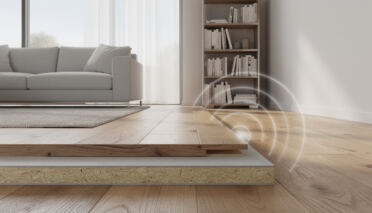
Tile is dense and doesn’t give underfoot, so comfort is the most common complaint. If you’re standing at the stove for an hour, that hardness can creep into your knees and lower back. And because tile conducts temperature well, it can feel cold in winter—even if the room itself is warm.
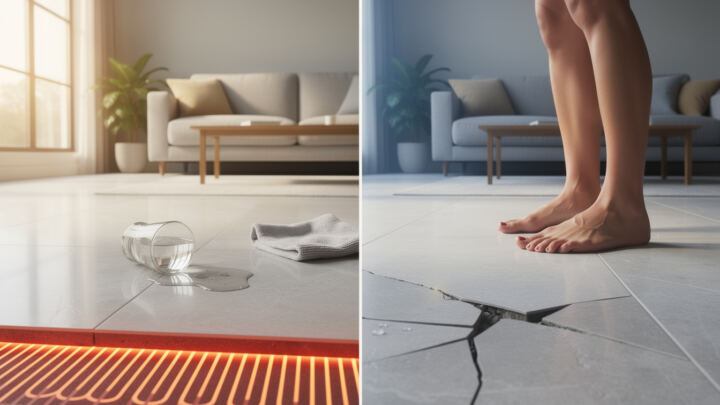
Maya’s workaround wasn’t complicated: a good anti-fatigue mat at the sink, a washable runner in the cooking lane, and—because she was already opening the subfloor—she priced out radiant heating for the kitchen. That last one isn’t mandatory, but it changes tile from “pretty but chilly” to “why didn’t we do this sooner?”
One insight to hold onto: ceramic tile isn’t just a look—it’s a material system, and the day-to-day experience depends on finish, grout, underlayment, and how you use the room.
Pros of ceramic tile flooring: durability, water resistance, and style that actually lasts
The biggest argument for ceramic tile is that it doesn’t get tired. High-traffic hallways, kitchens that see three meals a day, kids running laps—tile handles it without developing the same kind of “patina” that might look charming on wood but looks rough on cheaper laminates. This is where durability becomes more than a buzzword; it’s the difference between flooring that’s still presentable in year ten versus something you’re itching to replace in year five.
Maya’s neighbor had installed ceramic in a busy mudroom years ago. The space takes wet boots, gravel, and sports gear daily. The tile still looks clean because the surface doesn’t trap odors or absorb grime the way some softer materials can. That “boring reliability” is a real luxury.
Water resistance: the quiet superpower
If you’ve ever dealt with swelling boards or mystery stains after a dishwasher leak, water resistance starts sounding like a love language. Ceramic tile itself shrugs off moisture, and that’s why it’s a classic for bathrooms and kitchens. The real vulnerability is usually the grout and what’s underneath, which is why prep and sealing matter.
In Maya’s kitchen plan, she prioritized tile around the sink, dishwasher, and the door to the patio. That’s where puddles happen. With a decent grout choice and a sensible sealing schedule, tile is one of the least stressful options for wet zones.
Aesthetics: more options than most people realize
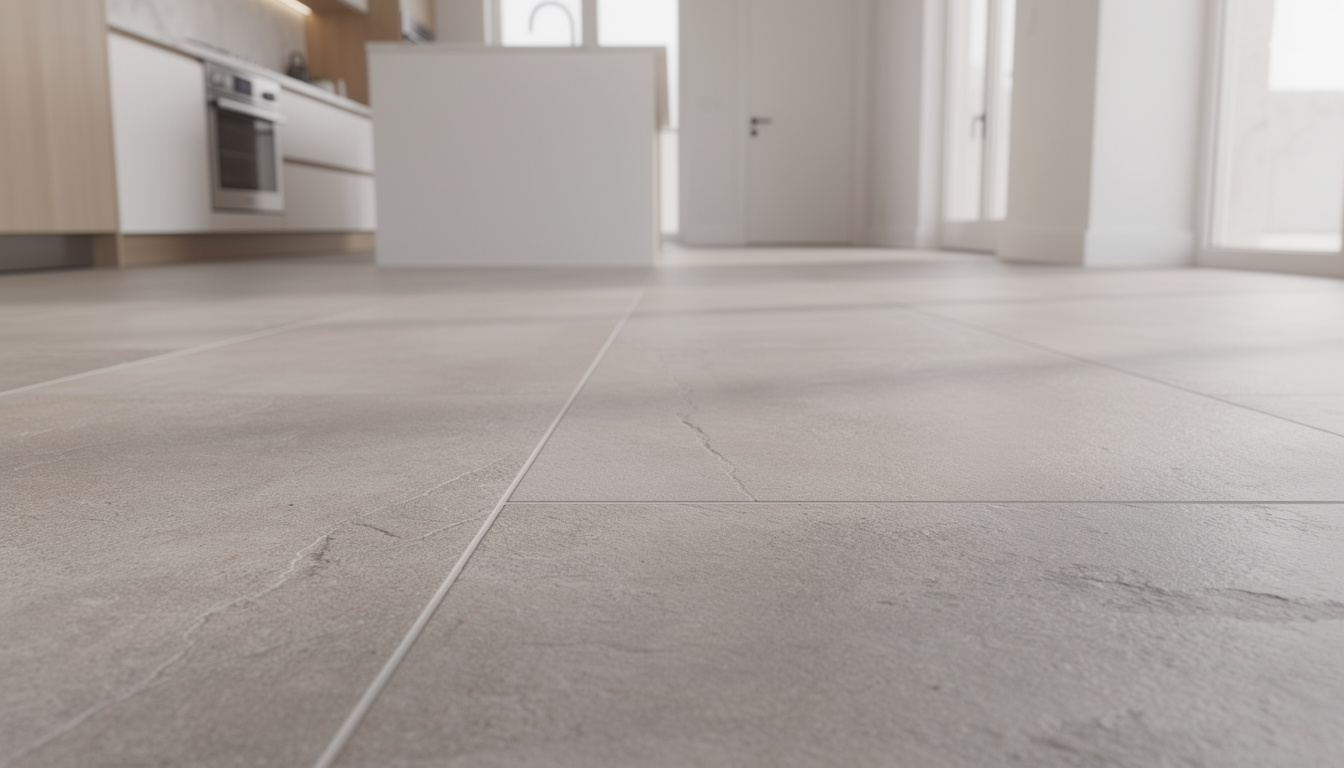
Design-wise, ceramic is a playground. You can go vintage with patterned squares, modern with big slabs and thin grout lines, or cozy with warm, earthy tones. Glazed finishes can look polished and bright, while matte surfaces feel calmer and more forgiving.
One underrated perk: if a single tile cracks, you can often swap just that piece instead of ripping out the entire flooring. Maya liked that “modular repair” idea. Life happens—dropped cast-iron pans happen—so being able to fix one spot is a practical kind of beautiful.
Everyday maintenance that doesn’t run your life
For most households, maintenance is basic: sweep or vacuum grit (grit is what scratches finishes), then mop when it needs it. Tile doesn’t demand special conditioners or constant babying. That’s a big reason it stays popular with landlords and busy families alike.
The key insight: the pros of ceramic tile aren’t flashy—they’re cumulative, and you feel them more every month you don’t have a flooring crisis.
If you want to see real-world installs and style options, it helps to watch a few walkthroughs before buying.
Cons of ceramic tile flooring: comfort, grout hassles, slippery moments, and install headaches
Tile’s drawbacks aren’t minor “preferences.” They’re the kind of thing that can make you regret the decision if you didn’t plan ahead. The top complaint is still comfort: tile feels hard, and in cool climates it can feel cold for a big chunk of the year. If your home is the “shoes off” type, you’ll notice it immediately.
Maya did a test: she stood on a sample tile for ten minutes while chopping vegetables. It wasn’t unbearable, but she could tell it wasn’t going to feel like cork or carpet. That’s when she added comfort planning to the budget instead of treating it as an afterthought.
Grout: the part nobody posts on Instagram
The tile itself is easy. The grout is where the floor can start looking “old” even when the tile is fine. Light grout in a kitchen can pick up stains. In entryways, it can darken from tracked-in dirt. Regular cleaning helps, but the best defense is picking the right grout type and color in the first place.
Maya chose a mid-tone grout that matched the tile. It didn’t show every speck, and it still looked intentional. She also asked the installer about sealing schedules and which cleaners to avoid, because harsh chemicals can degrade grout over time.
Slip resistance: it depends on finish, not wishful thinking
Tile can get slick when wet, especially polished or glossy surfaces. Bathrooms, kitchens, and any spot where kids might splash water deserve extra thought. A textured or matte finish usually improves slip resistance, and small-format tiles can help too because more grout lines can add grip.
If you’ve got elderly family members visiting or you’re designing for aging-in-place, this isn’t a minor detail. It’s a safety feature disguised as a style choice.
Installation: precision work with permanent consequences
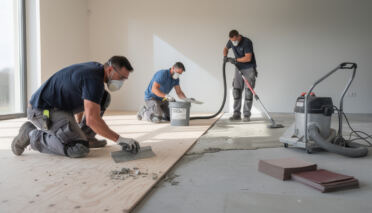
Installation is where ceramic gets expensive and stressful. Tile wants a flat subfloor, careful layout, consistent spacing, and clean grout lines. A rushed job can leave lippage (uneven tile edges), hollow spots, or cracks later. DIY can be done, but it’s not the most forgiving weekend project.
And then there’s the reality: dropped items break more easily on tile. Maya’s friend joked that tile is great for floors and terrible for mugs. That’s not wrong, and it’s part of the trade-off when you choose a hard surface.
The main insight: ceramic’s cons don’t make it “bad,” but they do demand planning—otherwise the floor ends up feeling like a beautiful hassle.
Watching installers talk through layout and subfloor prep can save you from expensive surprises.
Cost and value in 2026: what you really pay for ceramic tile flooring
When people talk about cost, they often mean the price per square foot of the tile. But with ceramic, the tile itself can be the smaller part of the total. The bigger numbers tend to come from surface prep, waterproofing in wet rooms, leveling work, underlayment, trim, and labor. In other words: you’re paying for correctness.
Maya’s quote surprised her. The tile she liked wasn’t outrageous, but the installer flagged that her subfloor had dips. Fixing that added money, but skipping it would have risked cracks and uneven edges later. Tile is stubborn: it will telegraph what’s underneath, so prep is not optional if you care about the finish.
Budgeting that matches reality (not wishful thinking)
Here’s a simple way to think about it: if you’re choosing ceramic because you want long-term durability and easy maintenance, don’t sabotage that by cutting corners on prep or grout. The floor is only as good as the system holding it up.
To make decisions easier, Maya compared ceramic to other common options based on the stuff she actually cared about: wet mess tolerance, upkeep, feel underfoot, and repairability.
| Factor | Ceramic Tile | Hardwood | Carpet | Luxury Vinyl |
|---|---|---|---|---|
| Durability 🧱 | High (chips/cracks possible from heavy impact) | Medium (scratches/dents) | Low–Medium (wear paths) | Medium–High |
| Water resistance 💧 | High (watch grout/subfloor) | Low–Medium | Low | High |
| Maintenance 🧼 | Easy surface; grout needs care | Moderate (special cleaners) | Higher (deep cleaning) | Easy |
| Comfort 🧊 | Low–Medium (hard/cool) | Medium (warmer feel) | High | Medium |
| Installation 🧰 | Hard (precision + prep) | Medium–Hard | Medium | Medium |
| Aesthetics 🎨 | Very versatile | Classic, warm | Cozy, limited “wow” factor | Versatile, trends fast |
Value over time: where ceramic quietly wins
Even if the upfront bill stings, ceramic can pencil out when you look at lifespan and resilience. Properly installed tile can last for decades, and you’re less likely to replace it because of wear. It’s also helpful in resale because buyers recognize it as a “real” material, not a temporary fix.
Maya’s final budget included one extra box of tiles stored in the garage. That small add-on turned into an insurance policy: if a tile ever cracks, she can match it perfectly without hunting discontinued stock.
The key insight: ceramic’s value story is strongest when you plan for the long game—prep, proper grout, and a few smart comfort upgrades.
Best-use playbook: where ceramic tile flooring shines (and where it fights you)
Choosing ceramic tile isn’t just about liking the look. It’s about matching material to lifestyle and room behavior. A bathroom is basically a moisture lab. A kitchen is a spill-and-impact arena. A living room is a comfort zone. Ceramic excels in some of these and needs extra support in others.
Maya’s house had all three personalities. She wanted one consistent style, but she also didn’t want a floor that felt like a compromise everywhere. So she used ceramic strategically: heavy-use, spill-prone areas got tile; comfort-first spaces got a softer surface.
Kitchens: practical, but plan for the body and the grout
In kitchens, ceramic is a star because it resists stains, handles heat, and doesn’t panic when a pot boils over. You can keep it looking sharp with straightforward maintenance. The trade-off is standing comfort, so mats and thoughtful layout matter.
Also, kitchens are where grout gets tested hardest. Between cooking grease, traffic, and crumbs, the lines can discolor. Choosing a grout color that doesn’t betray you—and sealing it—keeps the floor looking intentional instead of “tired.”
Bathrooms and laundry rooms: water resistance with a safety checklist
This is tile territory. Water resistance is the reason, but safety is the fine print. Go for finishes that prioritize slip resistance, especially in kid bathrooms or guest baths where towels end up on the floor. If you’re building a curbless shower or a wet room vibe, the installer’s waterproofing skills matter as much as the tile choice.
Entryways and mudrooms: the “real life” zone
If you deal with rain, snow, or dusty summers, ceramic is a solid choice. It doesn’t trap odors, it doesn’t mind grit, and it’s easy to sweep. Maya added a bench area and a washable rug to catch debris before it hits the tile. That one move reduced cleaning time more than any fancy product ever could.
Bedrooms and living rooms: possible, but only if you solve comfort
People do use ceramic in living areas, especially in warm climates or modern homes that lean minimal. If you go that route, treat rugs as part of the design, not an afterthought. Radiant heat can turn the whole experience around, but it changes the project scope and cost.
A quick checklist Maya used before committing
- 🏠 Where will wet shoes, pets, or spills happen most often?
- 🧊 Will I hate the feel underfoot without rugs or heating?
- ⚠️ What level of slip resistance do I need for kids/guests?
- 🧰 Do I have a plan for installation prep (flat subfloor, waterproofing)?
- 🎨 Does the tile’s aesthetics still look good under my home’s lighting?
The takeaway: ceramic shines when you place it where it naturally dominates—wet, messy, high-traffic zones—and support it where it’s weaker, especially underfoot comfort.
Is ceramic tile flooring a good choice for high-traffic homes with pets?
Yes—ceramic tile is known for strong durability and it doesn’t hold odors or allergens like some softer flooring. Choose a finish with decent slip resistance for pets, and keep grit swept up to protect the surface and grout.
How do I keep grout from looking dirty on ceramic tile?
Pick a grout color that matches the tile tone (mid-tones hide everyday dirt better than bright white), seal it as recommended, and clean with pH-neutral products. In kitchens and entries, a regular quick scrub of grout lines prevents buildup from becoming permanent-looking stains.
Is ceramic tile slippery when wet?
It can be, especially glossy glazed tiles. For bathrooms, laundry rooms, and kitchens, prioritize textured or matte options and consider smaller tiles where additional grout lines can improve grip. Mats in splash zones also help.
What usually drives the cost of ceramic tile flooring up?
Labor and prep. Leveling the subfloor, waterproofing in wet rooms, careful layout, and quality grout work often cost more than the tile itself. Paying for proper installation tends to protect long-term durability and reduces the risk of cracks.
Can I replace one cracked ceramic tile without redoing the entire floor?
Often, yes. If you have spare tiles and the original installation was done well, a pro can remove and replace a single damaged tile. Keeping an extra box from the original batch is a smart move for color and pattern matching.