In brief
- 🛁 Prioritize floor safety by choosing surfaces with strong wet-grip ratings (look for DCOF guidance when available).
- 🧱 Textured tiles, small mosaics, and smart grout choices can boost floor traction without making the room look “clinical.”
- 🧼 Your routine matters: the right floor cleaning approach helps maintain grip and prevents soap-scum “ice rinks.”
- 🧴 An anti-slip coating can upgrade existing surfaces fast, but it needs correct prep and ongoing care.
- 🧩 Layer safety where it counts: showers, tub exits, and sink zones benefit from non-slip mats and better drainage planning.
- 💧 Use waterproof materials and proper installation details (slope, membranes, transitions) so safety doesn’t fall apart over time.
There’s a reason bathroom safety keeps showing up in renovation checklists: water, soap residue, and smooth finishes are a messy combo, and bathroom floors are where that combo turns into real injuries. In the U.S., bathroom falls still represent a huge share of at-home accidents, and the practical takeaway isn’t to make your bathroom look like a hospital—it’s to make smart, quiet upgrades that reduce risk every single day. The good news is that slip-resistant design has gotten way more stylish than it used to be. You can get warm wood-look vinyl with grip, porcelain that mimics stone but behaves better in wet zones, and even modern rubber options that don’t scream “gym floor.”
To keep this grounded, we’ll follow a simple thread: a fictional couple, Sam and Jordan, renovating a small family bathroom that also gets used by a visiting grandparent. Their goal isn’t “perfect,” it’s “safer without turning the place into an eyesore.” That’s the vibe here—practical choices, a few pro-level details, and enough examples to help you pick what works for your layout, budget, and tolerance for maintenance.
Slip-Resistant Bathroom Floors: Understanding Grip Ratings, Texture, and Real-World Risk
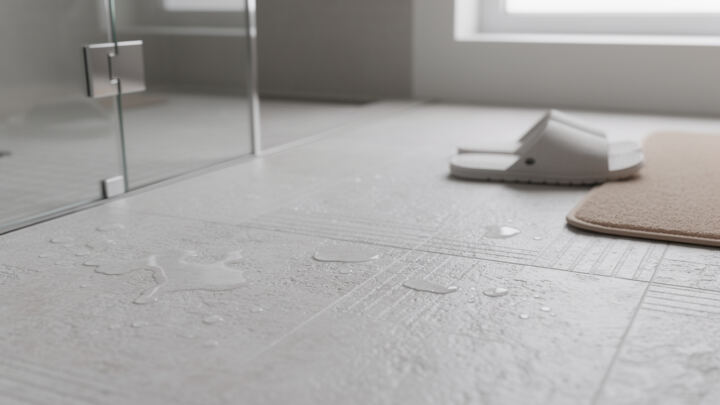
If you’ve ever stepped onto a glossy tile with wet feet and felt that tiny “whoa” moment, you already understand why floor safety starts with traction, not looks. In a bathroom, slip risk isn’t just about a sudden puddle; it’s also about invisible films from soap, shampoo overspray, hard-water minerals, and even some cleaning products that leave residue. Sam and Jordan learned this the hard way when their kid splashed out of the tub and the floor basically turned into a skating rink for a second. No injury, but it was a warning shot.
So what actually makes slip-resistant bathroom floors different? A big part is measurable grip. You’ll see references to COF (Coefficient of Friction) and, more importantly for wet areas, DCOF (Dynamic Coefficient of Friction). DCOF is the “moving” version, which is closer to how people actually slip. Many tile makers publish wet DCOF values; a common baseline you’ll hear for level interior wet areas is 0.42+. For higher-risk households—kids, seniors, anyone with mobility issues—designers often aim higher, closer to 0.6 when feasible, especially in shower approaches.
Here’s where it gets nuanced: more texture often means more floor traction, but it can also mean more effort to clean. A super aggressive surface can trap grime, which is ironic because dirty texture can get slick again. The sweet spot is a surface that feels slightly “grippy” underfoot but doesn’t look like sandpaper. Matte porcelain, lightly structured vinyl, and small-format tiles with more grout lines are popular because they balance safety with everyday livability.
Why small tiles and grout can be your secret weapon
One underrated hack is using smaller tiles (think mosaics or 2×2 formats) in wet zones. The extra grout joints create micro “edges” that improve control underfoot. In Sam and Jordan’s shower area, a small mosaic meant the surface stayed stable even when soap was involved. The grout lines basically did part of the anti-slip job for free.
Just don’t treat grout as an afterthought. Choose a grout that’s compatible with wet environments, and consider stain resistance. Epoxy grout costs more, but it holds up well against discoloration and reduces the gross “forever damp” vibe. The insight here: traction is a system, not just a tile choice.
Once you understand how grip works, picking materials gets a lot easier—and way less based on marketing buzzwords.
Best Materials for Slip-Resistant Bathroom Floors: Tiles, Vinyl, Rubber, Stone, and More
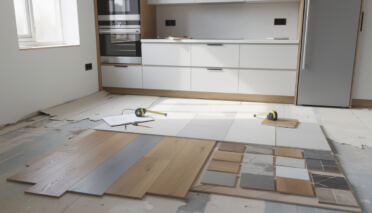
Choosing bathroom floors is basically choosing your daily experience: how it feels when wet, how it cleans, and how it ages. Sam and Jordan started with “tile is tile,” then discovered the category is huge. The key is to match the material to the zone. Your shower entrance needs a different strategy than the area behind the door where it rarely gets wet.
Textured ceramic and porcelain tiles (the classic, upgraded)
Textured tiles in ceramic or porcelain are still the go-to for a reason: they’re water-friendly, durable, and come in designs that look like stone, concrete, even wood. Look for matte or structured finishes rather than polished. If you want the look of marble without the slip drama, a stone-look porcelain with a rated wet DCOF is usually a safer bet than glossy natural stone.
Practical example: for the main floor, Sam and Jordan picked a mid-tone matte porcelain that hides water spots. Near the shower, they switched to smaller mosaics to add grip where it’s constantly wet. Same color family, different performance—no one notices until they feel how steady it is.
Luxury vinyl (LVP/LVT) with texture for comfort and grip
Modern vinyl has leveled up. A good LVP or LVT built for wet areas can be a smart, budget-aware path to slip-resistant comfort. It’s warmer underfoot than tile and can be quieter, which matters if your bathroom shares a wall with a bedroom. The big win: many products have embossed texture that improves floor traction without creating cleaning nightmares.
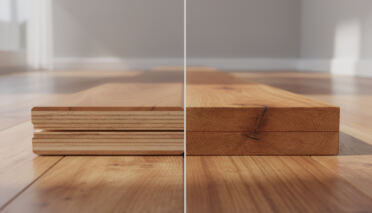
But don’t ignore the install details. Seams, edges, and transitions are where water sneaks in. If you choose vinyl, favor products marketed as waterproof and follow the manufacturer’s wet-area specs—especially around toilets and tubs.
Rubber flooring for maximum floor safety (especially for seniors)
Rubber is the underrated champion of bathroom safety. It’s naturally grippy, softens the impact if someone falls, and often has antimicrobial properties depending on the formulation. For households with an older adult using the space regularly, rubber can be a game-changer. The old complaint was aesthetics, but newer rubber tiles and sheets come in cleaner colors and patterns that fit modern bathrooms.
Sam and Jordan didn’t go full rubber floor, but they did use a rubberized solution in a high-risk zone (right outside the tub) because their visiting grandparent wanted extra confidence. The insight: you can mix strategies without making the design look patched together.
Natural stone (beautiful, but needs the right finish and care)
Stone can work, but it’s picky. Honed, tumbled, brushed, or flamed finishes can improve grip versus polished stone. Some stone types handle wet better than others, and most need sealing. If you love the look, plan the maintenance like you plan your skincare: consistent, not optional.
| Option 🧱 | Slip-resistance potential 👣 | Maintenance level 🧼 | Best use zone 🛁 |
|---|---|---|---|
| Textured porcelain tile | High (check DCOF) ✅ | Medium | All-purpose, great for wet zones |
| Small mosaic tile + grout | Very high ✅✅ | Medium-to-high | Showers, tub surrounds, transitions |
| Luxury vinyl (textured) | Medium-to-high ✅ | Low | Dry-to-damp zones, family bathrooms |
| Rubber flooring | Very high ✅✅ | Low | Senior-friendly bathrooms, kids’ baths |
| Natural stone (treated/finished) | Variable ⚠️ | High | Design-forward baths with planned upkeep |
Materials are the “what.” Next comes the “how”—because even the best surface can become sketchy with the wrong layout and install decisions.
Design Tips That Boost Floor Traction: Layout, Drainage, Transitions, and Smart Add-Ons
Think of this section as the cheat codes. You can buy a premium product and still end up with slippery trouble if water pools, transitions trip people up, or the most dangerous spots aren’t treated like… well, dangerous spots. Sam and Jordan’s contractor said something simple: “Most slips happen where people change speed.” That means stepping out of a shower, turning fast near the sink, or backing away from the toilet.
Plan wet zones like a mini water-management system
In showers and wet rooms, slope matters. A common rule of thumb is a slope toward the drain around 1/4 inch per foot, but what really matters is that water doesn’t hang out in random low spots. Standing water defeats even good slip-resistant finishes because it lets soap build up and invites hurried stepping.
Linear drains can help keep flow predictable, and they can look sleek too. If you’re renovating, this is one of those “do it once” upgrades that pays back in daily usability.
Use visual design to support bathroom safety
Bathroom safety isn’t only physical; it’s also visual. High contrast between the floor and fixtures helps people place their feet confidently—especially older adults or anyone with limited vision. If your tub is white and your floor is pale, the edges can blur under warm lighting. A slightly darker floor or a contrasting threshold tile can make the room feel more stable, psychologically and practically.
Add targeted protection: non-slip mats, but do them right
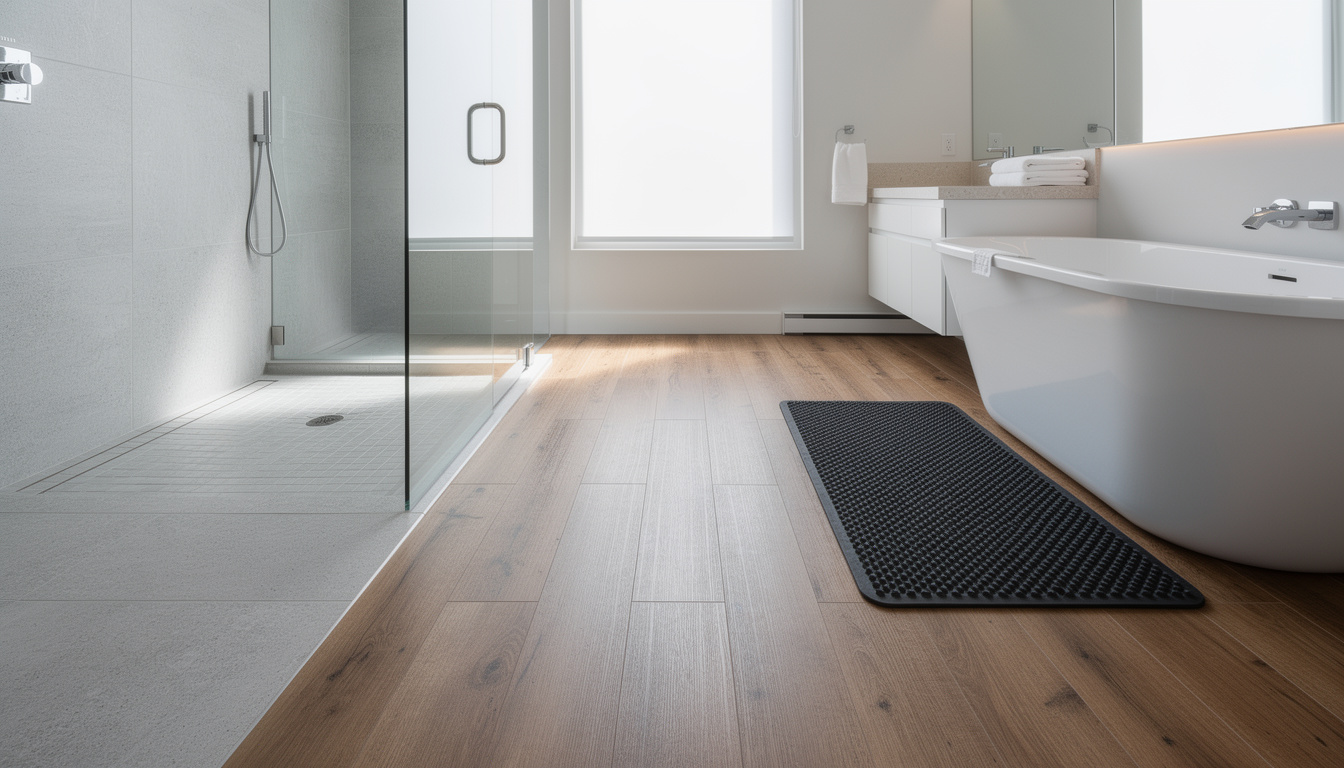
Non-slip mats are helpful, but only if they don’t become hazards themselves. Look for mats with real grip backing, edges that lie flat, and a size that covers the “exit landing” from tub or shower. Wash them regularly, because soap trapped underneath can make the floor slick and trap moisture. Sam and Jordan set a habit: mats go in the wash weekly, same day as towels. Simple routine, big payoff.
- 🚿 Place a mat where your first step lands exiting the shower or tub (not two steps away).
- 🧲 Choose a mat with a true anti-slip backing and flat edges to avoid curling.
- 🧽 Clean under the mat often so residue doesn’t reduce floor traction.
- 👟 If you have kids, keep a second mat near the sink for splash zones.
Transitions and thresholds: the sneaky danger spot
Moving from tile to wood-look vinyl, or from a bathroom into a hallway, creates a transition. If that transition is raised, sharp, or poorly beveled, it can trip someone—especially at night. For accessibility, keep level changes minimal and use proper transition pieces. If you’re aiming for ADA-friendly choices, pay attention to those details early, not at the end.
Design insight: the safest bathrooms don’t look “safe”—they just feel effortless to move through.
Now, if you love your current floor but hate how slippery it gets, coatings and treatments can be the quickest pivot.
Anti-Slip Coating and Treatments: Upgrading Existing Bathroom Floors Without Replacing Everything
Not everyone wants to demo a bathroom just to improve floor safety. That’s where an anti-slip coating (or other traction treatments) comes in. These solutions aim to change the surface interaction—either by adding a micro-texture layer or by chemically etching certain materials to create more grip. Done right, it can feel like you swapped floors without the chaos of a renovation.
What coatings do well (and where people mess up)
A quality anti-slip coating can be a strong option for ceramic, porcelain, and some stone surfaces, especially in small bathrooms where you want minimal downtime. The most common mistake is skipping prep. If there’s soap scum, waxy residue, or even “shiny cleaner buildup,” the coating bonds poorly and wears unevenly. That’s how you end up with patchy traction—grippy in one spot, slick in another.
Sam and Jordan tested a treatment on a spare tile first (smart move). They realized their everyday cleaner left a film that felt nice and glossy but reduced grip when wet. Once they switched to a residue-free routine and prepped properly, the treated area performed consistently.
Chemical etching vs. topical coatings
Some treatments lightly etch the surface (often for certain stone or tile types), while topical coatings sit on top. Etching can be subtle and long-lasting for compatible materials, but it must be done carefully to avoid aesthetic changes. Topical coatings can add more noticeable traction, but they may need reapplication in high-traffic zones.
Either way, ask these questions before committing: Is it rated for wet bathroom use? Will it change the color or sheen? What cleaners keep it performing? How long before recoat? That’s how you avoid a “quick fix” turning into a maintenance headache.
Where treatments shine: targeted high-risk zones
Sometimes you don’t need to treat every inch. Treating the tub exit zone, the shower entry, or a frequently splashed vanity area can dramatically improve real-world safety. It’s also cheaper and easier to maintain than coating the entire room, especially if you’re experimenting.
Practical insight: traction upgrades are most effective where the floor gets both wet and fast foot movement.
Once you’ve improved the surface, keeping it safe long-term comes down to cleaning choices and habits—because grime can undo grip.
Floor Cleaning for Slip-Resistant Performance: Maintenance Habits That Keep Bathroom Safety High
Here’s the annoying truth: a lot of “slippery floors” aren’t slippery because of the material—they’re slippery because of buildup. Soap scum, conditioner overspray, body oils, and hard-water deposits can form a nearly invisible layer that kills floor traction. In 2026, plenty of homes have water-saving fixtures, but that doesn’t automatically prevent residue. Less water sometimes means more concentrated product left behind.
Use the right cleaner (and avoid the too-shiny trap)
Many multi-surface cleaners leave a shine that looks clean but behaves badly in wet conditions. For most tile and vinyl, a pH-neutral cleaner is a safe baseline. If you’re dealing with hard-water haze, use a product designed for mineral deposits—just confirm it’s compatible with your surface and any sealing products. Abrasive powders or rough scrub tools can damage coatings and wear down textured finishes, which is the opposite of what you want.
Sam and Jordan settled on a simple routine: weekly clean with a mild solution, quick midweek wipe in the splash zones, and a monthly “detail” on grout lines. The floor stayed consistent underfoot, which is the goal.
Grout and texture: clean enough, not obsessive
Textured tiles and grout lines can hold onto dirt. The trick is to clean regularly so you don’t need extreme scrubbing sessions. If your grout is porous and staining, sealing can help. Epoxy grout generally needs less babysitting, but it still appreciates regular cleaning.
Daily micro-habits that prevent slips
- 🚰 Wipe standing water after showers (a 20-second move that protects bathroom safety).
- 🧴 Rinse off heavy product residue around the tub—conditioner is sneakily slick.
- 🧽 Clean under non-slip mats so trapped moisture doesn’t create slime.
- 👀 Do a quick visual check for “shiny patches” that might indicate buildup.
- 🛠️ Fix loose tiles or lifted edges early; they’re trip hazards and water entry points.
The bigger insight: the safest floor is the one that stays predictably grippy on an ordinary Tuesday.
What’s the simplest way to make bathroom floors more slip-resistant without remodeling?
Start with cleaning and residue removal to restore grip, then add targeted non-slip mats in exit zones. If the surface is still slick when wet, consider an anti-slip coating or treatment designed for your exact floor type (tile, stone, etc.), focusing first on the shower/tub approach.
Are textured tiles always better for floor safety?
Textured tiles usually improve floor traction, especially in wet areas, but ultra-rough textures can trap grime and become harder to clean. The best pick is a texture level that stays grippy when wet while still being realistic to maintain with regular floor cleaning.
What DCOF rating should I look for in slip-resistant bathroom floors?
For many residential wet-area applications, a wet DCOF around 0.42 or higher is a common target. For higher-risk households (seniors, mobility challenges, frequent splashing), aiming closer to 0.6 in key zones can add confidence—always confirm the manufacturer’s guidance for your use case.
Do waterproof materials automatically mean non-slip?
No. Waterproof materials prevent water damage, but they can still be slick if the surface is smooth or gets coated with soap film. For bathroom safety, you want waterproof materials plus a surface designed for slip resistance (texture, rating, grout strategy, or coatings) and good drainage.
How do I know if my anti-slip coating is wearing out?
Watch for areas that feel smoother than the surrounding floor, especially in high-traffic paths like the tub exit. If water starts beading differently or the floor feels less stable underfoot, it may be time for a recoat or professional evaluation—keeping traction consistent is the whole point.