Carpet has a weird superpower: it can make a room feel instantly warmer, quieter, and more “finished”… while also acting like a magnet for dust, crumbs, and mystery stains that appear the second you have guests. The good news is that most carpet disasters are totally avoidable with a simple rhythm: a little daily attention, quick reactions when spills happen, and occasional heavier-duty care that resets the whole surface. The trick is knowing what actually matters (and what’s just busywork).
Think of carpet like hair or fabric: the more grime that gets worked down into the pile, the harder it is to lift out later—plus it slowly roughs up the fibers. That’s why the basics—smart vacuuming tips, fast spot cleaning, and correct products—do more than keep things looking nice. They’re about fiber care, dirt prevention, and keeping that “soft underfoot” feeling from turning into a matted traffic-lane situation. Below, you’ll get a clear plan (with examples and a realistic schedule) to keep carpet freshness without living like you’re running a cleaning laboratory.
- 🧹 Vacuuming tips that actually extend carpet life (not just “go over it quickly”).
- 🧼 Fast spot cleaning habits to stop stains from setting in.
- 🧪 What “recommended cleaners” really means for carpet cleaning and fiber care.
- 🚪 Simple dirt prevention moves that cut mess at the source.
- ♨️ When to schedule deep cleaning (and why 6–18 months isn’t random).
- 🪑 Carpet protection tricks for furniture, matting, and heavy-traffic lanes.
Carpet Maintenance Basics: Vacuuming Tips That Keep Fibers Healthy
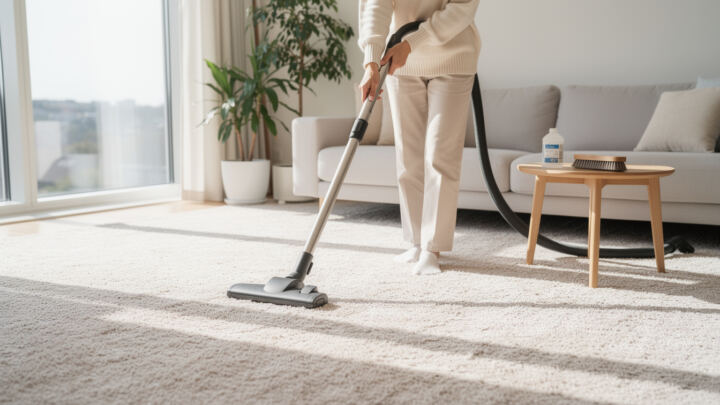
If you only nail one habit, make it this: vacuuming isn’t cosmetic—it’s structural. Dirt isn’t just sitting on top like confetti. Over time, grit gets pushed down into the pile and acts like sandpaper. Every step you take then rubs that grit against the yarn, which is why neglected carpets look “tired” even after a good carpet cleaning session.
Here’s the practical way to think about it: you’re not vacuuming to collect visible crumbs; you’re vacuuming to remove the stuff you can’t see yet. That’s the whole heart of dirt prevention. And yes, it’s also why the slow-and-steady approach wins.
How to vacuum like you actually mean it
Go slow with overlapping passes. Rushing is basically a light surface skim, especially in thicker pile. Use long, steady strokes, then repeat in the opposite direction if your carpet style can handle it. That cross-pass pattern lifts more embedded soil and keeps the pile from compressing unevenly.
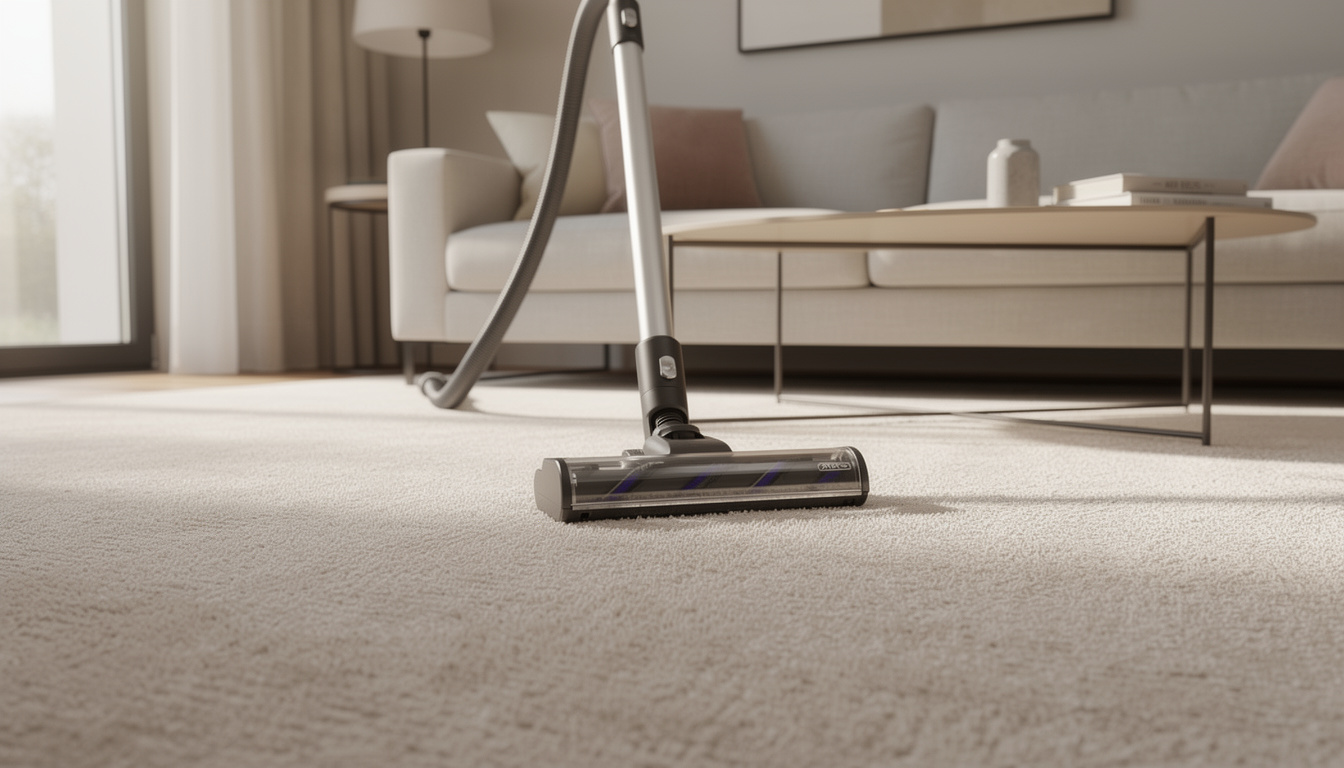
For most carpet styles, a rotating brush or beater/brush bar helps agitate the pile and loosen debris. But test it in a hidden spot first—if you see fuzzing or excessive fiber lift, adjust the height or switch modes. The goal is fiber care, not aggressive grooming.
Match the vacuum setup to your carpet style
Shag and long-yarn styles are a different animal. A fast-spinning brush can grab strands and tangle them like headphone wires in a pocket. In those cases, use suction-only or lift the brush away from the surface with an adjustable setting.
Also, don’t ignore edges. Dust settles along baseboards and corners where airflow is weaker and foot traffic pushes debris outward. Using an edge tool once a week is a small move with a big visual payoff.
A mini case: Nora’s “two-lane” living room
Nora (a very real type of person) had a living room where the walkway from sofa to kitchen looked darker, flatter, and weirdly “older” than the rest of the carpet. She wasn’t messy—she just vacuumed fast, twice a week, and never did edges.
Switching to daily quick passes on the traffic lane (two minutes) and a slower full vacuum once weekly brought back texture within a month. The lesson is simple: high-traffic areas need targeted attention, or they age in dog years. The next step is dealing with spills the right way—because even perfect vacuuming can’t undo a set stain.
Spot Cleaning and Stain Removal: The Fast Reaction Playbook
Spills are inevitable. The difference between “no big deal” and “permanent reminder of that party” is usually the first 60 seconds. The big rule: blot, don’t rub. Rubbing drives liquid deeper and frays the surface, which is the opposite of good fiber care.
Think of spot cleaning as emergency response. You’re trying to remove as much material as possible before it bonds with the fiber or wicks downward into the backing. And yes, different spills behave differently—coffee isn’t the same as oil, and pet accidents aren’t the same as red wine.
The blotting method that prevents “blooming” stains
Start with a clean, white, absorbent cloth or paper towel. Press down gently and lift—repeat. Don’t scrub in circles like you’re polishing a shoe. If the spot is large, work from the outside toward the center so you don’t spread it.
Once you’ve absorbed the excess, use a cleaner that’s designed for carpet and approved by the manufacturer when possible. Lots of carpets are stain resistant, but none are truly stain proof. Using random DIY mixtures can leave sticky residue that attracts more dirt later, making the area re-soil faster and look dingy.
Stain removal examples (and the “don’t make it worse” rule)
Wine or juice: after blotting, use a carpet-safe cleaner and keep blotting until transfer stops. Avoid hot water at first—heat can set some dyes. Finish by lightly blotting with a damp cloth to remove leftover solution.
Grease: grease spreads and clings. Blot gently, then use a cleaner formulated for carpets that can break down oily residue. Don’t over-wet; too much moisture can drive oils deeper and make the spot larger.
Pet accidents: speed matters because odor compounds can bind. Use a carpet-appropriate product aimed at organic spills, and don’t flood the area. If the smell lingers after drying, that’s often a sign the pad underneath is affected, and you may need professional help.
Quick checks in high-traffic zones
High-traffic areas deserve a daily glance. It sounds extra, but it’s basically a two-second scan while walking through the room: any new debris, crumbs, or visible spot gets handled before it’s mashed in. Pair that with vacuuming the traffic lanes daily, and you’ll dramatically improve carpet freshness.
Next up, let’s make this repeatable with a schedule—because “I’ll clean it when it looks dirty” is how carpets quietly lose the battle.
A Realistic Carpet Cleaning Schedule: Daily, Weekly, and Seasonal Carpet Maintenance
The easiest way to stay on top of carpet maintenance is to stop thinking of it as one huge task. It’s more like brushing your teeth: quick routine care most days, then deeper sessions occasionally. A schedule also keeps you from over-cleaning (yes, that’s a thing) or panic-cleaning right before someone visits.
Here’s a practical rhythm built around how carpets actually get dirty: daily traffic lanes, weekly full coverage, and periodic resets. If you’ve got kids, pets, or a busy household, shift the frequency up a notch. If you live alone and basically float through your home in socks, you can be a bit more relaxed.
Maintenance plan table you can actually follow
| 🗓️ Frequency | ✅ What to do | 🎯 Why it matters |
|---|---|---|
| Daily (busy homes) | 🧹 Vacuum traffic lanes; 👀 quick visual check for new spills | Stops soil from grinding into fibers; boosts carpet freshness |
| As needed (immediately) | 🧼 Spot cleaning + stain removal by blotting | Prevents permanent staining and wicking into the pad |
| Weekly | 🧹 Vacuum all areas slowly; 🧰 edge tool along baseboards | Improves appearance and supports long-term fiber care |
| Every 1–3 months | 🪑 Rotate/move small furniture; check entry mats | Reduces matting and uneven wear; strengthens carpet protection |
| Every 6–18 months | ♨️ Professional hot water extraction (deep cleaning) | Resets embedded soil; improves indoor feel and longevity |
Why “6–18 months” depends on your life, not a calendar
If you host often, have pets, or wear shoes indoors, you’re closer to the 6–12 month range. If your carpet is in a low-use guest room, 18 months can be fine. The point isn’t a magic number—it’s matching cleaning intensity to reality.
Also, don’t confuse “looks clean” with “is clean.” Fine particles can hide deep in the pile and gradually dull color. A planned deep cleaning is like a reset button, especially before winter entertaining or after a long rainy season.
Now that the schedule is locked in, the next move is prevention—because the cleanest carpet is the one that never gets that dirty in the first place.
Dirt Prevention and Carpet Protection: Entryways, Furniture, and High-Traffic Lanes
If you want the easiest win in carpet maintenance, focus on what happens before dirt reaches the pile. Most carpet grime is basically “outside” brought inside: dust, grit, pollen, street oils. You can vacuum perfectly and still lose the war if the entryway is a free-for-all.
Dirt prevention isn’t about being strict; it’s about setting your home up so clean floors are the default. And carpet protection is how you keep the carpet’s look consistent—no shiny crushed paths, no dents under furniture legs, no sad flattened zones where everyone stands.
Entry strategy: stop grit at the door
Use a two-mat approach: one outside for scraping and one inside for absorbing. It’s simple, but it changes everything. If you want to level up, add a small shoe area near the door. Even a casual “shoes off when it’s raining” rule reduces the grime load massively.
On wet days, moisture turns soil into a paste that clings to fibers. That’s when traffic lanes darken fastest. If you’ve ever noticed “the path” showing up after a rainy month, that’s why.
Furniture movement: the underrated anti-matting tool
Carpet hates being pressed the same way for years. Heavy furniture creates dents and compresses pile, while repeated foot traffic makes it look flat. Moving furniture periodically—even a few inches—changes compression points and helps the carpet recover.
Use protectors under heavy legs to spread weight. This is especially useful for sofas, beds, and dining chairs. It’s a small spend for a big payoff in fiber care.
A quick “lane care” routine for busy households
Traffic lanes deserve their own micro-plan: vacuum them daily (quickly), then do a slower all-room vacuum weekly. If your vacuum has height adjustment, set it correctly so it’s not bogging down or skating on top. The right setting helps lift soil without stressing the pile.
Here’s a helpful mindset: you’re not trying to make carpet immortal—you’re trying to keep wear even, so the whole room ages gracefully instead of developing obvious “routes.” Next, let’s talk products and pro cleaning, because the wrong cleaner can sabotage all the good work.
Deep Cleaning, Approved Products, and When to Call a Pro
At some point, routine care hits its limit. You can vacuum, you can do spot cleaning, and the carpet can still feel a little dull or “sticky.” That’s usually residue plus embedded soil—exactly what deep cleaning is meant to fix.
One key detail people miss: using the wrong products can create a cycle where stains seem to disappear, then come back faster because the area attracts dirt. That’s why “recommended cleaners” matters. It’s not branding fluff—it’s about chemistry that won’t leave a film or harm stain-resistant treatments.
Choosing carpet-safe cleaners without overthinking it
Look for cleaners designed specifically for carpet and aligned with manufacturer guidance. If your carpet came with care instructions or warranty terms, follow them. Registering your product and keeping basic records (like professional cleaning receipts) can also make warranty claims far less painful if you ever need them.
When you clean a spot, avoid soaking. Over-wetting can push grime into the backing or pad. Use a controlled amount, blot thoroughly, and allow full drying with airflow.
Professional hot water extraction: what it does well
Professional hot water extraction (often called steam cleaning, though it’s really hot water rinse/extraction) pulls out embedded soil that household machines can’t fully reach. It’s especially useful for whole-room refreshes, lingering odors, and overall carpet freshness.
A good pro will pre-treat traffic lanes, use appropriate temperature and pressure for the carpet type, and extract thoroughly so drying time stays reasonable. If you’ve ever had a carpet feel crunchy after cleaning, that’s usually leftover detergent or poor extraction—so ask what method they use and whether they do a clear-water rinse.
When DIY is fine—and when it’s time to stop wrestling the stain
DIY is great for fresh spills, small spots, and maintenance. Call a professional when stains are deep, old, or recurring, or when you suspect the pad is involved (common with pet accidents). The sooner you call on those, the more likely the result is “like it never happened.”
To keep the whole system working, combine good products, smart technique, and a regular plan. That’s how you get long-term carpet protection without turning your weekend into a cleaning marathon.
How often should I schedule professional deep cleaning for carpet?
Most homes do well with professional hot water extraction every 6–18 months. Aim closer to 6–12 months if you have pets, kids, frequent guests, or shoes-on traffic; stretch toward 18 months for low-use rooms.
What’s the biggest mistake people make with stain removal?
Rubbing or scrubbing aggressively. It can push the spill deeper and fray the fibers. Blot with a clean white cloth, work from the outside in, and use a carpet-safe cleaner in controlled amounts.
Do I really need a rotating brush vacuum?
For most carpet styles, a rotating brush or beater/brush bar helps lift soil by agitating the pile—great for routine carpet cleaning. For shag or long-yarn carpets, switch to suction-only or lift the brush to avoid tangling.
Why does a cleaned spot sometimes get dirty again so quickly?
Residue. If the cleaner leaves a sticky film, it attracts soil faster than the surrounding area. Use recommended carpet cleaners, don’t over-apply product, and lightly blot with a damp cloth afterward to remove remaining solution.