In home design, “sustainable” isn’t just a feel-good label anymore—it’s a set of trade-offs you can actually measure: how fast a material regenerates, what it emits inside your house, how long it lasts before hitting a landfill, and how responsibly it’s sourced. That’s why bamboo flooring keeps popping up in green building conversations. Bamboo is a fast-growing grass that can be harvested in just a few years, and it regrows from its own root system, which changes the whole math compared with slow-maturing hardwood forests. But sustainability doesn’t stop at the plant. The way bamboo is processed into planks, the adhesives used, the shipping distance, and even whether you can refinish it later all shape its real-world footprint. The result is a flooring option that can look modern or classic, take a beating in busy households, and still check a lot of boxes for people trying to build (or renovate) smarter in 2026.
- 🌱 Bamboo is renewable and fast-growing, reaching harvest maturity in about 3–5 years vs. decades for many hardwoods.
- 🌍 Strong carbon-sequestration potential during growth helps lower lifecycle impact when sourced responsibly.
- 🧱 Modern bamboo can be seriously durable, especially strand-woven types, making it great for high-traffic rooms.
- 🏠 Low-VOC options can be more eco-friendly for indoor air, especially when paired with better finishes and adhesives.
- 🔁 With the right product, bamboo can be recyclable and sometimes closer to biodegradable at end-of-life than plastic-heavy floors.
- ✅ The smartest buys prioritize sustainable-harvesting practices and credible certifications (like FSC where applicable).
Why bamboo’s rapid regrowth makes bamboo flooring a sustainable choice
If you want the quickest way to understand bamboo flooring’s sustainability story, zoom in on time. A lot of popular hardwoods used for flooring—think oak or maple—can take 20+ years to mature to the point where harvesting makes sense. Bamboo, on the other hand, typically reaches harvest maturity in roughly 3 to 5 years. That difference is massive when you’re talking about meeting building demand without chewing through old-growth forests.
Here’s the part people often miss: bamboo isn’t a tree. It’s a natural-material that’s technically a grass, and it grows via a rhizome system (underground stems). So when it’s cut, the plant doesn’t “die” the way a hardwood tree does. New shoots can come back quickly from the existing root network, meaning farms don’t necessarily need to replant after every harvest. In practical terms, that supports a more continuous supply and can reduce soil disruption when managed well.
Growth cycle comparison you can actually picture
Imagine a contractor, Maya, renovating a small café and a couple of apartments above it. She wants a warm, wood-like floor, but she’s also dealing with tight timelines and a client who cares about greener materials. If she picks hardwood, she’s relying on a supply chain that may have started with trees that took decades to replace. With bamboo, her material can come from a crop that returns to harvest readiness in just a few seasons.
That “seasonal” rhythm matters because it helps bamboo behave like a truly renewable input—assuming the farm is well-managed. In sustainability terms, a shorter regrowth cycle means less pressure to push logging into sensitive forests, and it also makes long-term planning easier for responsible producers.
Regenerative harvesting and why it changes the deforestation conversation
Traditional hardwood harvest often creates gaps that take years to close, even in replanted forests. With bamboo, harvesting can be more like trimming than clearing, because the root system remains. When farms follow sustainable-harvesting practices—cutting mature culms while leaving younger growth—they keep the stand productive without resetting the ecosystem every time.
Is bamboo automatically perfect? No. Monoculture plantations can be a problem if they replace diverse habitats. But when bamboo is grown and harvested responsibly, the regenerative nature of the plant gives it a structural sustainability advantage that slow-growing species simply can’t match. The key insight: time-to-regrow is one of the most underrated sustainability metrics, and bamboo wins it by a landslide.
Carbon footprint and carbon-sequestration: the climate angle behind bamboo flooring
Bamboo’s climate story has two layers: what happens while it’s growing and what happens once it becomes flooring. During growth, bamboo’s speed is tied to its carbon-sequestration potential. Because it produces biomass quickly, it can pull in carbon dioxide at a rapid pace compared with many slower-growing plants. You’ll often see claims like bamboo absorbing multiple times more CO₂ than typical forests and producing more oxygen; the exact numbers depend on species, climate, and management, but the direction is what matters: fast biomass accumulation can translate to strong carbon uptake.
Now, it’s important not to confuse “absorbs carbon while growing” with “automatically low-carbon product.” The processing stage—turning round culms into flat, stable planks—takes energy. Some bamboo products are heat-treated or heavily compressed, and that can raise the manufacturing footprint. Still, the industry has been shifting toward cleaner production, including more efficient kilns, better waste capture, and—at higher-end facilities—renewable energy inputs like solar in parts of the supply chain.
Deforestation mitigation: substitution is a big deal
One of bamboo flooring’s most practical climate benefits is simply that it can replace hardwood in homes and commercial spaces. Every time a project chooses bamboo instead of slow-growing timber, that can reduce demand pressure on forests that take decades to recover. For Maya’s café renovation, that substitution effect is the real-world lever: she’s meeting a design goal without contributing to the same degree of long-cycle forest extraction.
This is also where certification and sourcing matter. If bamboo is grown on land that used to be ecologically valuable forest, that’s not a win. But if it’s grown on appropriate agricultural land with responsible management, the substitution argument holds up: you get a wood-like finish while leaning on a crop that replenishes quickly.
A quick comparison table for the “big sustainability levers”
| Factor | Bamboo flooring | Traditional hardwood flooring |
|---|---|---|
| Regrowth time ⏱️ | ~3–5 years (fast-growing grass) | Often 20+ years (tree maturation) |
| Harvest method 🌿 | Can be regenerative; roots remain with sustainable-harvesting | Tree removal; recovery takes longer |
| Climate upside 🌍 | Strong growth-linked carbon-sequestration potential | Good sequestration too, but slower annual biomass gains |
| Indoor air potential 🏠 | Best with low-VOC adhesives/finishes | Also varies; some finishes/adhesives can be high-VOC |
| End-of-life options ♻️ | Some products more recyclable; can be more biodegradable depending on binders | Often reusable/refinishable; disposal varies by finish |
Bottom line: bamboo’s climate advantage is strongest when it’s responsibly sourced, processed with cleaner energy, and installed as a long-lasting floor rather than a short-term trend. Next up, let’s talk about the part homeowners feel every day—performance.
Want to see how pros break down low-emission materials and greener remodel choices?
Durable and low-maintenance: how bamboo flooring performs in real homes
Sustainability isn’t just about how a product is grown; it’s also about how long it stays useful. A floor that needs replacing in five years is basically a waste generator, no matter how “green” it sounded at checkout. Bamboo’s reputation for being durable is one of the reasons it’s become a go-to in busy homes, rentals, and light commercial spaces.
There are different constructions, and they don’t all behave the same. Strand-woven bamboo, for example, is made by shredding bamboo fibers and compressing them under high pressure. Done right, this creates a very dense surface that can stand up well to dents and scratches—sometimes even outperforming softer hardwoods. That density is a big reason bamboo can work in hallways, living rooms, and spaces where chairs scrape and people never take their shoes off (you know the kind of house).
Moisture and pest resistance: fewer headaches, fewer chemicals
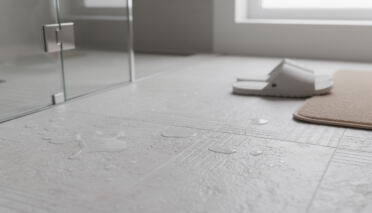
Bamboo has a tighter fiber structure than many woods, and that can help with everyday moisture events: spilled drinks, wet boots, the dog’s water bowl. It’s not a magic waterproof shield, so you still don’t want standing water. But compared with some hardwood options, bamboo can be less fussy in normal humidity swings, especially when you choose a product designed for stability.
On pests, bamboo is often less appealing to insects than softer wood species, and that can reduce reliance on harsher treatments. In sustainability terms, that matters because fewer pesticide-based interventions can make the whole home environment more eco-friendly. It also supports a more comfortable daily reality: you’re not constantly worrying about hidden damage.
The low-maintenance routine that keeps bamboo looking good
Bamboo can be low-maintenance if you treat it like a premium surface rather than a “set it and forget it” utility floor. Maya, our contractor, usually gives clients a simple plan: felt pads on furniture, a doormat that actually traps grit, and a microfiber mop. Most damage comes from abrasive dirt acting like sandpaper over time.
Here’s a practical checklist that’s easy to stick to:
- 🧹 Sweep or vacuum with a soft-floor setting to remove grit before it scratches.
- 🧽 Damp-mop, don’t wet-mop; wring the mop out well to avoid pooled water.
- 🪑 Add felt pads to chairs and tables—cheap fix, huge payoff.
- 👟 Use entry mats to reduce tracked-in sand and winter salt.
- 🐾 Keep pet nails trimmed; it’s the simplest way to prevent surface marks.
Performance is sustainability in disguise: the longer the floor lasts, the less raw material you consume over time. And speaking of materials, the next piece of the puzzle is what goes into making bamboo flooring safe and genuinely green—especially adhesives and finishes.
If you’re curious about strand-woven vs engineered bamboo performance tests, this kind of walkthrough helps:
Eco-friendly manufacturing: low-VOC adhesives, cleaner processing, and what to ask for
Let’s be real: a lot of people choose bamboo because it feels greener, then accidentally buy a version that’s packed with higher-emission glues or questionable finishes. The sustainability sweet spot is bamboo that pairs the plant’s natural advantages with modern manufacturing choices—especially low-VOC adhesives and responsible processing.
Many bamboo floors are made from multiple layers or involve bonding strips together. That means adhesives can influence indoor air quality. VOCs (volatile organic compounds) can off-gas into your living space, especially right after installation. In 2026, consumers are much more aware of this because “healthy home” design has gone mainstream—people track air quality, avoid harsh solvents, and pay attention to what their renovation adds to indoor pollution.
How low-VOC choices connect to everyday comfort
When manufacturers use low-VOC adhesives and cleaner finishes, the benefits are immediate: less odor during installation, fewer irritants in the air, and a generally healthier feel in tightly sealed modern homes. For families with kids, asthma concerns, or pets, this is not a minor detail; it’s the difference between enjoying the upgrade and airing out the house for weeks.
Maya has a simple rule: if the product data sheet doesn’t clearly mention emissions testing or low-emission adhesives, she assumes it’s not optimized for indoor air. That’s not paranoia—just experience.
Sustainable harvesting advances and smarter factories
On the supply side, improved sustainable-harvesting techniques focus on cutting mature culms and preserving root structures to support rapid regrowth. Better operations also manage runoff and soil health to prevent erosion. On the manufacturing side, some facilities are adopting energy-saving dryers, capturing bamboo dust for reuse, and recycling process water. These upgrades don’t just make marketing prettier; they lower the embodied impact of each plank.
What to check before you buy (without turning into a detective)
You don’t need to become a flooring scientist, but you should ask a few direct questions:
- ✅ Is the bamboo sourced with credible sustainability certification (often FSC, where applicable)?
- 🧪 Are the adhesives and finishes labeled low-VOC or compliant with strict indoor emissions standards?
- 📦 Where is it manufactured and shipped from (shorter routes usually help)?
- 🪵 What construction is it (strand-woven, engineered, solid), and what’s the wear layer thickness?
The punchline: bamboo can be a great choice, but the greenest version is the one that’s transparent about how it’s made. Next, let’s get into style and end-of-life—because sustainability also means designing something you won’t want to rip out in a few years.
Design versatility, refinishing, and end-of-life: recyclable and (sometimes) biodegradable realities
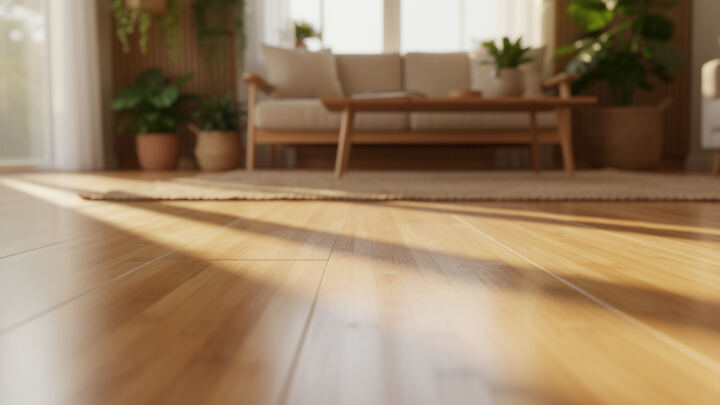
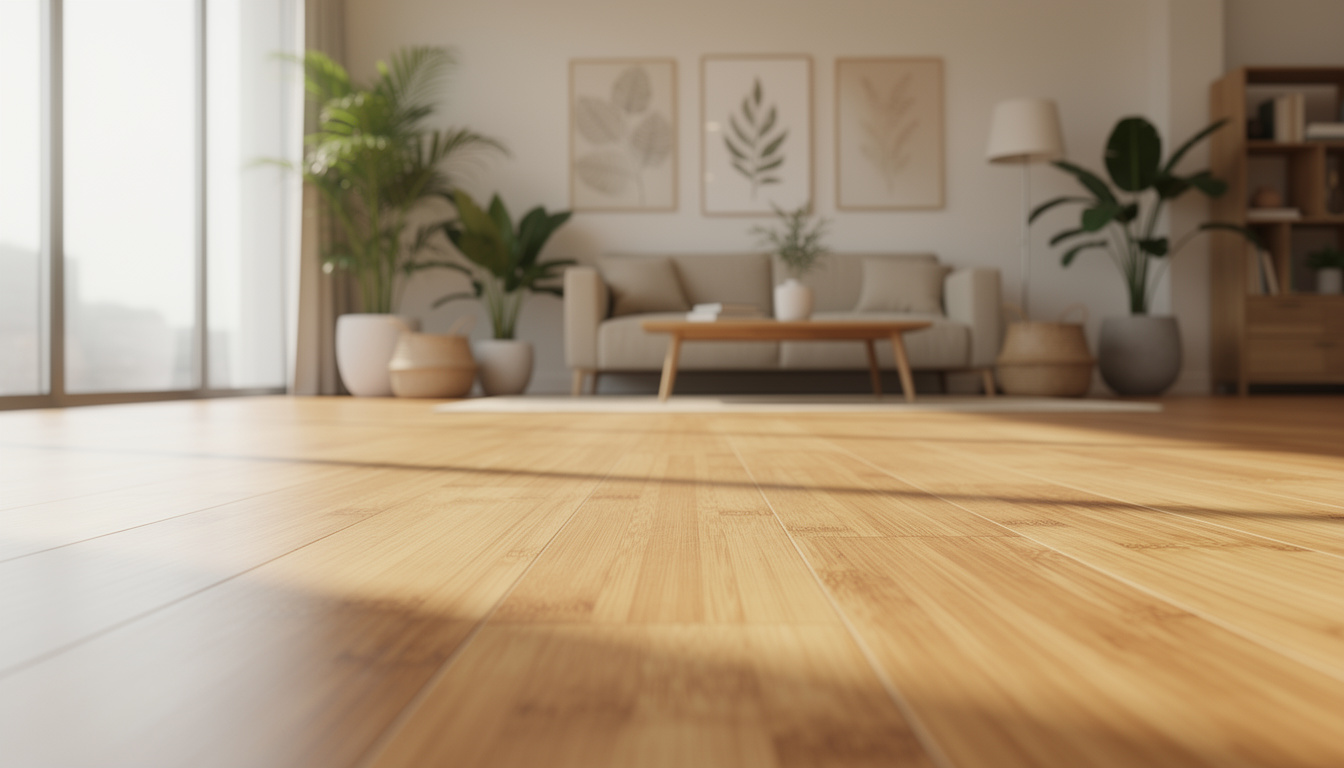
Bamboo flooring has a secret weapon that keeps it in style: it’s ridiculously adaptable. You can find it in clean, pale tones that fit minimalist interiors, warmer caramel shades for mid-century vibes, and darker finishes that look surprisingly luxe under soft lighting. That versatility matters because the most sustainable floor is often the one you keep. If you choose a look you’ll hate in three years, you’re basically planning future waste.
Manufacturers can carbonize bamboo for deeper color tones, adjust surface textures (smooth, hand-scraped, distressed), and offer finishes from matte to glossy. So whether you’re going for “calm Scandinavian apartment” or “busy family home that needs to hide scuffs,” there’s usually a bamboo option that works.
Refinishing flexibility: the underrated sustainability feature
Refinishing is where bamboo can quietly beat a lot of trendy floors. Many floating plastic-based floors are basically done once the wear layer is gone. With certain bamboo products—especially thicker solid or strand-woven planks—you can sand and reseal, erasing years of scratches and dullness. That extends lifespan and reduces replacement demand, which is a direct sustainability win.
Maya had a client who ran a small yoga studio. After a few years of dragged props and constant foot traffic, the floor looked tired. Instead of replacing it, they refinished it over a long weekend, switched to a tougher matte topcoat, and the space looked brand new on Monday. That’s not just aesthetics; it’s resource efficiency.
Recyclable vs biodegradable: what’s true, what’s marketing
People love hearing “biodegradable,” but flooring is complicated. Pure bamboo as a plant material can biodegrade, sure. But flooring planks may include binders, coatings, and adhesives that don’t break down cleanly. The more resin-heavy the product, the less “compostable” it becomes in real conditions.
That said, bamboo can still be more recyclable than some petroleum-based floors, especially when planks can be reclaimed for reuse or processed into composite products. And even if a plank isn’t perfectly biodegradable, keeping it in service for decades through refinishing is often the best environmental move available.
Quality variability: how to avoid the disappointing stuff
Bamboo quality can vary a lot. Floors made from younger bamboo tend to be less stable and less tough than those harvested at full maturity. Manufacturing also matters: drying, pressing, and finishing steps influence how the planks handle seasonal humidity. If you’ve ever seen a floor cup or gap, you already know why this is worth paying attention to.
The final insight: bamboo’s sustainability is strongest when it’s chosen for a look you’ll keep, built for longevity, and matched with realistic expectations about end-of-life options.
Is bamboo flooring really more sustainable than hardwood?
Often yes, mainly because bamboo is a fast-growing, renewable grass that can be harvested in roughly 3–5 years and regenerates from its root system. The sustainability edge is biggest when it’s responsibly sourced (look for credible certification) and manufactured with low-VOC adhesives and finishes.
Does bamboo flooring work for busy households with kids and pets?
It can. Many bamboo floors are durable, and strand-woven bamboo in particular tends to resist dents and wear well. Pair it with a low-maintenance routine—grit control, felt pads, and proper cleaning—and it holds up nicely in high-traffic areas.
Is bamboo flooring waterproof or safe for bathrooms?
Bamboo is usually more moisture-tolerant than some hardwoods, but it’s not truly waterproof. For bathrooms or basements, choose a product specifically rated for moisture (often engineered constructions) and follow the manufacturer’s installation guidance to avoid swelling or warping.
Can bamboo flooring be refinished like wood?
Many types can be refinished, especially thicker solid or strand-woven options. Some engineered products have thinner wear layers and allow fewer sanding cycles. Refinishing is a big sustainability win because it extends the floor’s life instead of sending it to disposal.
How do I make sure my bamboo flooring is low-emission and eco-friendly?
Ask for documentation on low-VOC adhesives/finishes and indoor emissions testing, and prioritize transparent sourcing and sustainable-harvesting practices (certifications like FSC where applicable). Also consider durability and refinishing potential—longevity is a core part of being eco-friendly.