En bref
- 🌬️ Favor hard, smooth, easy-to-clean floors so allergens stay on the surface instead of getting buried.
- 🧹 A truly allergy-friendly home is 50% flooring choice and 50% maintenance routine (HEPA vacuuming, damp mopping, entry mats).
- 🐾 If you have pets, prioritize dust-resistant seams, tight joints, and finishes that won’t trap dander.
- 💧 In kitchens/baths, pick mold-resistant materials (porcelain tile, sealed stone, waterproof vinyl) to stop moisture from becoming a trigger.
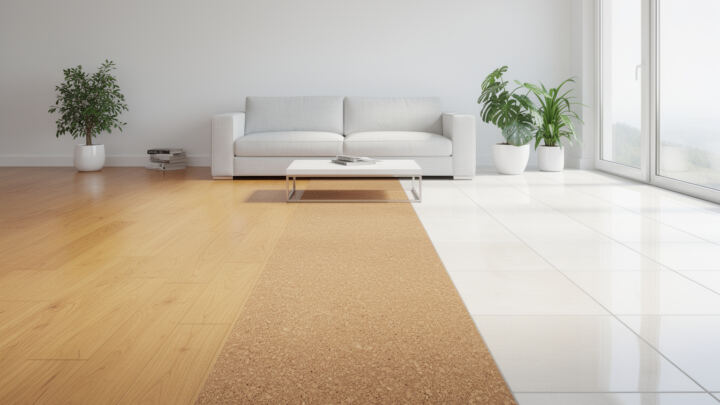
- 🪵 Hardwood, porcelain tile, sealed stone, cork, and linoleum are the usual winners; carpet is the consistent troublemaker.
- ⚠️ Watch indoor air quality: some laminate and glue-down products can raise VOC concerns—installation choices matter.
Allergies can make a home feel like a giant air filter that’s overdue for a change. You can dust the shelves, wash the bedding, and run an air purifier all day, yet still get that itchy-eye, tight-chest “why is this happening in my own living room?” feeling. A lot of the time, the floor is the silent accomplice. Some surfaces are basically allergen storage units—holding onto dust mites, pollen, pet dander, and whatever got tracked in from outside—while others are more like a clean countertop: what lands there can be removed fast. That’s the whole game for a hypoallergenic setup: fewer hiding places, fewer damp zones, and a cleaning routine that actually reaches the problem.
To make this real, let’s follow Maya, a fictional (but very relatable) renter-turned-homeowner who sneezes through spring, reacts to cats, and gets wheezy when humidity spikes. She’s not trying to build a sterile lab—she wants cozy, stylish rooms that don’t punish her sinuses. Over the next sections, we’ll break down what flooring does to your air, which materials are genuinely allergy-friendly, what to avoid, and how to keep even “good” floors from turning into allergen magnets. The aim is simple: build a home where breathing feels boring again.
How Flooring Choices Affect Allergies: Dust, Dander, Moisture, and VOCs
If you’ve ever rolled up an old rug and watched a dust cloud rise like a tiny weather system, you already understand the first rule: floors don’t just sit there looking pretty. They collect, hold, and sometimes even generate irritants. The big indoor triggers usually come from dust mites, pet dander, pollen, and mold spores. Flooring influences all four by deciding whether those particles get trapped deep down or stay exposed where you can remove them.
Take carpet as the classic example. The fibers act like a net, catching tiny particles and feeding dust-mite populations (because mites love the micro-environment created in thick, cozy piles). Even if you vacuum with a great machine, a lot of debris works its way into the padding where it keeps irritating you. In practical terms, Maya notices that her “quick vacuum” still leaves her itchy after movie night on the floor—because the allergens didn’t actually leave the house.
Hard surfaces flip that script. With hardwood, tile, sealed stone, or well-finished cork/linoleum, the stuff that lands on the surface is accessible. You can remove it with a microfiber tool and a HEPA vacuum, then finish with a damp mop that captures what’s left instead of flinging it around. That “stays on top” behavior is why smooth surfaces are so often called hypoallergenic—not because they’re magical, but because they don’t provide shelter.
Why gaps, seams, and underlayment matter more than people think
Here’s the part most shoppers miss: a “good” surface can become a problem if it’s installed poorly. Tiny gaps between planks, unsealed edges, or uneven subfloors create pockets where dust collects and moisture lingers. Maya toured a home where the hardwood looked gorgeous, but the planks had visible spacing near the kitchen—meaning crumbs, pet hair, and fine dust were basically invited to move in.
Installation choices also affect chemicals in the air. Some laminate and glue-down products can release more VOCs depending on the core materials and adhesives. That doesn’t mean laminate is always off-limits, but it does mean you should care about certifications, product specs, and whether you’re using low-emission installation methods. In 2026, it’s normal to see homeowners pair flooring selection with IAQ planning—like choosing click-lock systems, ventilating during installation, and letting materials acclimate before the full “close the windows and live normally” routine resumes.
A quick comparison table to frame the trade-offs
| Flooring type | Allergen trapping risk | Moisture / mold risk | Cleaning vibe | Best for |
|---|---|---|---|---|
| Carpet (high pile) | 🚨 Very high | ⚠️ Medium (depends on spills) | 🧽 Hard to fully deep-clean | People without allergies who want softness |
| Hardwood (sealed) | ✅ Low | ⚠️ Medium (avoid standing water) | 🧹 Easy-to-clean | Living rooms, bedrooms |
| Porcelain tile | ✅ Very low | ✅ Low / mold-resistant | 🧼 Easy (watch grout) | Kitchens, baths, entryways |
| Vinyl (luxury, click-lock) | ✅ Low | ✅ Very low (waterproof) | 🧽 Easy | Busy homes, pets, basements |
| Cork (finished) | ✅ Low | ⚠️ Medium (needs sealing) | 🧹 Easy with the right finish | Bedrooms, offices, comfort zones |
| Linoleum | ✅ Low | ⚠️ Medium-low | 🧽 Easy | Eco-focused, low-chemical households |
The takeaway is pretty simple: if you want fewer flare-ups, you want fewer places for irritants to hide—and fewer damp spots where biology gets involved. Next, let’s get into the “top tier” materials and what makes them work in real homes, not showroom fantasies.
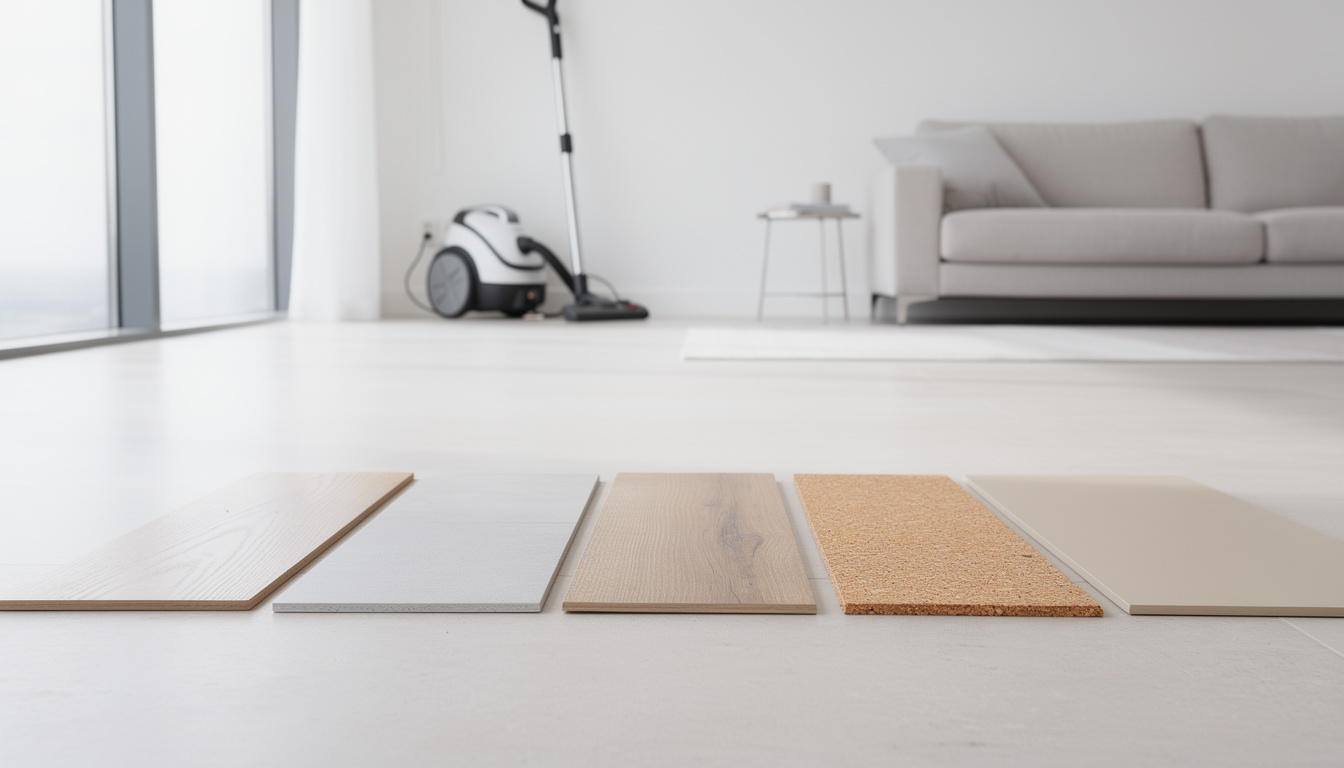
Best Allergy-Friendly Flooring Winners: Hardwood, Porcelain Tile, and Sealed Stone
If Maya had to pick the “safe bets” for an allergy-sensitive household, it would be the classic trio: hardwood, porcelain tile, and properly sealed natural stone. They’re not identical—each has quirks—but they share the winning feature: they’re hard surfaces that don’t give allergens a comfy place to camp out. In day-to-day life, that means less mystery dust, fewer persistent smells, and less time wondering if the floor is the reason your nose is staging a protest.
Sealed hardwood: warm look, fewer hiding places
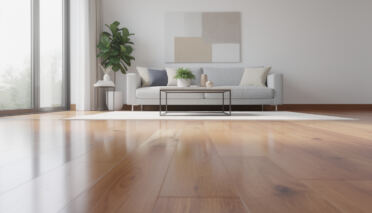
Hardwood stays popular for a reason: it feels cozy without being fuzzy. For allergy sufferers, the big deal is that dust and dander tend to remain on the surface. With a microfiber dry mop, you can grab a shocking amount of fine debris in one pass. Some households with hardwood report noticeably fewer symptoms compared with fully carpeted rooms, and a common benchmark cited in home health discussions is that hard-surface rooms can carry dramatically fewer allergens than carpeted ones—often described around the “half as much” range when conditions are similar.
But hardwood isn’t automatically perfect. The “allergy-friendly” version is well-sealed and kept in good shape. Deep grooves, damaged finish, or wide gaps between planks can turn it into a dust collector. Maya learned this the annoying way: she bought a vintage-looking brushed finish because it was trendy, then realized the texture held onto crumbs and pet hair like Velcro. She swapped to a smoother finish in the bedroom, and cleaning got easier overnight.
Practical routine: daily quick pass with a microfiber tool or HEPA vacuum, weekly damp mop with a gentle cleaner made for wood, and skip steam cleaning (too much moisture can backfire). Put washable mats by doors to catch pollen and street dust before it spreads.
Porcelain tile: the moisture-proof workhorse (with one weak point)
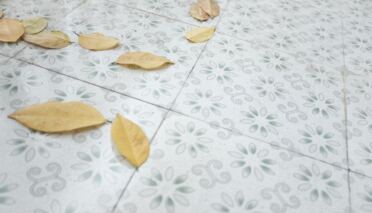
If humidity triggers you, porcelain tile is basically your friend who always shows up prepared. Because it’s denser and less absorbent than ceramic, it’s naturally more mold-resistant and doesn’t let spills seep in. Kitchens, baths, and entryways are where tile shines, especially if you’re tracking in outdoor allergens or dealing with wet shoes.
The weak point is grout. Grout lines can discolor, hold grime, and become a place where funk builds up if neglected. The fix isn’t complicated: choose larger format tiles to reduce grout, seal grout properly, and clean it on a schedule instead of waiting for it to look “gross enough to deserve attention.” If you want a floor that stays dust-resistant, that grout strategy matters.
Natural stone: gorgeous, but seal it like you mean it
Stone floors (think slate, granite, marble) can be excellent for allergies because they’re solid and don’t trap particles the way textiles do. Dense stones like granite and slate are especially good candidates. More porous options, like travertine, can still work—but only if you commit to sealing.
A good rhythm is resealing every 1–3 years depending on the stone and traffic. It’s not just about stains; sealing helps keep microscopic pores from becoming dust-and-moisture storage. Maya’s “dream entryway” was honed slate, and once it was sealed properly, it became her best defense zone: she could mop up rainy-day mess without worrying that dampness would linger and feed mold.
These hard-surface winners set a strong baseline. Next up: modern alternatives that look like the classics, cost less (sometimes), and can still be genuinely hypoallergenic when chosen carefully.
Want a quick visual run-through of materials and installs before you shop? This is the kind of overview video that helps you spot red flags (like bad seams, bad adhesives, and “looks nice, cleans terribly” textures).
Modern Hypoallergenic Alternatives: Luxury Vinyl, Linoleum, Cork, and Bamboo (Plus Laminate Caveats)
Not everyone wants (or can budget for) hardwood or stone everywhere. The good news is you can still build an allergy-friendly home with materials that are more forgiving on price, faster to install, and tough enough for kids, pets, or messy cooking habits. This is where vinyl, linoleum, cork, and bamboo come in—plus a realistic conversation about laminate, which sits in a “depends how you do it” category.
Luxury vinyl: waterproof, practical, and surprisingly clean-feeling
Luxury vinyl flooring (often LVP/LVT) wins points because it’s a smooth surface that doesn’t let allergens sink in, and many lines are fully waterproof. That waterproof factor matters more than people expect: moisture under flooring can lead to hidden mold issues that keep symptoms going even when your house “looks clean.” For Maya’s basement office, vinyl was the stress-free pick because she didn’t have to panic about a dehumidifier hiccup or a drink spill during a deadline.
The allergy-sensitive detail: prefer click-lock installations over glue-down when possible, because adhesives can contribute to odor and VOC concerns. Also, insist on careful edge finishing and a flat subfloor so you don’t end up with tiny gaps that collect grime. A well-installed vinyl floor is about as easy-to-clean as it gets: vacuum with a soft attachment, then damp mop.
Linoleum: old-school in a good way
Linoleum gets confused with vinyl all the time, but for allergy households it can be a different experience. Real linoleum is made from natural inputs (like linseed oil and resins), and it’s known for being less prone to long-term chemical off-gassing compared with some synthetic options. It also has a reputation for being naturally unfriendly to certain microbes, which is helpful if you’re trying to keep a cleaner baseline indoors.
In a small kitchen, linoleum can feel like the sweet spot: softer underfoot than tile, simpler to maintain than grout-heavy layouts, and still a hard surface that stays dust-resistant with regular cleaning. The style options in 2026 are also way better than the “school hallway” vibe people remember.
Cork: comfy underfoot, naturally antimicrobial (when finished right)
Cork is the curveball that a lot of allergy sufferers end up loving. It contains suberin, a natural compound that helps repel certain microbes and makes the surface less welcoming for dust mites and mold. That doesn’t mean cork never needs cleaning—it does—but it can be a smart choice for bedrooms and offices where you want warmth without carpet.
Durability depends heavily on quality and finish. A strong factory finish and a sensible maintenance schedule (reseal every few years in busy areas) keep cork performing. Maya put cork in her bedroom and noticed the room felt quieter and less “stuffy,” mostly because it was easier to keep dust under control than it had been with a rug-heavy setup.
Bamboo and laminate: two lookalikes with different allergy realities
Bamboo can be a solid option because it’s typically a hard surface similar in day-to-day cleaning to wood. The key is choosing a product with a durable, smooth finish and low-emission components. Like hardwood, it’s only as clean as its seams and finish quality.
Laminate, on the other hand, deserves a careful read of the label. Some laminate products can be great for an allergy routine because they’re smooth and quick to clean, but others may contribute to indoor air concerns if the core and resins aren’t low-emission. If you go laminate, prioritize certified low-VOC options, avoid “mystery brand” deals, and ventilate aggressively during and after installation. Clean-living doesn’t have to mean fragile-living, but it does mean paying attention.
Next, let’s talk about what to avoid (yes, carpet), and the realistic compromises if you love that soft feeling under your feet.
If you want a practical cleaning-and-maintenance angle (not just product hype), this kind of video is useful before you commit to a material.
Flooring to Avoid (and Smart Compromises): Carpet, Low-Pile Carpet Tiles, and Rug Strategy
Let’s not sugarcoat it: wall-to-wall carpet is usually the toughest flooring for allergy sufferers. It’s not that carpet is “dirty” by definition—it’s that it’s engineered like a trap. Fibers catch and hold dust, pollen, and dander, and the padding underneath becomes a long-term storage layer. People often describe carpeted spaces as holding vastly more allergens than hard flooring, and the common rule of thumb is dramatic: it can be dozens of times higher, and in worst-case conversations it’s framed as up to “around 100x” compared with smooth surfaces. Whether your home hits that exact number depends on pets, humidity, cleaning habits, and foot traffic, but the lived experience is consistent: carpet makes it harder to get to zero.
Why vacuuming isn’t the full solution (even with a fancy machine)
A HEPA vacuum helps—a lot. But vacuuming a carpet is like trying to remove sand from a sponge. You’ll get the surface layer, yet the deeper particles hang on. Add normal life (kids, pets, cooking, open windows), and the carpet keeps reloading. Maya had a plush carpet in her first apartment and felt like she was cleaning constantly without getting relief. The moment she switched to hard flooring with washable rugs, her cleaning time dropped and her symptoms calmed down.
If you can’t give up softness: better options that won’t sabotage you
Sometimes you want a warm play area or you live somewhere cold. In that case, the compromise isn’t “keep the same carpet and hope.” It’s to choose soft surfaces that you can actually clean thoroughly.
- 🧩 Low-pile carpet tiles: easier to replace one contaminated section than to deep-clean an entire room.
- 🧼 Washable area rugs: pick sizes that fit your washing machine or that a service can clean regularly.
- 🌿 Natural fiber rugs (cotton, some wool): they can still hold allergens, but routine washing is more realistic than with wall-to-wall carpet.
- 🚪 Entry mats you can toss in the wash: these quietly reduce pollen and street dust moving deeper into the house.
- 👟 No-shoes policy: not glamorous, but it works—outdoor allergens often enter on soles.
The goal is control. If the soft layer is removable and washable, you’re not stuck with a giant allergen reservoir. If it’s glued down across the whole house, you are.
Room-by-room strategy (so you don’t overbuild or overspend)
A practical approach is to use hard surfaces in the rooms where allergy triggers tend to spike: bedrooms (you spend hours breathing there), living rooms (pets, lounging), entryways (tracked-in pollen), and any moisture-prone spaces. If you want a soft zone, make it a managed zone—like a single washable rug in a seating area—rather than a full-home carpet commitment.
This is where the conversation naturally turns to upkeep. Even the best materials can underperform if you clean them the wrong way or let humidity creep up. So next, let’s talk maintenance routines that actually keep floors hypoallergenic instead of just “hard.”
Keeping Floors Hypoallergenic in Real Life: Cleaning Routines, Tools, and Installation Details That Pay Off
Buying an allergy-friendly floor is like buying a gym membership: the result comes from what you do after you pay. The good news is that hard surfaces make cleaning faster and more effective, so the routine is usually easier than caring for carpet. The trick is consistency and using the right tools so you’re removing allergens, not redistributing them.
The simple routine Maya follows (and why it works)
Maya’s baseline plan is boring on purpose. Most days she does a fast pass with a microfiber dry mop or a HEPA vacuum on hard flooring. The goal isn’t perfection; it’s preventing fine particles from building up and going airborne every time someone walks through the room.
Once a week, she damp-mops with a gentle cleaner matched to the material. Damp is key: soaking wet can push water into seams, especially with hardwood, cork, and some bamboo products. And steam cleaning? It’s tempting, but it can create moisture problems (and in the wrong situation, that’s basically inviting mold to audition for a recurring role).
Tools that make a measurable difference
- 🧲 Microfiber mop heads: they grab fine dust better than many traditional brooms.
- 🌪️ HEPA-filter vacuum: reduces the “vacuumed but now I’m sneezing” effect by trapping fine particles.
- 🧴 Low-odor cleaners: especially helpful for people sensitive to fragrances or chemical fumes.
- 💨 Dehumidifier (for damp climates or basements): supports mold-resistant goals across any flooring type.
Notice what’s missing: heavily scented cleaners and oily polishes. Those can leave residues that attract dust, turning an easy-to-clean surface into a sticky one over time.
Installation and finishing touches that keep allergens out
Clean floors aren’t just about the top layer. If allergens collect in cracks or under transitions, you’ll keep “cleaning” without relief. This is why details matter:
- 🔧 Choose tight-locking systems and good underlayment to reduce micro-gaps.
- 🧰 Seal transitions and edges where appropriate (especially near kitchens and entries).
- 🧱 Level the subfloor so planks don’t flex and open seams over time.
- 🌿 For vinyl and laminate, prefer low-emission products and avoid unnecessary adhesives when possible.
One more underrated move: plan your “dirty zone.” Maya keeps a small bench and a washable mat by the door. Shoes come off, socks go on, and allergens don’t get a free ride into the bedroom. It’s not fancy, but it’s effective.
When you combine smart materials with smart habits, the floor stops being an allergen trap and starts being part of the solution—exactly where a hypoallergenic home needs it.
What’s the single best flooring type for severe allergies?
For many severe allergy sufferers, a hard, non-porous surface is the most reliable choice—think sealed hardwood, porcelain tile, or properly sealed stone. These options keep allergens on the surface so they’re easier to remove with HEPA vacuuming and damp mopping.
Is laminate flooring allergy-friendly or should I avoid it?
Laminate can be allergy-friendly in day-to-day cleaning because it’s smooth and quick to wipe down, but pay attention to indoor air quality. Choose certified low-emission products, ventilate during installation, and avoid high-VOC adhesives. Done right, it can work; done cheaply, it can irritate sensitive households.
What’s better for allergies: vinyl or linoleum?
Both can be easy-to-clean, but they’re different materials. Luxury vinyl is often waterproof and very practical for moisture-prone areas, while true linoleum is made from natural ingredients and is often preferred by people trying to minimize long-term chemical off-gassing. Your best pick depends on moisture risk versus chemical sensitivity.
Can I keep any carpet if I have allergies?
If you want softness, avoid wall-to-wall plush carpet and consider low-pile carpet tiles or washable area rugs instead. The key is removability and cleanability—being able to wash or replace sections prevents the floor from becoming a long-term allergen reservoir.
How do I make hardwood more dust-resistant?
Keep hardwood well-sealed, clean with a microfiber mop or HEPA vacuum frequently, and damp-mop weekly with a wood-safe cleaner. Also use washable entry mats and a no-shoes policy to reduce pollen and outdoor dust entering the home.