Flooring is one of those home renovation moves that feels “cosmetic” until you watch how people react the second they walk inside. The right surface underfoot can make a place feel cleaner, brighter, more current, and honestly… more expensive. The wrong one can make even a freshly painted home feel tired. In today’s market, buyers scroll listings fast and decide faster, so the floor becomes a silent salesperson: it signals whether a property has been cared for, whether it’s move-in ready, and whether it’ll be a headache six months from now. That’s why new flooring shows up again and again as a high-impact property improvement—often with a strong investment return when the material choice fits the house and the neighborhood.
What makes this topic tricky is that “best” flooring isn’t universal. A downtown condo doesn’t get the same boost from plush carpet that a family home might, and a beach-town listing has very different needs than a snowy mountain cabin. Add in lifestyle stuff—kids, pets, allergies, high-traffic hallways—and you’ve got a decision that’s part interior design, part practicality, part real estate value strategy. Let’s break it down in a way that actually helps you choose, budget, and execute a flooring installation that pushes home value in the right direction.
En bref
- 📈 New flooring can lift home value by roughly 2% to 5% depending on flooring materials, fit, and install quality.
- 🪵 Hardwood and engineered wood tend to bring the strongest real estate value signal and often recover a large portion of cost at resale.
- 💦 Kitchens, baths, and entries usually win with tile or LVP because water resistance matters to buyers.
- 🧼 Smooth surfaces help with allergies; carpet boosts warmth and quiet—use it strategically, not everywhere.
- 🎯 Consistent flooring through main living zones can increase curb appeal indirectly by making photos and walkthroughs feel more “premium.”
- 🛠️ The fastest way to lose value is sloppy flooring installation; pros and good prep protect your investment return.
How New Flooring Increases Home Value: The Buyer Psychology Behind the Upgrade
Let’s talk about what really happens when someone tours a house. Buyers don’t walk in thinking, “I’d like a 3% bump in appraisal tied to flooring.” They walk in and feel. If the floors are scratched, stained, mismatched, or loudly outdated, their brain starts writing a to-do list—and every line item subtracts from what they’re willing to pay. New flooring flips that script. It quietly says, “This home is maintained,” which is a big deal for perceived real estate value.
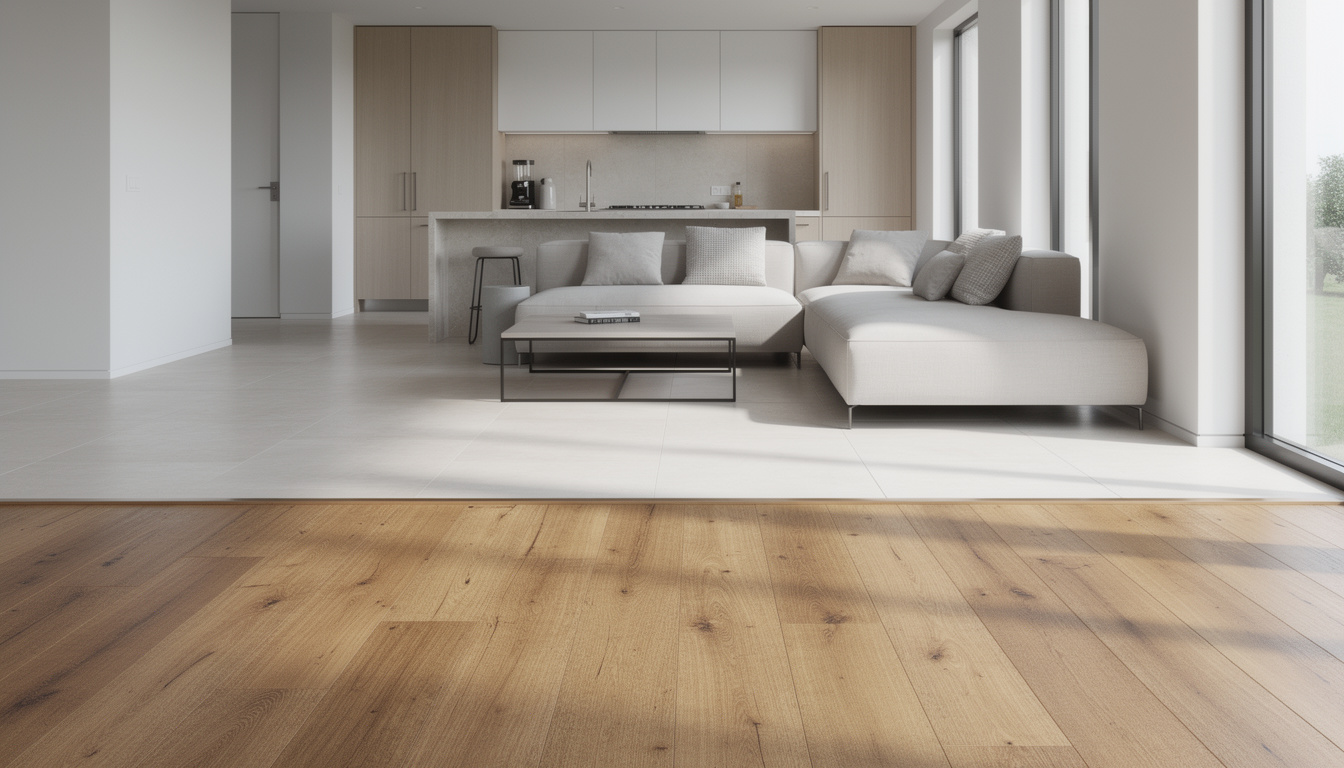
There’s also a photo effect. A listing can have great light and nice furniture, but worn floors look rough on camera. Fresh surfaces—especially in neutral tones—make rooms appear larger, cleaner, and more cohesive. That cohesion is a sneaky form of interior design magic: fewer visual breaks means the space reads “open.” And yes, that can help increase curb appeal in a modern way, because for many buyers the first curb is your online listing, not your driveway.
On the money side, the general range you’ll hear (and see reflected in real-world sales) is that new flooring can raise home value by about 2% to 5%, depending on what you install and how well it matches the home. Hardwood often lands near the top of that range, especially when it’s consistent across primary living areas. That doesn’t mean other products are “bad”—it means the market rewards choices that look durable, timeless, and easy to live with.
Why “move-in ready” pays (and how floors create it)
Move-in ready is basically a promise: no surprise projects, no immediate mess, no contractor circus. Floors are one of the most disruptive upgrades to do after moving in, so buyers love when it’s already handled. That’s why a smart flooring-focused property improvement can outperform flashier projects that look good but don’t reduce buyer friction.
Here’s a quick story to make it real. Imagine Maya and Jordan, a couple touring two similar homes in the same school district. House A has decent paint but a patchwork of flooring—tile in the living room, old laminate in the hallway, worn carpet in the bedrooms. House B has consistent wide-plank engineered wood through the main floor and clean, modern porcelain in the bathrooms. Even if House B is priced higher, it “feels” like less work. In competitive markets, that feeling turns into stronger offers and fewer repair concessions.
Hidden benefits buyers actually care about
Flooring isn’t just an aesthetic play. Buyers also read it as a lifestyle feature. Smooth floors (wood, tile, LVP, laminate) are easier to clean, which matters for pet owners and busy families. Carpet can make rooms warmer and quieter, which matters in cold climates or multi-level homes. And for allergy-prone households, hard surfaces are a big plus because they don’t trap dust and dander the way carpet fibers can.
Insight to keep: New flooring doesn’t just upgrade a surface—it upgrades buyer confidence, and confidence is where pricing power comes from.
Best Flooring Materials to Boost Real Estate Value (Without Overbuilding)
Choosing flooring materials is where a lot of homeowners either win big or accidentally overspend. The goal isn’t to install the fanciest surface on the planet; it’s to pick the product that buyers in your price band expect—and will pay extra for. Overbuilding is real: putting $70-per-square-foot stone into a mid-market home can look gorgeous and still fail to deliver the investment return you want.
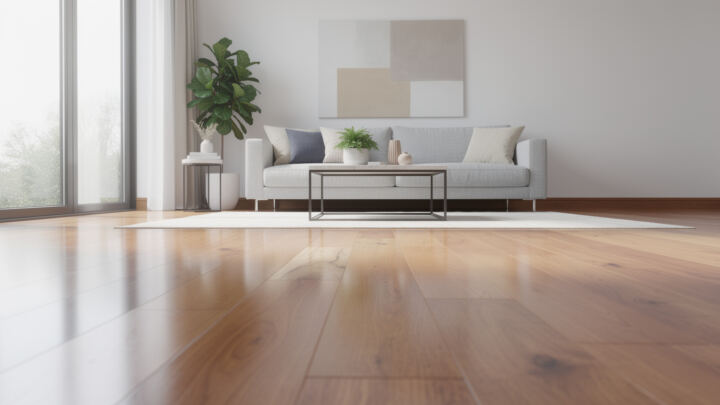
Hardwood remains the headline act because it’s timeless and broadly desired. In many markets, hardwood floors can lift resale value by roughly 2.5% to 5% and may support a higher selling price when used consistently in main living spaces. Cost ranges vary wildly, but a common baseline is about $3 to $10 per square foot just for material in many U.S. contexts, with installation and prep adding more. The “why” behind the value is simple: hardwood communicates durability and quality, and it can often be refinished rather than replaced.
Engineered hardwood deserves its own spotlight. It gives you a real wood top layer over a stable core, making it more resistant to moisture and temperature swings than solid wood in tricky spots (like over concrete slabs). Pricing can start around $2.50 per square foot for materials, and a well-cared-for floor can stay attractive for decades. Buyers typically don’t penalize engineered wood when it looks authentic and is installed well—especially in homes where solid wood would be risky.
Tile, LVP, and laminate: the practical value drivers
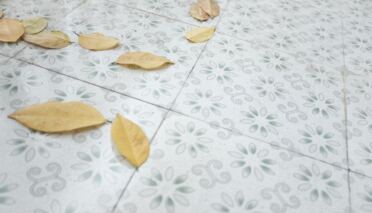
Tile is the workhorse for bathrooms, kitchens, laundry rooms, and entries. Porcelain in particular is known for toughness and water resistance, with material pricing often starting around $6 per square foot. It’s also a design chameleon now: digital printing lets porcelain mimic wood, stone, and concrete looks without the maintenance drama. Tile may not “outvalue” hardwood in living rooms, but in wet zones it can absolutely protect value by preventing moisture problems and looking intentional.
Luxury vinyl plank (LVP) is the modern crowd-pleaser when you need durability and water resistance on a budget. Material costs can start around $1 per square foot depending on quality. Buyers like that it’s low maintenance and kid/pet friendly. It doesn’t carry the prestige of wood, but it can still be a strong home renovation move because it upgrades the look fast while reducing future upkeep.
Laminate is the budget-friendly visual upgrade: it can mimic wood or stone and resists scratches well. It usually won’t add as much home value as real wood, but it can be a smart choice for rentals, vacation homes, or properties where keeping costs controlled is part of the value strategy.
Natural stone and specialty floors: luxury, but choose wisely
Stone floors—marble, granite, travertine, limestone—can be stunning in the right home. They’re also expensive and often require sealing and thoughtful maintenance. For example, marble and granite materials frequently start around $18 per square foot, while travertine can start much higher (often around $25 per square foot). Limestone is sometimes more approachable, around $3 to $10 per square foot. These can deliver a meaningful premium in high-end markets, but they’re best when the rest of the property supports that luxury story.
Bamboo is the eco-friendly wildcard buyers increasingly appreciate. It’s fast-growing (matures in about five years) and can be strong and moisture-tolerant. Pricing often averages around $2.25 per square foot for materials, making it competitive with some wood alternatives while supporting a sustainability narrative that resonates in many 2026-era buyer conversations.
| Flooring type | Typical best rooms | Value impact signal | Cost feel (materials) |
|---|---|---|---|
| 🪵 Solid hardwood | Living, dining, halls | Strong “premium home” vibe for real estate value | 💰 $3–$10+/sq ft |
| 🌲 Engineered hardwood | Main areas, condos, slab homes | High-end look + stability (good buyer confidence) | 💰 $2.50+/sq ft |
| 🧱 Porcelain tile | Baths, kitchen, entry | Durability + water resistance (protects value) ✅ | 💰 $6+/sq ft |
| 💧 LVP | Anywhere, especially busy homes | Practical “low-maintenance” appeal | 💰 $1+/sq ft |
| 🌿 Bamboo | Living areas, bedrooms | Sustainability angle + modern look | 💰 ~$2.25/sq ft |
Insight to keep: The “best” flooring is the one that matches your home’s price tier and your buyer pool—beauty plus practicality beats luxury-for-luxury’s-sake.
If you’ve picked the material, the next make-or-break piece is how you install it and present it as a clean, coherent upgrade.
Flooring Installation That Protects Investment Return: Prep, Patterns, and Pro-Level Details
You can buy the nicest product on the shelf and still lose value if the flooring installation screams “weekend project gone wrong.” Buyers notice gaps, uneven transitions, hollow spots, and weird height changes between rooms. Even if they can’t name the issue, they feel it—and that feeling usually turns into negotiation.
Think of installation as the difference between “new flooring” and “new flooring done right.” Done right means your upgrade becomes a durable, low-drama feature that supports home value. Done wrong means it becomes a future repair and a reason to discount your property.
Subfloor prep: the boring step that makes the project
Subfloor prep is not sexy, but it’s everything. Leveling, addressing squeaks, moisture testing (especially on concrete), and using the correct underlayment can determine whether your floors look great for 10 years or start failing in 12 months. Engineered wood and LVP are more forgiving than solid wood, but they still need a stable base.
Here’s where Maya and Jordan come back. They toured a home where the LVP looked great in photos, but in person it had soft spots and click-joints that separated near a sunny sliding door. The seller said, “It’s brand new!” That didn’t help; it made the buyers wonder what else was rushed. They passed. That’s how install quality becomes a real property improvement or a real problem.
Transitions, consistency, and that “designer” flow
If you want the space to feel higher-end, reduce transitions in main living zones. Consistent flooring through living room, dining, and hallways can make the home feel larger and more intentional—an interior design win that’s also a pricing win. When transitions are necessary (like from wood to tile), use clean, minimal profiles and align heights so it doesn’t feel like a DIY patchwork.
Pattern choices matter too. Wide planks can read modern and upscale, while narrow strips lean traditional. Herringbone can look incredible, but only if it fits the home’s style and the workmanship is perfect. If you’re not in a high-end market, a subtle, classic plank layout often delivers a better investment return than a complicated pattern that risks polarizing buyers.
Room-by-room strategy that buyers understand instantly
Buyers like logic. Give them flooring that “makes sense”:
- 🚪 Entryways: tile or LVP for wet shoes and grit.
- 🍳 Kitchens: porcelain tile or LVP for spills and chair scuffs.
- 🛁 Bathrooms: tile (or truly waterproof options) so it feels safe, not risky.
- 🛋️ Living areas: hardwood or engineered wood for that premium anchor.
- 🛏️ Bedrooms: wood for resale, or neutral carpet if comfort is a local expectation.
And yes, keep extra materials. A small box of spare planks or tiles is a practical gift to the next owner and a subtle signal that you did the project thoughtfully.
Insight to keep: Installation quality is part of your home’s story—tight details translate into higher trust, and higher trust supports stronger offers.
Now that the floors are going to be installed correctly, the next step is choosing where to spend first so your budget does the most work.
Smart Budgeting for Home Renovation: Where New Flooring Pays Off the Most
Budgeting a home renovation is basically a game of leverage: where does one dollar create the biggest shift in perceived quality and home value? Flooring is high leverage, but you still want to aim it at the rooms that drive decision-making. Buyers don’t weigh every square foot equally. They remember the entry, the main living space, the kitchen, and the primary bath. That’s where flooring can change the entire tone of a showing.
A helpful way to think about it: you’re not just buying materials, you’re buying fewer objections. If your main floor reads as modern, durable, and cohesive, buyers stop mentally budgeting for immediate fixes. That’s when your real estate value rises because the property feels “done.”
Prioritize high-traffic zones first
High-traffic areas are where old floors look the worst and where new floors feel the most impressive. Hallways with worn paths, entries with chipped tile, kitchens with peeling corners—those are buyer red flags. Swap those surfaces first, even if bedrooms happen later. Durable choices like porcelain tile, LVP, or well-finished wood tend to perform best here because they resist scratches and clean easily.
In practical terms, if you only have the budget for one major flooring phase, make it the areas that appear in listing photos: living room, kitchen sightlines, and main hallway. That alone can upgrade your listing presence and help increase curb appeal digitally.
Use “value matching” so you don’t overpay for the neighborhood
Here’s the trap: falling in love with luxury stone because it looks amazing online. Marble, granite, and travertine can be knockout choices, but they’re best when the rest of the home supports them—updated lighting, good cabinetry, solid fixtures, and a buyer pool that expects premium finishes.
For many homes, a porcelain tile that convincingly mimics stone gives you the look with less cost and less maintenance. That’s a classic example of maximizing investment return: you’re paying for the perception and the durability, not just the name of the material.
Energy comfort and health: small angles that still sell
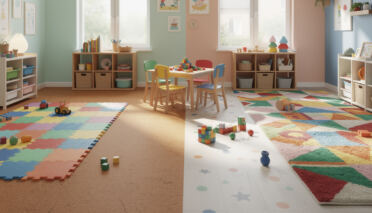
Carpet doesn’t usually win the resale-value trophy, but it can be the right call in cold climates where warmth matters. It can also reduce noise in multi-story homes, which buyers absolutely notice during showings. The key is using it intentionally and keeping it neutral and fresh.
On the flip side, if your target buyer is likely to have pets or allergies, hard surfaces can become a selling point. Buyers with sensitivities will see hardwood, tile, or LVP as a lifestyle upgrade, not just a cosmetic change.
Insight to keep: Spend where buyers decide—main living visuals, wet rooms, and traffic corridors—then fill in the rest with consistent, practical choices.
With budget priorities clear, let’s get tactical about design choices that make buyers say “wow” without making your home feel weirdly specific.
Interior Design Moves That Increase Curb Appeal Indoors: Color, Continuity, and Timeless Style
When people hear increase curb appeal, they think landscaping and paint. But flooring affects curb appeal from the inside out: it shapes the vibe the instant someone crosses the threshold. And because flooring covers so much visual real estate, small design decisions—tone, plank width, finish sheen—can either elevate the whole home or lock it into a dated era.
The most reliable strategy is simple: keep it timeless, keep it cohesive, and keep it easy to imagine living with. That’s not boring; that’s what sells. Trendy floors can be fun when it’s your forever home, but if your goal is home value, you want broad appeal.
Neutral doesn’t mean bland—use undertones on purpose
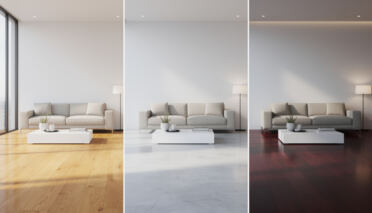
Neutral floors work because they don’t fight with cabinets, paint, or furniture. But “neutral” has undertones, and undertones are where the magic (or disaster) happens. A gray floor with blue undertones can clash with warm cream walls. A yellow honey oak can make bright white paint look dingy. The fix is to test samples in the actual room at different times of day. Morning light and evening light can make the same plank look like two different products.
If you’re staging to sell, mid-tone natural wood colors are often the safest bet. They hide dust better than dark espresso tones, and they look richer than very pale washes in homes that don’t have tons of natural light.
Continuity: the “expensive” look that doesn’t require expensive materials
One of the best interior design tricks for perceived value is continuity. When your main areas share the same flooring (or at least the same tone family), the home feels calmer and larger. Buyers walk through without visual interruptions, which makes the layout feel more open—even if the square footage doesn’t change.
This is also where LVP and engineered wood can be huge: they let you run a consistent look into areas that would be risky for solid hardwood. You can keep the vibe continuous while still being practical in moisture-prone zones.
Match flooring to architecture (so it feels “right”)
Flooring should fit the house. A rustic farmhouse loves a wider plank with visible grain character. A mid-century home often looks best with warm, clean wood tones and simpler layouts. A modern condo can handle large-format tile or sleek concrete looks. When flooring matches architecture, buyers feel like the home has a point of view—without feeling like they’re buying someone else’s taste.
And if you’re thinking eco-friendly: bamboo and reclaimed wood can add story and character. Reclaimed wood, in particular, brings visible history—knots, nail holes, saw marks—that can be a selling feature for the right buyer. It can cost more (often starting around $10 per square foot for materials), but it also creates a “one-of-one” feel that some markets pay extra for.
Insight to keep: Floors that feel timeless and architecturally “correct” make buyers stop noticing the flooring—and start noticing how good the whole home feels.
How much can new flooring increase home value?
In many markets, new flooring can lift home value roughly 2% to 5%, depending on the material, the home’s price tier, and install quality. Hardwood and well-chosen tile in key rooms often support the strongest real estate value signals.
Which flooring materials usually deliver the best investment return?
Hardwood (solid or quality engineered) is often the strongest for broad resale appeal, while porcelain tile performs especially well in kitchens, baths, and entries. LVP can be a great value-driven property improvement because it looks current, resists water, and is easy to maintain.
Should I replace flooring in every room before listing my home?
Not always. Prioritize what buyers see and feel first: entry, main living areas, visible hallways, kitchen sightlines, and main bathrooms. Bedrooms can be updated later if budgets are tight, as long as transitions and overall continuity still look intentional.
Is professional flooring installation worth it?
Usually, yes. Professional flooring installation helps prevent gaps, uneven seams, squeaks, and moisture-related failures. Clean transitions and proper subfloor prep protect your investment return and reduce buyer objections during inspections.
What’s the safest flooring style choice for resale?
Neutral, timeless looks that fit the home’s architecture: natural wood tones, matte to satin finishes, and consistent flooring through main living zones. These choices support interior design flexibility, photograph well, and appeal to the widest buyer pool.